
PVC Fencing: Pros, Cons, Maintenance Tips, and Whether It’s Right for Your Property
Considering pvc fencing for your Tampa Bay property? PVC resists rot and termites better than wood, but high UV, salt air, and hurricane-force winds change the trade-offs you need to weigh. This guide gives the real pros and cons, practical maintenance steps, realistic cost and lifespan expectations, and a short decision checklist to help you decide whether pvc fence panels are the right fit and when to call a local installer.
1. How PVC fencing performs in Tampa Bay and PVC fence types to consider
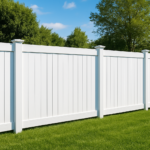
Quick point: pvc fencing is not a single product — performance in Tampa Bay comes down to profile, hardware, and installation rather than the material name alone. Coastal UV, humidity, and wind turn what looks like a simple white pvc fence into an engineered assembly that either lasts or becomes a recurring problem.
Profiles and how they change outcomes
Solid versus hollow versus composite: Solid (full-profile) vinyl panels are heavier and stiffer, so they resist bowing and need fewer internal reinforcements. Hollow profile vinyl is cheaper and lighter but requires metal reinforcements in rails and stronger posts to survive high wind loads. Polymer composite panels, like those from SimTek, trade higher upfront cost for noise reduction and a textured look, but UV-stability varies by manufacturer.
- Privacy (solid panels): best for backyard privacy and meeting pool barrier aesthetics when paired with engineered posts.
- Picket and ranch rail: lower cost, decorative; choose heavier sections or reinforced rails where wind is a concern.
- Semi-privacy with lattice top: common HOA-friendly option; lattice can be a weak point in high winds unless reinforced.
Practical tradeoff: hollow pvc fence panels cut material cost but shift failure risk into the support system – posts, footings, and fasteners become the weak link. In Tampa, that usually means spending more on deeper concrete footings and stainless hardware, which erases some of the initial savings.
Manufacturer signals to watch: look for UV stabilization language, ASA capstock or equivalent, and references to ASTM standards on data sheets. Warranties are useful but read exclusions – many cover cracking but exclude color change or damage from improper installation. Use product lines from CertainTeed or Bufftech as benchmarks for established testing and published wind ratings.
Concrete example: a rental property in South Tampa replacing a rotted wood fence switched to a solid vinyl privacy system with 42 inch concrete-encased posts and 316 stainless fasteners. That installation eliminated termite and rot repairs over three years and reduced tenant service calls, but required a higher upfront investment and a permit handled by a licensed installer. The tradeoff was predictable performance and fewer emergency repairs.
Common misread: people assume a white pvc fence is maintenance-free and interchangeable between styles. In practice, a white pvc picket from one manufacturer may tolerate coastal exposure poorly without UV additives, while a different system with engineered posts will hold up for decades. Choose by design specifications and wind rating, not color or showroom appearance.
If you plan to install near the coast, insist on stainless or hot-dip galvanized hardware and a vendor that provides wind-rated details. See guidance from the Vinyl Fence Institute and local code at the Florida Building Code.
Next consideration: before choosing a style, have a contractor evaluate wind exposure, soil type, and HOA rules – those factors determine whether a given pvc fence panel will survive or need early replacement.
2. Advantages of PVC fencing with real examples
Direct point: pvc fencing reliably removes rot and termite repairs from the maintenance ledger when the installation is specified for coastal Florida conditions. Unlike wood, the plastic profiles do not absorb moisture or provide food for insects, so routine structural replacements are dramatically reduced — but that benefit depends on proper post embedment and corrosion-resistant hardware.
Where PVC outperforms alternatives in everyday use
Low routine upkeep: Vinyl fence panels clean with soap, water, and a brush; you do not sand or repaint. In practice that saves recurring labor and service calls for rental properties and HOAs, which is why managers often choose pvc privacy fence systems for multi-unit backyards and pool enclosures.
Consistent appearance and predictable sizing: Manufacturers such as CertainTeed and Bufftech offer color-matched rails and gates so replacements look uniform. That matters in neighborhoods where curb appeal or HOA approval is strict — a white pvc fence that stays white for years avoids patchwork touch-ups common with painted wood.
Durability under moisture and salt exposure: PVC does not rot and is impervious to termites, so coastal properties avoid the frequent board replacements wood requires. Practical caveat: you still need stainless or hot-dip galvanized fasteners and regular inspections because metal connectors are the usual failure point in salt air.
Safety and privacy advantages: Solid PVC panels make effective visual and physical barriers for pools and pets, and rigid systems are simpler to configure with self-closing gates and code-height latches. For pool projects, ask for products and installation details that meet local barrier requirements in the Florida Building Code.
Lifecycle trade-off: Upfront pvc fence cost is higher than basic wood picket in many cases, but lower lifecycle maintenance often produces lower total cost of ownership across 10 to 20 years. That equation flips if you choose cheap hollow profiles and skimp on reinforced posts — the apparent savings disappear once wind or impact damage occurs.
Concrete example: A Clearwater property manager replaced aging wood back fences with a mix of white pvc privacy panels and vinyl ranch rail fencing from a recognized manufacturer, using 36 to 48 inch concrete-encased posts and 316 stainless hardware on gates. Over three years and two significant storms the PVC sections required only surface cleaning; nearby wood runs needed multiple board and post replacements. The higher initial invoice was offset by reduced contractor calls and fewer tenant complaints.
Judgment you should use: When evaluating quotes, prioritize system specifications over showroom appearance. Ask for published wind ratings, UV-stabilization details (look for ASA cap or similar), and hardware material. Vendors that quote a price without these details are selling looks, not performance.
Highlight: For Tampa Bay properties, the single biggest factor that turns pvc fencing into a durable solution is the assembly — profile, stainless hardware, and properly engineered post footings matter more than the panel brand alone. See the Vinyl Fence Institute for testing guidance.
Takeaway: Choose pvc fencing when you want low-frequency, predictable maintenance and long-term visual consistency — but insist on wind-rated details and corrosion-resistant hardware for coastal or high-wind lots; otherwise the long-term benefits are often hypothetical.
3. Limitations and real world drawbacks of PVC fencing
Hard truth: pvc fencing performs well for many homeowners, but its weak points are predictable and concentrated in hardware, thermal behavior, and site impacts — not the plastic panels themselves. Knowing where pvc will fail in practice saves money and prevents false expectations.
Structural and thermal limits
Thermal movement and fastener stress: pvc expands and contracts significantly with heat. If installers fasten rails and panels rigidly without manufacturer-specified expansion gaps, you get buckling, separation at joints, or pulled fasteners. In Tampa this is visible after a few hot seasons on low-cost hollow profiles that were installed too tightly. Demand documented spacing from the manufacturer and a wind-rated post schedule when you compare quotes.
Repair is rarely as simple as swapping a board. A broken panel is an easy fix; a failed post is not. Posts set in concrete mean excavating and reinstalling footings when the post or footing fails — that is a time-consuming, skilled job. For fences next to driveways or playing areas, budget for occasional professional repairs rather than DIY patching.
Concrete example: A homeowner in Palm Harbor had a delivery truck clip their backyard gate. The pvc gate panels popped out of the frame and were replaced quickly, but both corner posts were cracked at the concrete pour. Removing and re-setting the posts required jackhammering two footings, custom post sleeves, and a multi-day contractor visit. The panels were the cheapest part of the bill.
Aesthetics, aging, and real-world maintenance pain
Color fade and surface degradation are real concerns. Many warranties exclude fading, chalking, or staining, and cheap extrusions without adequate UV formulation will yellow or develop surface chalk within years. Dark colors can fade unevenly; bright white shows dirt and landscaping stains. If appearance matters, ask for UV-treated profiles and samples aged or installed in coastal conditions.
Stains and biological growth: shaded, humid spots around soil, mulch, or dense landscaping collect mildew and organic stains. While cleaning is straightforward, the frequency is higher in Tampa than many owners expect — a maintenance schedule is not optional in heavy shade.
Environmental trade-off: PVC is durable but not the greenest option. Production uses petrochemicals and recycling options are limited locally. If sustainability is a priority, evaluate recycled-content vinyl, powder-coated aluminum, or certified wood — and confirm local recycling streams before assuming pvc is recyclable at end of life.
- When to avoid PVC: high-impact sites (near roads, sports areas) unless you accept frequent professional repairs
- When to demand upgrades: coastal or high-sunlots — require stainless hardware, UV-certified capstock, and wind-rated posts
- Visible-only projects: if tiny details and historic authenticity matter, consider wood or decorative metal instead
4. Practical maintenance plan and troubleshooting for PVC fencing
Start by inspecting, not just cleaning. A short seasonal check prevents small issues from becoming post-level repairs that require concrete removal or professional excavation.
Routine maintenance plan (calendar-friendly steps)
- Quarterly visual check: Walk the line and look for loose fasteners, sagging rails, gate misalignment, or soil washout at post bases. Tighten hardware and note any posts that sit lower than their neighbors.
- Spring deep clean: Use a biodegradable degreaser or oxygen bleach solution and a soft brush on panels. Rinse with a garden hose or a pressure washer set under 1500 psi and a wide spray tip. Test a small area first.
- Pre-hurricane season prep: Grease hinges, verify latch hardware is stainless or hot-dip galvanized, and brace gates if storm surge or debris risk is high.
- Post-storm rapid assessment: Photograph damage, temporarily secure loose sections with 2×4 braces and ratchet straps, and mark any posts that have soil undermining for a pro follow-up.
- Annual hardware audit: Replace any plain steel screws with 316 stainless or hot-dip galvanized fasteners and check anchor bolts in masonry gates – Tapcon or Simpson Strong-Tie anchors are appropriate for concrete.
Cleaning notes that matter in practice: Use oxygen-based cleaners or a mild detergent for organic stains; reserve diluted bleach (about 1 part household bleach to 10 parts water) for heavy mildew. Avoid wire brushes and abrasive pads – they roughen the surface and accelerate chalking. If you use a pressure washer, keep the nozzle at least 12 inches away and never exceed the manufacturer guidance.
Troubleshooting common failures and what to do first
| Symptom | Likely cause | First-line action |
|---|---|---|
| Panels bowing or buckling | Thermal expansion or rails fastened too tightly | Loosen fasteners along the affected rail, allow expansion gap per manufacturer, add hidden alignment clips if needed |
| Gate drifts or rubs | Hinge settling or concrete rotation | Tighten hinge hardware, add shims, install a gate bottom guide; if post cracked, schedule post replacement |
| Mildew or green staining | Shade plus organic debris against panels | Clean with oxygen bleach, remove mulch or soil contact, improve ventilation |
| Loose or corroded fasteners | Salt air corrosion or wrong fastener type | Replace with 316 stainless hardware and re-torque; document for warranty purposes |
Concrete example: A duplex owner in St Petersburg noticed one gate sagging after heavy rains. They tightened hinge screws, replaced two corroded bolts with 316 stainless hardware, and added a 2×4 temporary support while scheduling a post inspection. The post was sound and the quick fixes restored gate alignment without full excavation.
Practical judgment: DIY maintenance keeps most pvc fencing functional, but major structural work on posts and footings is not a homeowner weekend project. Attempting to jackhammer concrete footings without experience often increases costs and can void installation warranties. When a post shows cracking at the concrete collar, plan for contractor removal and proper re-embedment.
5. Cost, lifespan, and return on investment specific to Tampa
Straight to the point: pvc fencing will often cost more up front than basic wood or chain link in Tampa, but the real question is whether the higher initial invoice buys you fewer expensive repairs and less downtime over the next 10 to 20 years. That outcome depends on choices made during purchase and installation more than on the word pvc on a spec sheet.
Installed cost ranges (Tampa ballpark): expect roughly $25 to $50 per linear foot for installed pvc privacy fencing and $20 to $40 per linear foot for picket or rail styles. By comparison, wood installed runs commonly fall into a lower band and aluminum sits in a similar or slightly higher range depending on style and gates. These ranges vary by profile, gate count, post depth, and hardware choice.
What changes the math in Tampa
- Post and footing spec: deeper concrete and engineered sleeves add to upfront cost but substantially reduce the probability of early post failure in hurricane-prone lots.
- Hardware grade: switching from plain steel to 316 stainless on gates and hinges raises material cost but cuts corrosion failures in coastal locations.
- Permits and demolition: municipal permits, HOA approvals, and removing an old fence are real line items — skip budgeting for them at your peril.
- Profile choice: solid full-profile panels are pricier than hollow profiles, but hollow panels frequently require internal metal reinforcement which narrows the price gap.
Concrete example: a 150-foot backyard in South Tampa. If you choose a mid-range pvc privacy system at $35/ft, installed cost is about $5,250. A comparable wood privacy fence at $22/ft is about $3,300. If wood requires average maintenance and repairs of $500/year while pvc averages $75/year for cleaning and hardware refreshes, the pvc owner recoups the $1,950 premium in roughly 4.5 years through lower operating costs — and avoids periodic emergency post replacements that often exceed several hundred dollars per event.
Judgment that matters: the most common miscalculation is treating pvc as a single purchasable item. In practice, the long-term cost is dominated by the structural work below grade and the hardware that connects the system. Spending on engineered posts and stainless fasteners is the cheapest insurance against repeated, high-ticket repairs. If a quote omits footing depth, wind rating, or fastener type, assume the price low and the lifecycle risk high.
Practical tradeoff: spend 10 to 20 percent more now on footings and corrosion-resistant hardware if your lot faces coastal exposure or open wind — that expense is where pvc fencing delivers durable value in Tampa.
Warranty and resale nuance: warranties often sound generous but read the exclusions for color fade, wind damage, and salt exposure. Also expect a modest resale boost in neighborhoods where low-maintenance yards are prioritized; in markets like South Tampa and Clearwater, a clean white pvc privacy fence can improve curb appeal more than raw material alone. For technical guidance on wind-rated details, consult the Vinyl Fence Institute and reference local rules at the Florida Building Code.
Next consideration: if you want a defensible economic case before signing a contract, request an itemized quote that separates profile cost, post/footing cost, hardware, permits, and gate assemblies. If the vendor cannot or will not provide that breakdown, assume the long-term cost picture is incomplete and get a second opinion or a site review from Vilo Fence.
6. Installation, code, and site considerations for Tampa Bay
Permits and engineered post details—not the panels—decide whether a PVC fence survives a Tampa storm. Local building departments and inspectors treat fence systems as structural elements when wind loads, pool barriers, or public safety are involved, so you cannot treat vinyl fence installation as a cosmetic job.
Permitting, contractor credentials, and paperwork to demand
Ask for permit-ready documents up front. Before signing, require the contractor to include permit filing in the quote and to supply product data sheets with published wind ratings, footing details, and a licensed contractor number from MyFloridaLicense. If the bid lacks those items, the low price is a risk, not a bargain.
Practical tradeoff: paying to have the installer prepare and pull permits reduces surprises at inspection and protects warranties, but it raises upfront cost and schedule time. If you skip permits and an inspector orders changes later, rework can exceed the original savings.
Wind loads, footings, and coastal corrosion
Design the below-grade work to the exposure. In Tampa Bay you need post embedment and reinforcement sized to local design pressures; that usually means deeper concrete footings, reinforced sleeves, or engineered anchors on open lots. Request wind-rated details from the manufacturer or a stamped engineer for high-wind zones.
Concrete insight: on sandy soils or lots with shallow limestone, standard 12-inch-diameter footings frequently fail over time. In those soils, helical piles or larger-diameter concrete piers cost more up front but reduce the chance of post rotation or pull-out after a storm.
Coastal hardware matters. Specify 316 stainless or hot-dip galvanized connectors for every hinge, latch, and internal reinforcement. Metal corrosion is the common failure mode on salt-exposed fences; replacing cheap steel hardware is cheaper during installation than after three years of orange staining and seized gates.
Site logistics, utilities, and HOA/pool rules to resolve early
Mark utilities and plan access before digging. Call Sunshine 811 and confirm your contractor will produce locates and a dig plan. Tight side yards, mature trees, septic fields, and hidden irrigation all change footing layout and gate placement.
- Documents to request with any quote: permit scope and fee estimate, footing depth and diameter, reinforcement details, fastener specification (316 stainless or equivalent), and product wind rating.
- HOA and pool checks: verify allowed heights, colors, and that gates meet local pool barrier rules for self-closing and latch heights—failure here is a common cause of rework.
- Site access note: if heavy equipment cannot reach parts of the yard, expect manual digging and higher labor charges.
Concrete example: A Safety Harbor homeowner approved a white PVC privacy fence but did not confirm pool-barrier details. After inspection, the city required the gate to be reworked with a self-closing, code-height latch and a different swing direction to meet Florida Building Code rules. That fix added days and a four-figure change order that the owner could have avoided by asking for permit scope in the original quote.
Judgment you can act on: treat the installed fence as a structural assembly, not a trim decision. Spend on engineered footings and corrosion-resistant hardware where exposure, soil, or HOA/pool rules create risk. If a vendor refuses to provide stamped or manufacturer wind details, get a second bid from someone who will.
7. Decision checklist and next steps for Tampa property owners
Make the buy/no-buy decision on site facts, not showroom appeal. Before you sign anything, confirm the installation details that actually determine long-term performance: post/footing design, hardware grade, wind rating, and who pulls the permit.
Practical decision checklist
- Budget line-itemed: Require an itemized quote separating profile cost, post/footing work, gates, hardware, demolition, and permit fees so you can compare apples to apples.
- Exposure assessment: Identify if your lot is coastal, exposed to open wind, or on sandy/limestone soil — that changes footing and anchor choices immediately.
- Maintenance tolerance: Pick PVC if you want low-frequency upkeep; if you accept periodic professional repairs after impacts, lightweight decorative systems may be fine.
- Regulatory checks: Confirm HOA design rules and pool-barrier requirements up front and insist the contractor includes permit handling in the scope.
- Timeline and access: Verify equipment access for digging and whether existing fencing demolition is included; limited access raises labor costs.
- Installer documentation: Insist on product data sheets with published wind ratings, a licensed contractor number, and concrete footing specs before permitting.
- Warranty clarity: Get warranty text that spells out what is excluded (color change, chalking, improper installation, salt exposure) and who pays for removal/work ordered by an inspector.
Concrete example: A Brandon duplex owner needed a low-service perimeter for two rental units. They chose a mid-weight PVC privacy system only after securing a quote that specified 42-inch concrete piers, 316 stainless hinges, and permit handling. The modest extra cost avoided two tenant service calls the first hurricane season and preserved rental income — the panels themselves were the cheap part of the job.
When PVC is the right move — and when to look elsewhere
- Good fit: Coastal rentals, pool enclosures, and owners who prioritize low recurring maintenance and consistent visual appearance.
- Consider alternatives: Historic homes needing authentic materials, high-impact sites like sports courts, or ultra-high wind commercial perimeters where engineered metal or masonry is preferable.
- Middle ground: Use reinforced hollow profiles with engineered posts if budget is limited but exposure is moderate — but insist on documented wind specs.
What to demand in a quote (ask these, no exceptions)
- Footing detail and embedment depth with soil assumptions or helical pile alternate.
- Manufacturer product line and published wind rating (ask for the spec sheet).
- Hardware grade specified as 316 stainless or hot-dip galvanized and fastener counts per gate.
- Permit scope and who pulls permits; include expected inspection steps and fees.
- Warranty copy and a clear list of exclusions including color fade, impact, and salt-related corrosion.
- Removal and disposal terms for the existing fence and utility locate confirmation via Sunshine 811.
Practical judgment: Walk away from quotes that refuse to itemize footings or cannot produce wind-rated literature. Low prices hiding undersized footings or plain-steel hardware are false savings that show up after the first major storm. When you need technical references, use the published guidance at the Vinyl Fence Institute and the Florida Building Code.
Next consideration: If you want defensible performance, gather two itemized bids that include footing specs and hardware grades, then schedule a site review with a licensed local installer before you commit to purchase.