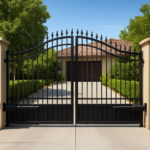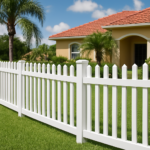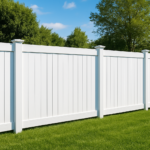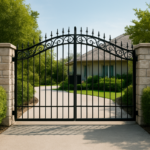

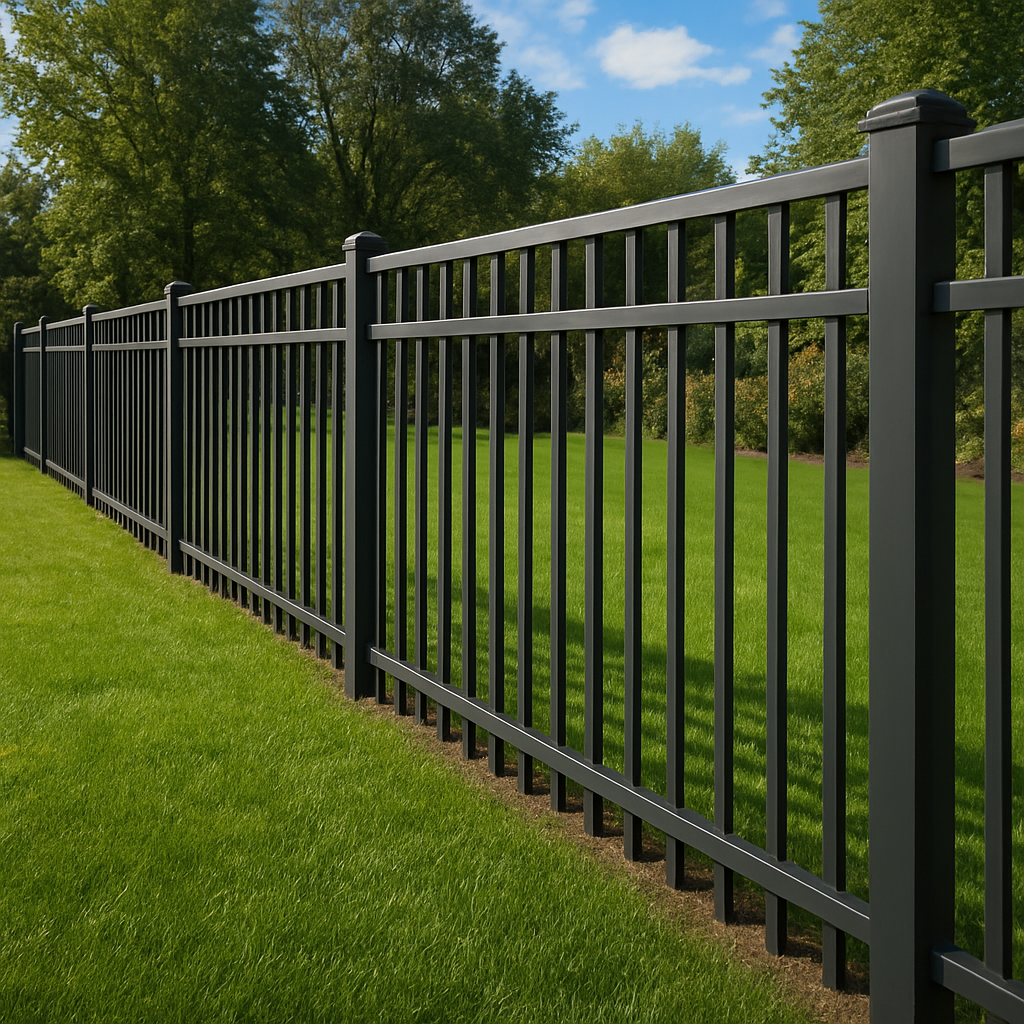
If you are searching for aluminum fence install near me in the Tampa Bay area, this guide cuts through marketing to give realistic benefits, cost ranges, permitting requirements, and installation timelines you can use when comparing local quotes. Read on for Tampa-specific cost scenarios, a step-by-step installation checklist, maintenance advice for salt-air conditions, and practical next steps for getting a local estimate from Vilo Fence. No fluff – just the facts you need to choose the right aluminum fencing solution and avoid common surprises.
Why Aluminum Works Well in Tampa Bay
Key point: Aluminum resists the two things that kill fences here: salt-driven corrosion and constant humidity. Unlike raw steel, aluminum forms a protective oxide layer and, when combined with a quality powder-coat, it stays stable in coastal air with far less ongoing maintenance than wrought iron.
Coastal corrosion, hardware, and finish choices
Using aluminum is not an automatic fix — coating quality and hardware choices determine real-world performance. Practical insight: insist on a thick powder-coat and stainless or silicon-bronze fasteners; contact between dissimilar metals (for example, raw aluminum and untreated steel brackets) can create galvanic corrosion even if the aluminum itself does not rust.
- Material trade-off: Aluminum is lighter than wrought iron, so pick heavier extrusions or closer post spacing in high-wind areas to avoid flexing.
- Hardware matters: Use 304 or 316 stainless steel for coastal jobs to prevent staining and electrochemical damage.
- Finish detail: Powder-coat color and thickness are worth paying for; thin or poorly applied coatings chip sooner and expose the alloy.
Meeting Tampa wind and code demands
Aluminum profiles and anchoring methods used locally can meet hurricane-force wind-load requirements, but the design matters. Posts must be sized and set to local wind tables, and installers often use deeper concrete footings or structural sleeves. Limitation: a lightweight ornamental panel that works in inland yards may fail at the coast unless the posts and fasteners are upgraded.
Concrete example: A Tampa pool project used 2.5-inch square posts with 0.120 wall thickness, stainless fasteners, and 18-inch-diameter concrete footings to meet local wind loads and pool-safety spacing. The owner avoided post movement during a strong storm and required only cosmetic touch-up afterward, not structural repair.
Compared with alternatives, aluminum sits in the sweet spot for most Tampa properties: lower maintenance than wood, stronger and less brittle than some vinyl systems in sun, and far easier to maintain than wrought iron. That said, if the primary goal is maximum physical barrier force for industrial security, heavier steel or masonry will outperform aluminum.
Takeaway: Aluminum performs well in Tampa when specified and installed for coastal conditions — focus on finish, compatible hardware, and upgraded post anchoring rather than assuming material alone will solve durability or code issues. For help matching those choices to your lot, see Vilo Fence's local service options at Vilo Fence.
Key Benefits: Durability, Appearance, and Security
Short version: aluminum fencing buys you long-term durability with low upkeep, attractive curb appeal that holds through sun and salt, and configurable security that works for most residential and many commercial needs. If your search started with aluminum fence install near me, factor these three outcomes into any local quote rather than just the sticker price.
Durability insight: aluminum does not rust like steel, but performance is a system — alloy, powder-coat, fasteners, and post anchoring determine whether a fence lasts or needs early repairs. Expect corrosion resistance only when installers specify coastal-grade finishes and stainless or silicon-bronze hardware; otherwise your panels will discolor and fasteners will fail before the extrusions do.
Appearance and curb appeal that lasts
Design value: ornamental aluminum comes in clear visual tiers — simple picket, estate-style with decorative finials, and estate-plus with wider rails and heavier posts. Trade-off: heavier profiles and custom colors cost more up front but avoid sagging, bowing, and premature repainting in Tampa sun and salt air.
- Color and finish choices: standard textured black powder-coat hides wear; custom colors and two-stage finishes resist chalking but add lead time and cost.
- Pool and visibility: vertical-bar pickets meet pool-safety sightlines better than horizontal rails; choose spacing and height to match local code and aesthetic goals.
- Curb appeal ROI: spend a little more on heavier posts and thicker wall extrusions if resale or street-facing presentation is a priority.
Security and functional options: aluminum can be built into a credible barrier — pick gate style, latch hardware, and post construction to match threat level. For detached yards, a 4-foot picket fence with self-closing hinges and a keyed latch deters casual access; for commercial perimeters, choose deeper embedment, reinforced posts, and mechanical latches or electronic access controls.
Practical trade-off: going heavier for security increases material and labor cost and can change permitting or neighbor concerns. In practice, most Tampa homeowners find a mid-weight ornamental system delivers the best balance between appearance, code compliance, and deterrence without the expense of steel security fencing.
Concrete example: a South Tampa homeowner replaced a failing wood fence with 120 feet of 3-rail aluminum, a keyed pedestrian gate, and a sliding vehicle gate with an automatic opener. Vilo Fence specified 0.120 wall extrusions, stainless fasteners, and 18-inch concrete footings; after a seasonal storm the system required only paint-touchups to a post cap — no structural repairs were needed.
Choose finish and anchoring to match exposure: a coastal property needs better hardware and deeper footings than an inland lot, regardless of panel style.
Next consideration: when comparing local aluminum fencing contractors, ask for photos of completed jobs in similar exposure, an explanation of their fastening and footing standards, and whether they include gate hardware options. If you want local help, view Vilo Fence project examples at Vilo Fence gallery or request a site visit through Vilo Fence residential services.
Typical Costs for Aluminum Fence Install in Tampa
Reality check: budget for installed aluminum fencing in the Tampa market in the neighborhood of $30 to $60 per linear foot for typical ornamental systems. Material-only figures are lower, but the installed price absorbs labor, concrete footings or ground screws, gates, and permit work — the things that actually determine whether the fence holds up in coastal conditions.
Practical insight: the advertised per-foot price is a starting point, not the final bill. Cheap per-foot bids commonly cut corners on extrusion wall thickness, powder-coat process, or use carbon-steel fasteners that will stain or corrode near salt air. Those savings show up as service calls and repainting within a few years.
What the price covers (and what it usually does not)
- Included in a complete installed price: materials (posts, rails, pickets), standard concrete footings or ground-screw anchors, crew labor, basic cleanup, one pedestrian gate, and a permit if the installer includes permit pull in their scope.
- Common extras that add 10-50% to the base price: vehicle gates (manual or automated), difficult access or property slopes, removal/disposal of an old fence, landscaping repairs, and expedited permitting or HOA drawing submissions.
- Hidden budget busters: rock or hardpan excavation, long runs that require staging or extra crew days, and re-work when property lines or utility locations are uncertain.
Trade-off to consider: paying more up front for heavier extrusions and stainless hardware usually reduces lifetime cost in Tampa. A midweight system with coastal-grade fasteners will typically avoid recurrent repairs that erase any initial savings from the cheapest bid.
| Project | Line-item assumptions | Estimated installed total |
|---|---|---|
| 50-foot front yard ornamental run | 4-ft picket panels, straight run, one pedestrian gate, standard footing, easy access | $1,800 – $2,500 |
| 120-foot backyard with vehicle gate | 4-ft panels, one sliding or double swing vehicle gate, minor grading, permit included | $4,800 – $7,500 |
| 200-foot commercial perimeter | 6-ft security-style aluminum, multiple gates, heavier posts, automation, wind-rated anchoring | $18,000 – $32,000 |
Concrete example: a homeowner replacing a curb-facing run of 50 linear feet chose a midweight ornamental system. Materials were about $700, labor and concrete footings $1,000, a keyed pedestrian gate $450, and permit/disposal $150 — final invoice roughly $2,300. The owner paid a premium for stainless hardware and avoided follow-up corrosion repairs after a coastal storm.
- When to expect higher than the quote band: slopes, retaining-wall tie-ins, or runs that cross driveways and sidewalks (sightline adjustments add time and cost).
- When you can save: long, straight runs with good access and no gates typically push cost toward the lower end of the range.
Important: always ask for an itemized bid showing material quality (alloy or extrusion thickness), fastener type, footing depth, gate hardware, and permit fees — those line items explain most price differences among local aluminum fence companies nearby.
Permits, HOA Rules, and Local Code Considerations
Hard fact: permitting and HOA approvals are the most common cause of delays and scope changes on local aluminum fence installs. Municipal permit checks enforce wind-load, setback, and pool-safety rules — skip them or treat them as optional and you risk stop-work orders, fines, and insurance headaches.
City and county jurisdictions differ. The City of Tampa enforces its own building requirements while unincorporated Hillsborough County follows a separate permit path — check City of Tampa Building Services and Hillsborough County Permits early in the process. Practical consequence: the same fence drawing can pass in one jurisdiction and require stronger posts, different footing depths, or a signed engineering spec in another.
Common triggers and real trade-offs
Key triggers: height above local limits, fences within right-of-way or utility easements, pool enclosures, driveway sightlines, and wind-load ratings. Trade-off: designing to the strictest plausible standard up front costs more but reduces the chance of mid-job redesign when an inspector flags inadequate embedment or panel spacing.
Concrete example: A homeowner on a corner lot in South Tampa needed a 6-foot perimeter fence but the HOA allowed only 4 feet on the street-facing side. Vilo Fence prepared a scaled site plan and an alternate design showing setback compliance; the client avoided re-installation by submitting the drawing to the HOA and securing the municipal permit before crews mobilized. The extra paperwork added three weeks to the schedule but prevented an expensive rework.
HOA and paperwork: what actually speeds approval
- Start with the documents: pull your HOA covenants and any architectural review forms before getting quotes.
- Provide a drawing package: a clear site plan, elevation, finish swatch, and gate hardware spec answers 90% of ARB questions.
- Ask the contractor: will they prepare and submit drawings, or do you need to? Having that responsibility assigned avoids back-and-forth delays.
Practical risk judgment: some low-cost installers omit permits to save time and bid low. That is a short-term saving for them and a long-term liability for you. Insist on seeing the permit number and a copy of the approved plans before work begins; if the installer resists, treat that as a red flag.
Next consideration: before you accept a low bid, confirm who will handle permits and HOA submissions, and factor any required variances or engineering into the timeline — it is cheaper to pay for the paperwork up front than to pay for rework after an inspection fails.
Step-by-Step What to Expect During Installation
Straight talk: installation is a sequence of predictable tasks, but the schedule and disruption level depend on site access, subsurface conditions, and gate choices. Expect crews to work methodically — layout, posts, rails/panels, gates, then cleanup — and to call out any issues before they charge for extras.
Pre-install checklist (what happens before crews arrive)
Document and confirm: the installer should verify property lines from a recent survey, review HOA requirements and local permit approvals, and supply a written scope with start date and crew size. Practical insight: unresolved property-line questions or late permit approvals are the single biggest cause of schedule slips.
- Material staging: installer schedules delivery so rails and panels arrive before crews; if your driveway is narrow, expect staged drops and extra handling charges.
- Site access and prep: trim vegetation, secure pets, and move vehicles from the work area; crews will expect 3 to 4 feet of clear width along the run.
- Utility verification: the contractor will review known utility locations and ask you for any as-built notes or recent locates; unresolved utilities often force redesign on day one.
Typical on-site sequence and timing
- Layout and batter-boards: crews snap lines and mark post positions. This is the time to confirm gate locations and fence alignment.
- Post holes or ground-screw anchors: holes are dug or augured. Trade-off: poured concrete is slower and heavier but usually more robust for automated or sliding gates; ground screws speed the job but may be less forgiving in poor soils.
- Set posts with anchors or concrete: posts are plumbed and braced. Allow for concrete set time before heavy loads (some installers wait 12–24 hours; heavier gates may need longer).
- Install rails/panels: panels are fastened, gaps checked, and any cut sections finished with touch-up paint.
- Hang gates and adjust hardware: swings are shimmed, latches tested; automation adds another day for electrical and opener setup.
- Final inspection and cleanup: crews walk the line with you, log punch items, and remove debris.
Concrete example: a homeowner in South Tampa scheduled a midweight residential install for 120 linear feet with a single swing gate. A three-person crew arrived, staged materials in the driveway, augured holes in the morning, and set posts by mid-afternoon. Panels and the gate were installed the next morning after the footings had partially set, allowing hinge adjustments and a final walk-through before payment.
What slows a job: hidden rock or concrete, narrow or steep access, unmarked utilities, and mid-job design changes (different gate, extra posts) all add hours or days. Low bids that promise one-day installs for complex yards are often lying about scope.
Important: automated gates, masonry tie-ins, or commercial wind-rated anchoring are not same-day add-ons — budget an extra day or two and expect higher labor on estimates.
Judgment call: for most Tampa yards, insist on a short written window for post curing before hanging heavy gates and confirm stainless fasteners. It costs a bit more time up front but prevents rattling gates and post movement that create service calls later. If you want Vilo Fence to manage scheduling, permits, or gate automation, request those options on your estimate at Vilo Fence contact.
Maintenance, Repairs, and Preparing for Storms
Straight fact: well-specified aluminum fences usually survive storms; what fails is the detailing around posts, fasteners, and gate hardware. Fix those things up front and most storm damage will be cosmetic rather than structural.
Routine maintenance that actually matters: perform a visual audit twice a year instead of waiting for obvious problems. Look for loose fasteners, chipped powder-coat in high-impact zones, hinge sag, and any soil washout at post bases. Small issues found early cost a few minutes and a few dollars; left alone they become post replacements and concrete work.
After a storm – immediate steps
- Safety first: keep clear of leaning posts or panels that could fall; do not climb or try to stand damaged panels.
- Document the damage: take time-stamped photos and short video clips from multiple angles for insurance and contractor assessment.
- Temporary stabilization: brace leaning panels with soft straps or lumber at low tension to prevent further collapse – avoid drilling or permanent fixes until a pro assesses embedment.
- Contact a professional: request an emergency assessment from a nearby aluminum fence service to evaluate embedment and gate alignment. Use Vilo Fence contact for local response.
Concrete example: after a seasonal squall, a South Tampa homeowner found two adjacent posts leaning and a disconnected gate hinge. They photographed the damage, strapped the gate closed, and booked Vilo Fence for an emergency check. The crew tightened hardware, reset one post with new concrete, and documented repairs for the homeowner to submit with an insurance claim; the job took a day and avoided replacing the full run.
Repair versus replace – a practical rule of thumb: if damage affects more than about 30 percent of posts in a run, or if two or more adjacent posts require full reset and new concrete, replacement of that section is often the better long-term choice. Patching panels is cheap, but frequent post work multiplies labor and creates alignment problems down the road.
Technical trade-offs: ground-screw anchors speed installs and simplify post replacement, but in sandy coastal soils and high-wind situations concrete footings often provide better long-term resistance to uplift. Choose the anchoring method based on exposure and gate loads – automated sliding gates usually require concrete regardless of soil.
Cleaning and finish care: avoid high-pressure washers above 1200 psi and abrasive chemical cleaners – they will thin or remove powder-coat over time. Use a soft-bristled brush, mild detergent, and freshwater rinse; for chips, ask for a manufacturer color-matched touch-up pen rather than using generic spray paint.
Important for insurance claims: provide before-and-after photos, an itemized repair estimate, and a crew sign-in sheet. Insurers respond faster when documentation shows professional assessment and temporary bracing steps were taken promptly.
Practical judgement: do not let a low-cost handyman patch multiple post footings and call it done. Post resets and concrete work need correct embedment and stainless hardware to avoid repeat failure in salt air. If you are comparing local aluminum fence installation services, insist on a written scope for post depth, anchor type, and fastener material before work starts.
How to Get an Accurate Local Quote and Next Steps with Vilo Fence
Straight fact: a quick phone or photo estimate rarely matches the final bill for a Tampa job. When homeowners search for aluminum fence install near me, the only reliable price comes from an on-site measurement that checks soil, slope, access, and underground conditions.
What an accurate local quote must verify
Key checks: a practical estimate confirms exact linear footage measured on site, gate count and swing or slide requirements, footing method chosen for local soil, presence of rock or hardpan, driveway sightlines that affect post placement, and whether permits or HOA approvals are needed. Missing one of these items is the most common cause of change orders.
- Prepare photos and access notes: mark existing utility locates and note fences to remove or areas with heavy landscaping so the estimator knows what to inspect.
- Point out special site conditions: slopes, retaining walls, narrow access, or driveway crossings change footing and labor assumptions.
- Bring HOA docs or permit requirements: deliver any covenant language or ARB forms to avoid redesign after the bid is issued.
- Ask for material specs on the estimate: alloy grade, wall thickness, powder-coat process, and fastener type should be written on the bid.
- Request an itemized written quote and timeline: have the contractor state whether they will pull permits and the expected permit lead time.
Practical insight and trade-off: virtual estimates speed the process and are useful for budget checks, but they encourage lowball bids that under-spec hardware or embedment. Paying for a free on-site visit buys a realistic scope; it costs nothing and prevents surprise charges for post resets, extra concrete, or gate changes once crews arrive.
Practical example: A Hyde Park homeowner received a quick online quote that assumed straight access and no grade change. On-site, Vilo Fence found a 6-inch grade drop along the street-facing run and the need for hand-digging around shallow irrigation lines. The on-site estimate added a small labor premium but eliminated two mid-job days and a surprise invoice for extra concrete work.
Insist on an on-site measurement and an itemized bid; treat any firm that resists a site visit as a risk for hidden costs.
Next consideration: schedule a free site visit, gather HOA or permit documents, and ask the estimator for an itemized bid that names material specs and permit responsibility. To request an on-site estimate or to see local project examples, use Vilo Fence contact or review the Vilo Fence gallery.