
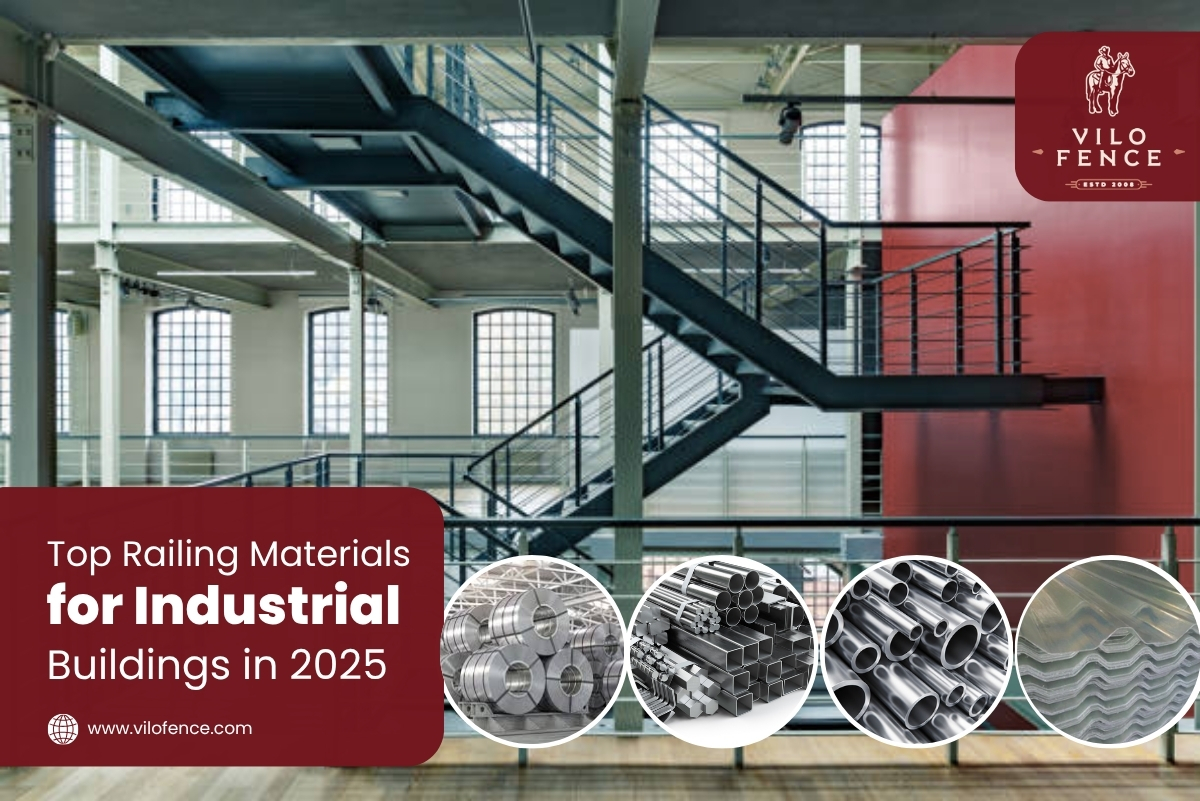
In 2025, industrial buildings demand more than just structural strength—they require safety, compliance, aesthetics, and long-term cost-effectiveness. Railings are a key part of this equation. Whether it’s a warehouse mezzanine, loading dock, manufacturing floor, or rooftop, railings play a vital role in protecting personnel and defining safe boundaries.
With advancements in engineering, materials science, and workplace safety standards, choosing the right railing material is no longer as straightforward as it once was. Let’s explore the top railing materials leading the industry this year—and why they matter more than ever.
Why Railing Material Selection Matters
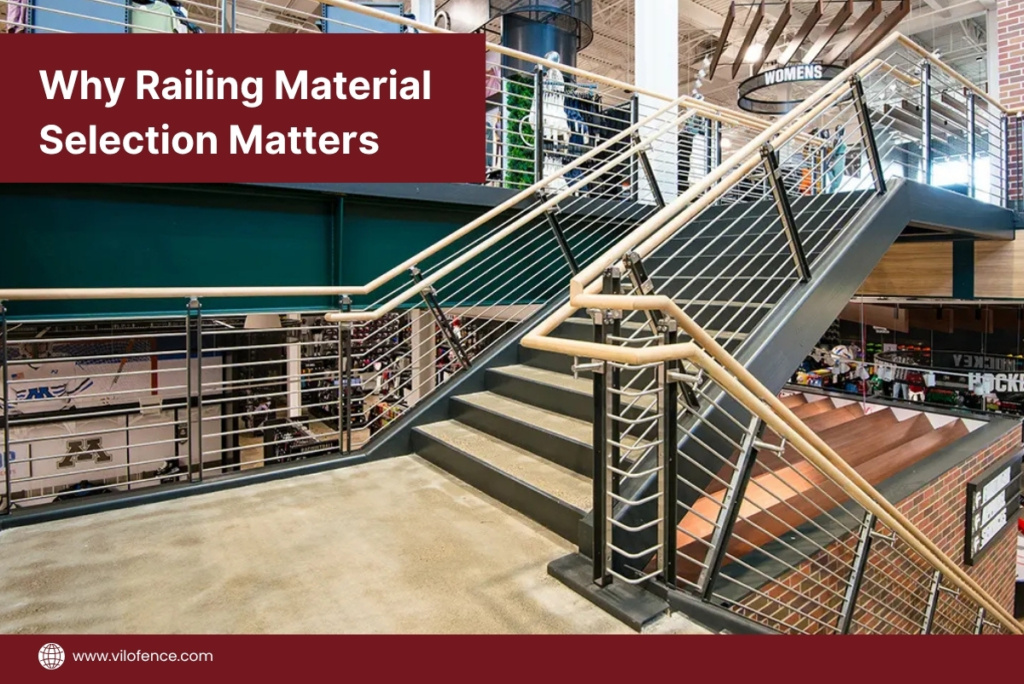
Before diving into the list, it’s important to understand why railing material selection is critical for industrial environments:
- Safety compliance (OSHA, IBC, ADA)
- Resistance to corrosion, weather, and wear
- Strength to handle impacts and pressure
- Ease of installation and maintenance
- Visual integration with industrial design
Different industries, from food processing to logistics, have unique environmental challenges. That’s why the “one-size-fits-all” mindset doesn’t work anymore.
Top 6 Railing Materials Every Industrial Facility Should Consider in 2025
1. Galvanised Steel
Best For: Heavy-Duty Industrial Use
Galvanised steel continues to dominate in high-impact environments due to its incredible strength and corrosion resistance. The zinc coating protects against rust, even in damp or semi-exposed areas, such as outdoor staircases or chemical warehouses.
Advantages:
- Long-lasting durability
- Excellent load-bearing capability
- Resistant to impact and wear
- Meets most industrial safety codes
Considerations:
- It can be heavy and labour-intensive to install
- The surface may become slippery if not textured
This material is ideal for areas with heavy machinery or where high foot traffic requires protective barriers.
2. Stainless Steel
Best For: Hygienic and Corrosive Environments
Where you have a pharmaceutical industry, food processing industry, or labs there is obsession with cleanliness. Stainless steel not only offers a clean, sleek look but also resists chemical corrosion and is easy to sanitise.
Advantages:
- Rust-resistant and non-porous
- Ideal for sterile conditions
- Modern, professional appearance
- Available in various finishes (brushed, polished)
Considerations:
- More expensive than other metals
- May require specialised welding or fittings
While it’s not always necessary for dry areas, stainless steel shines in any environment where sanitation and appearance are priorities.
3. Aluminium
Best For: Lightweight and Low-Maintenance Needs
Aluminium railings have gained massive popularity due to their lightweight properties and corrosion resistance. They are commonly used for elevated walkways, platforms, and rooftop safety railings.
Advantages:
- Corrosion-resistant without extra coatings
- Lightweight, easy to install or modify
- Non-sparking (ideal for electrical or flammable zones)
- Doesn’t require painting
Considerations:
- Not as strong as steel under extreme pressure
- Can dent or bend under high impact
If your priority is speed of installation, reduced maintenance, and modern appeal, aluminium checks all the boxes.
4. Fibreglass Reinforced Plastic (FRP)
Best For: Chemical Plants and Harsh Environments
FRP railings are engineered for the most challenging industrial environments. Highly resistant to chemicals, moisture, and even UV rays, they are often used in water treatment plants, chemical facilities, and marine applications.
Advantages:
- Extremely corrosion-resistant
- Non-conductive and fire-retardant
- Low maintenance and easy to clean
- Lightweight and modular
Considerations:
- More expensive upfront
- Less rigid than metal under heavy pressure
FRP is a smart investment when working in hazardous or reactive environments, especially where metal might corrode or degrade.
5. PVC-Coated or Vinyl Railing Systems
Best For: Aesthetic Integration + Weather Resistance
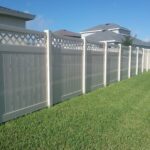
While not suitable for all heavy-duty industrial applications, PVC-coated metal railings provide a visually appealing and rust-resistant option for environments where branding, public access, or weather exposure is a concern.
Advantages:
- No repainting or touch-ups required
- Available in various colours
- Scratch-resistant coating
- Good for indoor-outdoor transitions
Considerations:
- Limited load-bearing capacity
- Not ideal for high-impact environments
These railings work well in industrial campuses, entryways, or facilities with foot traffic from clients, contractors, or delivery personnel.
6. Wrought Iron (for Specific Industrial Aesthetics)
Best For: Custom, High-End Industrial Applications
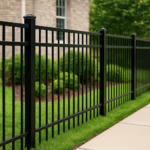
Although not commonly used in high-impact areas, wrought iron railings still have a place in historic or boutique industrial buildings, where form and function must be in harmony.
Advantages:
- Strong and long-lasting
- Classic industrial aesthetic
- Can be customised with intricate designs
Considerations:
- Requires maintenance (prone to rust)
- Heavier and costlier than modern alternatives
If you’re preserving or repurposing an old industrial structure, wrought iron delivers unmatched character.
Choosing the Right Railing for Your Facility
No two facilities are the same. Here are a few decision-making factors to guide your material selection:
- Environment: Indoor, outdoor, wet, or corrosive?
- Usage: High traffic, machinery-heavy, public-facing?
- Compliance Needs: OSHA, ADA, or IBC requirements?
- Budget: Upfront Cost vs. Long-Term Value
- Maintenance: Will you need regular painting or upkeep?
Consulting with experienced fencing and railing professionals can help identify the best fit for your specific industrial setting.
Installation & Maintenance Considerations
When selecting railing materials, don’t overlook the costs of installation, labour, and future maintenance. While galvanised steel offers incredible durability, it may require more intensive installation. On the flip side, aluminium or FRP railings can be pre-fabricated and easily installed in modular formats.
Maintenance should also match your operational capacity. For example:
- Choose stainless steel or aluminium if you want a set-it-and-forget-it option.
- Use FRP in chemically volatile environments where other materials can wear out fast.
Final Thoughts
At Vilo Fence, we recognise the importance of railing systems in ensuring industrial safety and efficiency. Whether you’re upgrading a manufacturing facility or designing a new logistics hub, our mission is to help you choose materials that provide durability, compliance, and peace of mind.
We work closely with industrial property owners, facility managers, and architects to recommend the best material for each unique job, delivering safety without sacrificing design or function.
Frequently Asked Questions
Q1. Which railing material is most cost-effective in the long run?
Ans. Aluminium offers a great balance of affordability, durability, and low maintenance, making it a cost-effective choice over time.
Q2. Can railing systems be customized for different industrial needs?
Ans. Yes. Many materials, such as aluminium, stainless steel, and FRP, can be cut, welded, or moulded into custom designs to meet safety and design specifications.
Q3. Are there railing systems that require no painting or upkeep?
Ans. Absolutely. Aluminium and FRP are corrosion-resistant and require little to no upkeep compared to painted or untreated metals.
Q4. What’s the best railing material for outdoor industrial use?
Ans. Galvanised steel and aluminium are top choices for outdoor areas due to their strength and resistance to rust.
Q5. Can I use different materials in the same facility?
Ans. Yes. Many industrial buildings utilize a combination of materials—steel for heavy-duty areas, aluminium for platforms, and vinyl or PVC-coated options for entrances or aesthetic purposes.