

A good fence does more than mark property lines—it protects your space, adds curb appeal, and gives you peace of mind. But like anything left outside for years, fences take a beating. Rain, sun, wind, pests—these elements don’t care how much you paid for that beautiful wood or sleek vinyl panel. Without proper upkeep, even the best-built fence can fall apart in just a few years.
But with the right care? You can stretch its lifespan past two decades—easily.
Let’s break down practical, tried-and-tested fence maintenance hacks that actually work. No fluff. These are just real ways to keep your fence looking sharp and standing strong.
The Top 10 Tested Maintenance Strategies for Fences to Increase Their Lifespan
1. Know What Your Fence Is Made Of
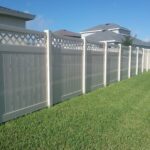
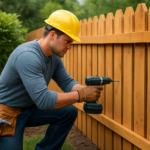
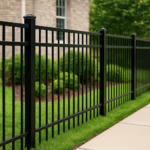
The first part of any fencing maintenance task is to understand what you are tending to. Why? Because wood, vinyl, metal, and composite fences all need different maintenance routines.
- Wood fences need regular sealing or staining.
- Vinyl fences benefit from routine cleaning but don’t require sealing.
- Metal fences (such as iron or aluminium) require rust prevention.
- Composite fences are low-maintenance, but they still require occasional cleaning.
Treating every fence the same way is like using the same shampoo for oily and dry hair—it won’t work.
2. Clean Your Fence Annually—The Right Way
A yearly deep clean does wonders. It clears away mold, mildew, bird droppings, and the grime that shortens a fence’s life.
Here’s how:
- Wood: Use a soft brush and a solution of water + mild detergent or white vinegar. Pressure washing? Yes—but only with low pressure.
- Vinyl: A simple soap-and-water wash works fine. Scuff marks may be wiped away using a sponge or soft cloth.
- Metal: Hose it down, then dry thoroughly. Look for signs of rust.
Pro Tip: Always inspect as you clean—catching cracks, warps, or rust spots early can save you from major repairs later.
3. Wood fences should be stained or sealed every two to three years
Wood fences are beautiful but high-maintenance. Moisture, termites, and UV rays can cause untreated wood to deteriorate.
- Sealant protects against water and pests.
- Stain enhances the texture of the timber, as well as gives colour and protection.
Use a quality outdoor wood stain or sealant every few years. If you’re in a humid or rainy region, you may need to do it more often.
4. Stop the Ground from Eating Your Fence
Yes, we said eating.
Moisture-rich soil, shifting foundations, and creeping weeds can slowly rot or rust the base of your fence posts. Over time, this can cause a leaning or total collapse.
Here’s how to prevent it:
- Ensure fence posts are installed in gravel and concrete, not just soil.
- Keep mulch, grass, and dirt 2-3 inches away from the fence base.
- Slope the ground away from the fence to avoid water pooling.
Your fence posts are the foundation. Protect them like your fence depends on it—because it does.
5. Rustproof Your Metal Fence
Metal fences look sharp and are tough—but not invincible. Rust can spread rapidly, particularly in coastal or humid areas.
Maintenance hack:
- Check for rust every 6 months.
- Sand it down with fine-grit sandpaper.
- Apply a rust converter or protective enamel paint.
Consider a rust-resistant primer when installing metal fences in areas with high humidity or salt in the air.
6. Trim and Clear Nearby Vegetation
Trees and shrubs seem innocent, but over time, they can:
- Scratch your fence.
- Weigh it down with branches.
- Hold moisture that leads to rot or rust.
Give your fence breathing room:
- Trim back overhanging branches.
- Remove climbing vines (especially on wood fences).
- Don’t let bushes grow too close.
This promotes air circulation, which protects the building and reduces moisture entrapment.
7. Fix Small Issues Fast
A minor issue today can be a major problem tomorrow.
Loose nails? Replace them.
Hinges squeaking? Oil them.
Is the panel starting to warp? Reinforce it.
Set a schedule—maybe once every season—to do a quick walkthrough. Look for:
- Discolouration
- Warping
- Cracks
- Loose posts or panels
You’ll catch problems before they grow—and save money on major repairs.
8. Winter-Proof Your Fence
Cold months are tough on fences. When it gets wet, it expands, freezes, and either bursts or rusts apart.
Here’s your cold-weather prep checklist:
- Clear leaves and debris from the base.
- Apply weatherproof sealants before the cold hits.
- Inspect and reinforce any weak points.
If snow is in the forecast, avoid piling it against the fence. It’ll melt, soak into the wood or metal, and invite decay.
9. Check Hardware and Gates Regularly
It’s not just the fence itself—you also need to care for the moving parts:
- Lubricate hinges with WD-40 or silicone spray.
- Tighten bolts, screws, and brackets.
- Adjust gate alignment if it starts to sag.
If your gate isn’t closing right or drags on the ground, fix it before it warps the frame.
10. Don’t Let Insects Take Over
For wooden fences, insects like termites and carpenter ants are a major threat.
Prevention hacks:
- Mulch, firewood should be kept 3 feet away from the fence.
- Seal all cracks and entry points.
- Consider applying borate-based treatments to deter wood-eaters.
Stay alert—chewed or hollow wood, sawdust, and small holes are early signs of trouble.
Conclusion: 20 Years Isn’t a Dream—It’s a Maintenance Plan
A fence won’t last 20+ years by accident—it lasts that long because you planned for it. Cleaning, sealing, trimming, and inspecting may sound like chores now, but they’re investments in long-term durability.
At Vilo Fence, we understand the value of longevity. That’s why we believe in sharing what works—not just installing fences but helping you protect them for the long haul.
FAQs
Q1. How often should I clean my fence?
Ans. At least once a year, ideally twice—spring and fall are great times to wash and inspect.
Q2. What’s the best sealant for wood fences?
Ans. Look for UV-resistant, water-repellent exterior wood sealants. Oil-based options tend to last longer.
Q3. Is pressure washing safe for fences?
Ans. Yes—but use low pressure to avoid damaging the surface, especially for wood and vinyl fences.
Q4. Can I stain a fence without cleaning it first?
Ans. No. Dirt, mildew, and old stains can prevent the new finish from sticking properly.
Q5. What’s the first sign my fence is failing?
Ans. Leaning posts or panels, discolouration, or rust/rot at the base are key red flags to watch for.