
Why Vinyl Fences Are a Smart Choice — How to Find the Best Vinyl Fence Company Near You
Vinyl fences offer lasting value, but choosing the right installer matters as much as the fence itself. In this guide, you'll learn how to find a vinyl fence company near me, evaluate durability, warranties, and total cost of ownership, and navigate Tampa-area considerations for wind, salt spray, and permits. We'll walk you through a straightforward vendor evaluation framework and a practical hiring process so you can get a maintenance-free fence that fits your property and budget.
1. Why choose vinyl fences for property value, durability, and maintenance
Vinyl fencing delivers real, measurable value when you focus on long-term ownership instead of upfront cost. In practice, it pairs durability with maintenance simplicity, which is especially meaningful in Tampa where humidity, salt spray, and sun take a toll on organic materials. A white or neutral vinyl panel fence doesn’t require painting, staining, or sealing year after year, so the ongoing hassle and expense are dramatically reduced. See the practical framework we use to compare credible installers in this guide: reliable fence company tips. For a background on the material itself, Vinyl fencing on Wikipedia is a quick reference.
Durability against rot, insects, and weather is a core performance lever. Vinyl fences resist rot and termite damage far better than wood, and UV stabilizers keep the color from fading. That said, the system only lasts if posts and footings are solid; in windy climates like Tampa, improper post installation is the single biggest failure mode. In other words, a premium vinyl fence is only as good as the post design and the concrete work behind it.
Example from a Tampa project: a homeowner swapped a wooden front-yard fence for a vinyl privacy fence. Within two years, maintenance costs dropped from roughly $600 to under $100 annually, with no staining, painting, or sealing required. The fence looked newer, and the yard felt more finished, which neighbors noticed during open houses.
Color options and clean lines boost curb appeal and can influence perceived value during resale. White vinyl fences work with most architectural styles and HOA rules, reducing ongoing exterior maintenance versus painted wood or metal. This is not a magic ROI number, but the style tends to lower repaint and repair cycles, which reduces the cost of ownership over time.
Tampa wind loads, salt spray, and permitting matter. If the installer doesn’t provide wind-rated posts and engineered rails, you’ll pay later in repairs. Verify the warranty terms in writing; in practice, the best vinyl fence company near me sources from trusted brands like CertainTeed or Weatherables and offers a manufacturer-backed warranty plus post-install service windows.
Takeaway: when evaluating options, prioritize long-term ownership costs, proven wind-rated posts, and a credible warranty. The best vinyl fence company near you will quote a transparent, itemized package and stand behind the work.
2. Vinyl fence styles and color options that fit different properties
Your property layout and local covenants drive style choice, not just color. In Tampa, the best vinyl fence for a front yard may be a white picket or decorative cape rail to boost curb appeal, while the backyard benefits from a privacy panel that maximizes seclusion and wind protection.
Style options at a glance
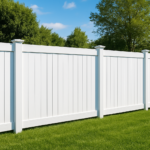
- Privacy fences: Maximum seclusion, taller panels, but blocks sightlines and light; check HOA height limits and sightline rules.
- Picket fences: Classic curb appeal with visibility and light; typically front yards; limited privacy.
- Ranch rail: Open feel for large lots and wind resilience; less privacy but a spacious look.
- Cape decorative styles: Adds architectural character; may require extra posts or lattice; cost and HOA rules vary.
Concrete Example: A Tampa home swapped a wood fence for a white vinyl privacy fence along the backyard to secure a play area, using 6-foot panels and reinforced posts to meet wind loads. The front yard kept a white picket fence to boost curb appeal while preserving street sightlines. The project stayed within HOA limits and reduced maintenance dramatically.
Color options extend beyond white. Common choices include white, almond, and clay, with some manufacturers offering custom tones. In Tampa's sun, lighter colors reduce heat gain, while white shows dirt more quickly and may require more frequent cleaning. Almond and clay strike a balance between heat management and dirt visibility.
Panel construction versus rail configurations matter for wind resistance and maintenance. Panel fences use pre-built segments attached to posts, while rails inside each panel add stiffness and reduce sag. In Tampa’s coastal winds, opting for panels with extra rails and properly sized posts improves long-term durability.
To choose wisely, map your property zones (front vs back), confirm HOA covenants, and request itemized quotes that show style, post size, and rail count.
Takeaway: Decide on functional needs first, then lock in style and color while validating with HOA constraints. Next, gather quotes from nearby vinyl fence installers to compare wind design and warranty coverage.
3. How to evaluate a vinyl fence company near you
Evaluating a vinyl fence company near you comes down to three live factors: credibility, guarantees, and local track record. Confirm a current license, active general liability and workers compensation coverage, and installer safety certifications. That foundation protects you from shoddy work and unexpected costs when Tampa weather tests the fence.
Key criteria to check
Use these criteria to separate capable local vinyl fence installers from the rest. Don’t accept vague promises or outdated credentials.
- Licensing and insurance: Verify the license is active and request certificates of liability and workers compensation. Confirm that subcontractors are covered and that the insurer names the contractor as an insured party. This is a non negotiable guardrail against risk in a windy, coastal environment.
- Warranty terms: Get a written warranty from both the manufacturer and the installer. Clarify what is covered, for how long, what voids coverage, and whether the warranty is transferable to future owners. Remember that a warranty without clear conditions is not a guarantee.
- Local references and portfolio: Ask for recent Tampa area projects and contact references who can speak to performance over time. A solid local portfolio demonstrates familiarity with neighborhood standards, HOA restrictions, and climate effects on vinyl fencing.
- Installation crew qualifications: Inquire about crew size, lead installer, on site supervision, and post install inspection steps. A well supervised crew reduces risk of misalignment, post settlement, or wind vulnerability.
- Brands and materials: Identify vinyl brands used (for example CertainTeed or Weatherables) and confirm material sourcing stability. Brand choices affect durability, color availability, and long term maintenance.
Example: a Tampa homeowner requested quotes from three nearby installers. One offered a low upfront price but provided no current insurance proof and no local references. A second had solid insurance but a sparse Tampa project gallery. The third presented a clear warranty, verified insurance, and a robust local portfolio, plus a well documented plan for wind resistance. The homeowner chose the third option for credibility and predictable performance.
In practice, the evaluation framework is about risk management as much as price. A company that undercuts on licensing or uses unproven brands may save money upfront but can cost more in maintenance, disputes, or warranty service later. In Tampa, verify wind load handling, proper posts, and permit readiness as part of the evaluation.
Takeaway: use the three pillars credibility, guarantees, and local performance to filter vendors quickly. Start with nearby, top rated fence contractors and request a straightforward, itemized evaluation that includes brand names, warranty scope, and a local project gallery. See practical tips from proven local providers at reliable fence company tips.
4. A practical step by step process to hire the best vinyl fence company near you
Define your fence goals and budget before you request quotes. This keeps conversations focused on the right outcomes and prevents scope creep later. You should specify whether you want maintenance-free vinyl, a privacy solution, or a decorative fence, and set a ceiling for total installed cost that leaves room for permits and contingencies. In practice, this clarity shortens the vendor evaluation and protects you from hidden add-ons later.
- Step 1: Prepare a brief with goals, style, and budget, including HOA constraints and wind requirements.
- Step 2: Ask for written estimates with itemized pricing, a project timeline, and a breakdown of any permit or site prep costs.
- Step 3: Verify credentials: licenses, insurance, and safety certifications; request copies and confirm coverage.
- Step 4: Probe maintenance and warranty: ask what is covered, duration, whether service is included, and how to file a claim.
- Step 5: Review the contract: ensure clarity on permit responsibilities, change orders, payment schedule, and what happens if weather delays install.
Pricing alone is not a signal of value. When you compare bids, ensure each one quotes the same scope: vinyl grade, post depth, warranty terms, site prep, and timeline. In Tampa, verify lead times and whether the quote anticipates permit processing and any local inspections.
Concrete example: A Tampa homeowner compared two bids for a privacy vinyl fence. One was aggressively low but used generic posts and skipped permit prep. The other quoted a premium product with wind-rated posts, proper anchors, and inclusive permit handling. After checking two local references and confirming the brand and installation plan, the homeowner chose the higher-quality bid and the job finished on schedule with no surprise charges.
Once you select a finalist, schedule a site visit to verify the proposed layout, confirm access for equipment, and review the crew size and timeline. Ask for a sample of the actual vinyl and hardware to confirm color and colorfastness, and confirm who handles permits and inspections on your behalf.
Takeaway: lock in a transparent process with a written scope, fixed price, and a warranty before any work starts.
5. Tampa area considerations that matter for vinyl fencing
In Tampa, wind load, salt spray, and permitting timelines are the real cost drivers for vinyl fencing, not the sticker price. Vinyl itself resists rot and insects, but a fence only remains durable when posts and anchors are designed for our gusty, humid climate. Expect installers to push deeper footings, reinforced posts, and cross bracing rather than merely taller panels. Build the install window around weather patterns and permit processing to avoid delays during hurricane season. This approach aligns with industry guidance from organizations like the American Fence Association American Fence Association.
Coastal conditions make hardware the weak link. Salt exposure and humidity accelerate corrosion on metal components, so insist on stainless-steel or ceramic-coated fasteners, brackets, and compatible hardware from the vinyl system manufacturer. If a crew uses off-brand screws or mismatched fittings, you risk loosening posts or compromising the warranty. Prioritize a package that includes corrosion-resistant accessories and clearly labeled brand compatibility.
Permits and scheduling are a quiet bottleneck in Tampa projects. A permit review can add a week or more, and HOA approvals can stall progress for longer. Start with the local building department and ask your contractor for a permit-ready package that includes a plot plan and product specs. Build in buffer for weather days and inspectors, and confirm who tracks approvals and who handles revisions if plans change.
Lead times surge in peak season. Expect quotes, material procurement and installation slots to shift by several weeks. In a typical Tampa residential run of 100–150 feet, the actual install can take two days once started, but landing the start date may require 3–5 weeks from contract, depending on permits and material backlog. Example: a South Tampa project paused for four weeks due to permit back-and-forth, then two days of on-site work once approved.
Local credibility and practical vetting matter. Seek a Tampa-area portfolio and neighbor references close to your street to understand how a vinyl fence performs in wind and salt spray. A credible installer will discuss wind loads, post-anchoring choices, and provide a permit-ready package at the first site visit, not after a signed contract. If you want to see realistic outperformance, ask to tour a nearby installation that faced similar weather and soil conditions.
6. Maintenance and care to maximize lifespan and value
Maintenance is not optional with vinyl fencing; it directly determines lifespan and overall value. When you treat the system with a regular care routine, you protect your investment and keep curb appeal intact. The hard truth: most failures come from neglect—loose posts, dirty rails, and hidden cracks that worsen with wind, heat, and humidity.
Regular cleaning is the easiest, most cost-effective hedge against deterioration. Use a soft-bristle brush or sponge, warm water, and a mild detergent. Avoid abrasive pads, high-pressure power washes, and solvents that can dull color or degrade the vinyl. In Tampa's salt spray and humidity, rinse after heavy rains to prevent mineral buildup, and dry with a clean cloth to minimize streaking.
Inspect twice a year: check posts for movement, rails for cracks, and caps for secure fit. Look for discoloration or chalky residue that hints at UV exposure or chemical attack. If you notice wobble beyond a quarter inch, or any cracking, plan service before minor issues become major repairs. For common fixes, see our practical guides on fence maintenance and repairs, including local tips from nearby fence contractors here.
Know when to replace rather than repair. Small scratches and faded color may be touched up or repaired, but significant damage to posts or rails, or persistent movement, usually means panel or post replacement. Keep track of warranty terms and service windows; coordinating with your vinyl fence contractor makes the process smoother and greener for your budget.
Example from a Tampa Bay project: after a storm season, a homeowner saw a few loose end posts and light staining on a white fence. We cleaned with a mild soap solution, re-secured two end posts, and added new caps. Six months later, there were no further issues, illustrating how proactive maintenance saves bigger repair costs.
- Regular cleaning: quarterly with a soft brush, mild detergent, and rinse.
- Post and rail inspection: check for movement, cracks, and loose caps after storms.
- Avoid harsh cleaners: stick to mild soap and water; avoid solvents and high-pressure washing.
- Document warranties: keep receipts and warranty terms accessible; note coverage periods.
- Schedule a professional check: at least once per year to verify fasteners, footings, and overall stability.
Next consideration: establish a maintenance cadence and coordinate with a reliable vinyl fence company near me to schedule annual checks and warranty-backed service. Regular care is the cheapest insurance for long-term value.