
How to Find the Best Fence Company Near You: A Local Buyer’s Checklist for Quality and Value
If you're searching for the best fence company near me, this Tampa-area guide gives you a practical, local framework you can apply today. It walks homeowners and property managers through defining needs, understanding HOA and permit hurdles, weighing Florida-ready materials, and comparing quotes for true value. By the end, you'll have a clear, step-by-step checklist to evaluate credentials, portfolios, warranties, and post-installation support from trusted local fence contractors.
1. Define Your Fence Goals and Budget
Stop chasing bids until you know what you're trying to build. For the best fence company near me, define your fence goals and budget first to anchor every decision.
In Florida, durability isn't optional. Start by clarifying primary objectives (privacy, security, curb appeal) and site constraints (property lines, slopes, sightlines). Also set a budget range that reflects long-term value, not just upfront price.
- Clarify objectives: privacy, security, aesthetics, and any HOA or visibility constraints.
- Assess site constraints: property lines, slope, utilities, access for equipment, and nearby structures.
- Set a budget range: include installation, permits, contingencies, and potential post-install costs like maintenance.
- Prioritize features: gates, fence height, finishing details, and whether you want maintenance-free options.
- Tie material choices to budget and climate: vinyl and aluminum offer low maintenance but higher upfront costs; wood cheaper upfront but higher upkeep; composites sit in between.
Concrete example: a South Tampa homeowner wanted a 6-foot privacy screen along a busy street with minimal upkeep. They set a budget of $12,000–$15,000 and prioritized vinyl for durability against salt air and storm debris. The decision anchored the subsequent bid comparisons and design options.
A practical constraint many overlook is long-term maintenance costs. Upfront price can be misleading if it omits maintenance, warranty scope, or the need for frequent staining or termite treatment. When bids look cheap, ask what is excluded and how that affects a 10- to 20-year plan.
Note: for additional context on maintenance realities after installation, see Nearby wood fence repair tips.
Next: align those goals with local regulations and permits so bids stay realistic and on schedule.
2. Understand Local Regulations and Permits
Permits are not optional for fence projects in Florida. They ensure correct setbacks, safe foundations, and compliance with local codes, not a hurdle to bypass. Treat permit work as part of the timeline, not a bolt-on expense.
In Tampa, permit authority rests with the city or county building department, and HOAs can add their own approvals. Your contractor will typically file the permit, but you’ll still need to approve plans and pay fees. Start the permit conversation before finalizing material choices to avoid backtracking. For standards and best practices, see American Fence Association.
Example: A Tampa homeowner planned a 6-foot privacy fence along a side yard. The contractor filed the city permit; the HOA requested a paint sample and a revised setback diagram. The delay added about a week, but once approvals came through and inspections passed, installation proceeded as scheduled.
Common missteps include assuming permits are free or instantaneous and assuming HOA rules won’t affect design. Keep communications in writing with a single point of contact, and demand clear milestones from your contractor. If a design change occurs midstream, recheck permit implications before moving forward. Verify credibility through trusted sources such as the BBB when evaluating bids: it helps surface past issues early. See BBB for local contractor history.
Next consideration: confirm who handles filings, fees, and inspection coordination, and lock the schedule to permit milestones.
3. Vet Contractors: Credentials, Experience, and Local Reputation
In Florida, license and insurance are not optional; they’re your first filter when vetting local fence contractors. You’re not evaluating a brochure—you're assessing risk and the likelihood of a clean, compliant install. Start by confirming the contractor holds a valid state license and carries general liability and workers’ compensation coverage. Ask for policy numbers and expiration dates, then verify them with the Florida DBPR and the issuing city or county. This step alone excludes a surprising share of underqualified bidders.
Credentials tell you who is allowed to work; portfolios and references tell you what they actually deliver. Request three local Tampa projects of similar size and style, then contact the homeowners and, if possible, visit the sites. Focus on workmanship, material quality, site cleanup, and how the contractor handled weather delays or permitting hiccups. Expect a written reference list with permission to reach out; use those conversations to uncover patterns that reviews alone often miss.
- Verify active license status and insurance; confirm with the DBPR and local records.
- Review portfolios and local projects; ask for project descriptions and contactable references.
- Check online reputation for Tampa-specific experience: BBB or Angi; watch for recurring themes.
- HOA and permit handling: confirm they pull permits and coordinate with HOA early to avoid delays.
- Contract clarity: material specs, warranties, installation scope, schedule, payment terms, and lien waivers.
Example from a South Tampa bid: one contractor quoted significantly lower, but could not produce valid proof of insurance. The other bid, from a local insured firm, showed a portfolio of comparable projects, completed on schedule, with a solid warranty. The difference in risk and reliability paid off when a storm hit and post-install service was needed.
Common misjudgments include assuming that a licensed contractor equals high workmanship, or that online stars tell the full story. In practice, verify recent permits and ensure the license is actively in good standing. Also beware of reviews that praise speed or price without showing local project results or permits.
With credentials verified, you can compare proposals on value rather than promises and focus on outcomes that matter in Florida conditions.
4. Material and Style Showdown: Florida-Ready Options
Florida weather is the real filter for fence material choices. You want results that look right, endure humidity and termites, and resist coastal salt spray without ballooning maintenance costs. This section breaks down Florida-ready options and helps you size up trade-offs fast.
Here's a quick material showdown.
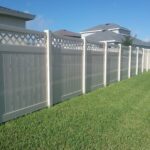
- Vinyl: Durable, low maintenance, and rot resistant; great for privacy and clean lines; typical warranties run 20–25 years; color tends to stay stable in sun; installation hinges on solid posts and corrosion-resistant hardware.
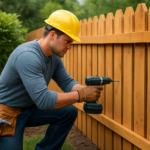
- Wood: Natural aesthetics; vulnerable to termites, rot, and humidity; requires staining or sealing every 2–4 years; lower upfront cost but higher lifetime maintenance; use pressure-treated or borate-treated options where possible.
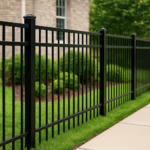
- Aluminum: Rust-proof and lightweight; good for coastal settings; not as private as vinyl and can be paired with decorative pickets; available in powder-coated finishes.
- Steel: Very strong and long-lasting; ideal for security-focused or industrial settings; heavier and more expensive; must be protected against salt air with proper coatings and correct substrate preparation.
- Composite: Low maintenance with wood-like appearance; better rot resistance than wood; higher upfront cost and variable warranties; may have installation nuances and color stability considerations.
Florida-specific climate matters beyond material chemistry. Humidity accelerates moisture-related issues, termites love untreated wood, and salt air accelerates corrosion on metal hardware. Favor stainless steel or hot-dip galvanized fasteners, and concrete footings designed for sandy soils. Where coastal exposure is high, pair posts with solid anchoring and consider deeper footings to resist wind loads.
Aesthetics, color options, warranties, and installation complexity all vary by material. Vinyl and aluminum offer consistent color and longer warranties, while wood brings warmth but usually carries maintenance expectations and termite considerations. Installation nuance matters: wood posts often require precise digging and proper ground treatment, while vinyl systems hinge on precise alignment and compatible post caps. HOA color and material restrictions can strongly shape choices.
Use Case: In a coastal St. Petersburg area yard, a homeowner swapped a termite-prone wood fence for vinyl privacy with stainless hardware and solid posts. After 6 years, the fence remains visually fresh with minimal maintenance, while nearby wooden fences required annual staining and periodic termite treatment. The upgrade paid for itself through reduced upkeep and steadier appearance in salt spray conditions.
Takeaway: Use this material framework to compare quotes from nearby fence experts, focusing on coastal suitability, warranty terms, and hardware quality rather than upfront price alone.
5. Read Quotes For Real Value: What to Ask and Compare
Your quotes are the real test of value. Don't treat a single number as gospel; you need apples-to-apples comparisons. Make sure every bid uses the same scope, height, materials, post types, gate hardware, and site prep so you can judge true value rather than chasing the lowest number.
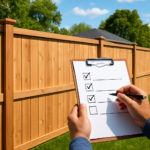
To start, demand that each contractor confirms five basics: identical scope, identical materials, same installation approach, identical warranty coverage, and a shared project timeline. If a quote omits any of these, treat it as non-comparable and ask for a revised bid.
- Scope and materials identical: fence height, length, post type, gate count, and finish must match across bids.
- Line-item breakdown: digging, concrete, permits, old fence removal, cleanup, and disposal must be itemized.
- Timeline and contingencies: include start date, expected duration, rain or wind contingency, and penalties or incentives.
- Warranty details: specify material warranty, labor warranty, covered components, and exclusions.
- Subcontractors and supervision: clarify who performs the work, on-site supervisor, and who handles warranty calls.
- References and evidence: request local Tampa projects and contact references; verify workmanship and on-time delivery.
Florida realities matter: permits, HOA approvals, hurricane-season scheduling, and salt air or termite exposure all influence long-term performance. Have the contractor spell out who handles permits, what permits cost, and what happens if weather stalls the work. Without that, a low bid can become a delay magnet.
Concrete example: You receive two Tampa quotes for a 6-foot privacy fence. Quote A is $8,000 for wood with standard posts, no permit handling, and a 1-year labor warranty. Quote B is $10,500 for vinyl, permits included, site prep, and a 5-year labor warranty plus a 15-year material warranty. Despite the higher upfront price, Quote B delivers better long-term stability and fewer hidden costs, illustrating why price alone is a poor guide to value.
Take care to compare like-for-like in every quote and insist on a formal line-item breakdown.
| Aspect | Quote A | Quote B |
|---|---|---|
| Material | Wood | Vinyl |
| Scope and site prep | Old fence removal, setup, basic cleanup | Old fence removal, site prep, gate installation, full cleanup |
| Warranty | 1-year labor; 5-year material | 5-year labor; 15-year materials |
| Permits included | No | Yes |
| Timeline | 2–3 days | 2–3 weeks |
| Total price | $8,000 | $10,500 |
Takeaway: insist on a written contract that mirrors the chosen quote—identical scope, permit responsibility, and clear warranty terms—so you can proceed with confidence.
6. After Installation: Warranties, Maintenance, and Local Support
After installation, warranties, maintenance, and local support determine whether you captured real value or bought a warranty that won't cover real problems. In Florida, weather, humidity, and coastal exposure accelerate wear, so read warranty language as a service agreement with real obligations, not marketing fluff.
Warranties come in two flavors: materials and labor. The material warranty covers the fence components, while the labor warranty covers workmanship. In Florida projects you’ll often see 10–20 year material terms and 1–5 year labor terms; transferability can preserve resale value. Watch for exclusions that void coverage: improper installation, damage from storms beyond design limits, neglect, or alterations without consent.
Concrete example: in a Tampa suburb, a homeowner chose a vinyl privacy fence with a 20-year material warranty and a 5-year labor warranty. When a storm loosened several posts in year three, the contractor honored the claim quickly and replaced the posts under the material warranty, with labor costs covered within the agreed window. The warranty remained transferable to the new owner, preserving resale value.
- What to verify in warranties: coverage scope (materials vs labor), duration, transferability, and claim process.
- Maintenance prerequisites: required upkeep to keep coverage valid and any documentation you must keep.
- Exclusions to watch for: improper installation, modifications, normal wear and tear, storm damage beyond design limits.
- Claims practicality: response times, on-site inspection requirements, and who foots travel or service charges.
- Transferability notes: how to reassign coverage if you sell the property and any conditions.
Maintenance tasks should be aligned with material and climate. For wood, expect sealing every 2–3 years and termite monitoring. Vinyl fences are low-maintenance but benefit from occasional washing to prevent staining. Metal components near salt air need periodic corrosion checks and hinge/latch lubrication. Keep vegetation trimmed back to reduce moisture retention and inspect posts annually for movement; document all service visits to avoid disputes.
Local support quality is the real differentiator. Confirm response times and whether repairs are handled by in-house crews or trusted partners. Ask for a published service protocol: who takes repairs, how parts are sourced, and how to reach someone after hours. A strong Tampa-area provider will offer a local service line, online ticketing, and a predictable turnaround, not vague promises.
Takeaway: require a written warranty and a documented maintenance plan with a local support pathway before finalizing any contract.