
Aluminum Fences 101: Benefits, Cost Expectations, and How to Pick the Best Aluminum Fence Company Near You
Are you searching for aluminum fence companies near me in the Tampa Bay area? This practical guide breaks down why aluminum fencing is durable and low maintenance, what drives cost, and a straightforward framework for evaluating local installers. You’ll finish with a clear sense of timelines, permits, and a path to a trusted Tampa-based option for tailored estimates and solid post-install support.
1. Aluminum Fence Benefits for Homes and Businesses
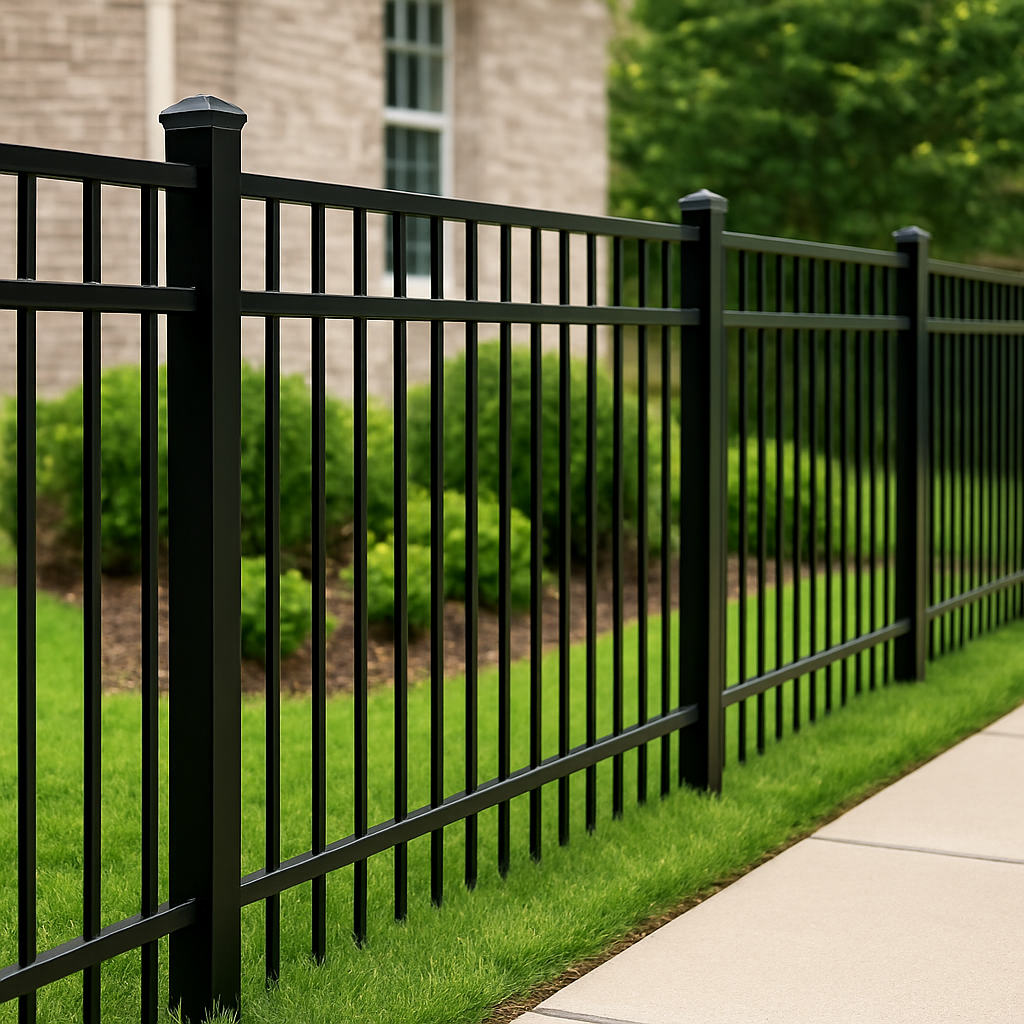
Aluminum fences are a durable, maintenance-light option for Tampa properties, especially in coastal zones where salt air and humidity accelerate deterioration of other materials. They deliver long-lasting curb appeal without the ongoing rot, warping, or pest problems that plague wood fences, and they stand up to Florida weather with minimal refinishing.
Compared with wood or steel, aluminum requires far less upkeep and resists corrosion, thanks to powder-coated finishes and corrosion-resistant alloys. A quick wash every year and occasional touch-ups keep color and luster intact, even after Florida’s intense sun and heavy rains, and the coating helps resist chalking and staining that plague lower-quality finishes.
Aesthetic versatility matters: you can choose from classic pickets to privacy-inspired profiles, and finishes range from white to bronze that resist fading in the sun. Matching trim, hardware, and height options let you tailor the fence to the home’s architecture.
Security and boundary definition come without heavy weight or visual bulk. Modern aluminum fences rely on sturdy posts, reinforced rails, and precise gate hardware to deliver reliable performance in windy, sandy environments while maintaining an open, welcoming look.
Concrete example: In a Tampa suburb, a homeowner swapped a rotting wooden fence for a 6-foot aluminum picket with a charcoal powder coat. After two years, there’s no rust, no peeling paint, and maintenance has been a handful of soap-and-water washes instead of monthly staining.
Key takeaway: maintenance predictability translates to lower lifecycle effort and costs compared with frequent wood upkeep.
Upfront costs can be higher than wood or vinyl, and color options may influence price. Budget for design choices, gate hardware, and potential permitting—especially if you’re in an HOA or historic district. Consider the long-term value of a powder-coated finish that resists UV fade and corrosion.
Final takeaway: work with a licensed local installer who can validate site conditions, confirm lead times, and provide a clear warranty path.
2. Cost Expectations: What Influences Aluminum Fence Pricing
Costs for aluminum fences vary, but anchor expectations to a few core drivers. Height and profile largely determine price; a 6-foot privacy design costs more than a 4-foot picket. Finish and color add cost due to powder coating and color matching. Gate hardware and automation push totals, especially with drive gates. Site conditions like soil quality and drainage affect post-setting, while permits and HOA approvals can add fees and extend timelines. In Tampa, installed price per linear foot generally falls in the low-to-mid tens of dollars, so quotes that don’t separate these factors are less reliable.
Concrete example: For 100 feet, a 6-foot privacy fence with bronze powder coating and one standard gate often lands in the $4,000–$7,000 range. A 100-foot, 4-foot white picket with two gates tends to be $2,800–$5,000. These scenarios show how height, finish, and gate count move the total. Always ensure quotes itemize height, finish, gates, and whether site prep is included.
Finish choices affect more than looks. Darker or specialty finishes can require more prep and carry a modest premium. Powder coatings matter for UV and corrosion resistance in Tampa, so ask for a finish warranty and maintenance guidance. If a contractor treats color as a generic add-on, push back and seek a clear breakdown.
Gate costs are often undercounted. A single manual gate with standard hardware might be $600–$1,200; adding automation can run $1,000–$2,500 depending on access points and control options. For multiple gates or heavier access, budget higher. A thoughtful gate plan adds convenience and security but raises price versus a simple run.
Site and permitting can shift timelines and total price more than you expect. Tampa-area neighborhoods may require permits and HOA review, adding a few hundred dollars and weeks. Ask the contractor to include permitting in the quote and provide a clear milestone timeline.
Long-term value: aluminum fences resist rust and are maintenance-light, often lasting decades. While upfront costs can be higher than wood, maintenance savings and lifespan frequently tilt the total cost of ownership in favor of aluminum over time.
3. How to Pick a Aluminum Fence Company Near You
In practice, the pick hinges on two things: local relevance and reliable execution. Start with licensed, insured contractors who have recent Tampa-area aluminum fencing projects.
Use a framework that prioritizes portfolio relevance, written scope, and post-install support. Vetting isn't about the cheapest bid; it's about who will stand behind the work when gates need adjustment after a Tampa storm or a hot summer.
The core decision framework here: license and insurance, portfolio review, detailed quotes with material specs and warranties, realistic lead times, and clear post-install support. Each step filters risk and aligns with local codes and HOA rules.
- License and insurance: Confirm active license, workers comp, and general liability; ask for endorsements specific to fencing.
- Portfolio relevancy: Look for residential aluminum fencing in climates similar to Tampa; note gate hardware and post spacing in photos.
- Written scope and warranty: Demand a bill of materials, finish type, post spacing, permit handling, and a multi-year warranty.
- Lead times and permits: Get a timeline that includes site prep, post setting, gate installation, and any HOA approvals.
- References and site checks: Call recent clients with similar property layouts and ask about cleanup, timeliness, and aftercare.
Real-world example: a South Tampa homeowner compared three local aluminum fence providers. Each contractor showed three completed projects within a mile of the home, all with powder-coated finishes and driveway gate options. The chosen contractor offered a 3-week lead time, included permit coordination, and performed post-install alignment checks within 48 hours of install.
Watch for trade-offs: the lowest bid often hides longer lead times or less robust post anchors. Prioritize a dependable installer who documents material specs and guarantees, even if it costs a touch more upfront.
If you’re in Tampa, consider engaging a local metal fencing services team with a visible portfolio and a flexible on-site assessment timeline. A reputable local provider builds a relationship from day one, ensuring your aluminum fence remains maintenance-free and compliant.
Next step: reach out for on-site assessments from two to three nearby aluminum fence contractors, and compare the quotes side by side for scope, warranty, and timing.
4. Styles, Finishes, and Installation Considerations
Styles and finishes are not afterthoughts here; they drive install complexity and long-term performance as much as height does. When you install aluminum, you’re choosing a system built around lightweight strength, not heavy iron. The big decision is which profile and finish you pick, because those choices change post spacing, rail counts, and how the fence behaves in Tampa’s wind and sun.
There are four main profiles worth considering as you map style to function:
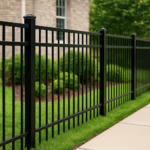
- Picket profiles — thin rails, visible gaps, classic cadence. Ideal for front yards, they give an open feel while marking boundaries.
- Privacy profiles — solid panels with minimal gaps. Best for backyards, wind protection, and noise reduction, but with a heavier visual footprint.
- Semi-privacy profiles — a middle ground with small gaps. They balance visibility and screening, useful along side yards or pool surrounds.
- Full-privacy / ornamental profiles — minimal gap between rails or decorative tops. Used in pool enclosures or higher-end settings where luxury lines matter.
Finish matters: powder-coated finishes are standard and extend color life in sun and salt air. Colors range from black and bronze to white and tan. Darker finishes can look sleek and modern but may reveal scratches sooner; lighter colors hide scuffs longer but can fade if the coating isn't top-tier. In Tampa, UV-resistant and salt-air–tolerant coatings are a must.
Height and gate configurations shape security and access. Residential options typically run 4 to 6 feet, with 4 feet common for pool areas and 6 feet for higher boundary privacy. Gate hardware and automation add both cost and reliability considerations, so specify heavy-duty hinges, rated latches, and wind-load calculations in the quote.
Installation factors matter as much as the design. Post spacing is typically 6 to 8 feet, with 8 feet common for longer runs; mis-sizing posts or neglecting drainage leads to sagging, leaning, and costly rework. Example from a Tampa yard near a pool: a 6 ft privacy fence with 8 ft post spacing required deeper holes and reinforced footings to handle wind loads, and the gate was upgraded with a heavy-duty hinge and latch—the project took about two days on a straightforward lot.
Permits and HOA compliance can't be an afterthought. Most Tampa neighborhoods require permits and HOA approval, and a qualified contractor will handle filings and ensure setbacks and gate clearances. Always ask for a written plan that shows post locations, gate swing, and material specs so you can compare apples to apples.
Takeaway: Start by listing your preferred profiles and finishes, then map those to site conditions and local rules. Get a written, itemized quote that includes post spacing, footing methods, and gate specs, and choose a local aluminum fence contractor with proven Tampa experience.
5. What to Expect When Working with a Pro: From Quote to Guarded Install
In practice, the quote-to-install journey for aluminum fencing follows a tight, verifiable sequence. It starts with a site assessment and precise measurements that feed a written scope: post spacing, panel profiles, color finish, and gate hardware. The contractor should verify utilities, property lines, and any existing conditions that affect install depth and anchoring. A solid quote reflects these realities rather than a best guess.
Permitting and HOA review are not afterthoughts. In Tampa, a permit can take days to weeks depending on city rules and HOA requirements. A typical project includes permit coordination by the contractor with a documented plan showing post locations, gate placement, and access routes. Delays often come from slow HOA responses rather than the fence crew.
Installation workflow after approvals is concrete. A crew arrives with posts set in concrete, panels attached and aligned, gates hung and tested, and a site-cleanup pass to minimize disruption. Real-world sequence for a 60-foot run: posts set and braced day one, panels attached day two, gate alignment and latch test day two, final inspection and cleanup day three if weather cooperates.
Warranty and aftercare are an integral part of value. Most aluminum fences carry a durable powder-coated finish with long warranties, often 20 years on finish and 1-2 years on hardware; some brands offer longer guarantees on frame components. Expect guidance on maintenance: gentle washing to remove dirt and periodic checks of hardware and gate lubrication.
Realistic timelines require planning around seasonality and permits. Lead times depend on supplier stock, crew availability, and weather; Tampa storms can squeeze windows. Build a project calendar with milestones and a clear cadence for updates so you know when decisions are needed and who is responsible for permits, site prep, and inspections.
6. Why Choose Vilo Fence for Aluminum Fences in Tampa
In Tampa, selecting a local aluminum fence contractor is a practical risk management move. Vilo Fence operates with a Tampa footprint, giving you closer project management, faster permitting coordination, and dependable aftercare. The team concentrates on durable, maintenance-light aluminum fencing across residential, commercial, and light industrial projects, with finishes tuned to resist salt spray and sun fade.
Practical insight: HOA approvals and permits aren’t elective steps; they shape your options and the install schedule. Example: a waterfront South Tampa project required a pool-safety fence with a specific color. Vilo handled the HOA review, submitted permits, and delivered a powder-coated finish on time, avoiding typical coastal delays.
Process matters. Vilo offers a complimentary on-site assessment, an itemized quote, and clear finish choices with stated lead times. If site conditions demand extra posts or trenching, they provide revised quotes quickly so there are no surprises when work begins.
Reality check: you may pay a bit more upfront for local, licensed professionals who stand behind their work, but you gain dependable warranty coverage, predictable schedules, and responsive post install support that pays off over the life of the fence.
Next steps to begin: schedule a complimentary on-site assessment, gather HOA documents, and review material specs, finish options, and warranty terms. Vilo will align lead times with your calendar and HOA deadlines, and present a fixed-price proposal before any work starts.
- Complimentary on-site assessment
- Itemized, fixed-price quote
- Clear lead times and HOA/permitting support
- Flexible scheduling around calendar constraints
Takeaway: for Tampa properties, prioritize a local aluminum fence contractor with demonstrated project experience, clear warranties, and a plan for HOA coordination – and start with a complimentary assessment from Vilo Fence.