

7 Critical Things to Know Before Installing Your New Fence
Introduction
So, you’re ready to transform your backyard into a fortress of style and security with a brand new fence? Whether you’re dreaming of a chic picket fence or a robust privacy fence, the journey of fence installation can be as thrilling as it is daunting. But hold your horses (or should I say, hold your hammers)! Before you dive headfirst into this project, there are some critical things you need to know.
Installing a fence isn’t just about picking out the prettiest boards or the fanciest materials; it’s about understanding your space, navigating local regulations, and choosing the right professionals or deciding if you’re going full DIY. And believe me, knowing these essentials can save you from costly mistakes and headaches down the line.
In this guide, we’ll walk through seven crucial aspects of fence installation that every homeowner should consider. From selecting the right type of fencing be it wooden, vinyl, or even trendy aluminum fences to understanding costs and maintenance requirements, we’ve got you covered. So grab your measuring tape and let’s get started on this fencing adventure!

1. Understanding Your Property Lines
Before you start dreaming about your new fence and how it will transform your backyard into a private oasis, it’s crucial to understand the boundaries of your property. Think of it as the invisible lines that define your territory like a game of capture the flag but with fewer children and more tools.
So, what do you need to know? Let’s break it down:
- Importance of Property Surveys: First things first, get a property survey done. This is not just some fancy piece of paper; it’s your golden ticket to knowing exactly where your land ends and your neighbor’s begins. A survey can help prevent awkward conversations (or disputes) with neighbors about who actually owns that lovely patch of grass.
- Local Regulations and Zoning Laws: Every area has its own set of rules when it comes to fence installation. Some places might have height restrictions for fences (no one wants a fortress in their backyard), while others may require permits. Check with local zoning laws before you start digging holes or calling fence contractors.
Tip: Most local fence companies near you can provide insights into regulations specific to your neighborhood. They often have experience navigating these waters!
Understanding property lines is not just about avoiding disputes; it’s also about maximizing the benefits of your fence installation. Whether you’re opting for a privacy fence, decorative garden fencing, or even security fencing, knowing where you can legally place it will save you time, money, and potential headaches down the line.
So grab that survey map and channel your inner land surveyor before making any big decisions! And remember, if you’re ever in doubt, consulting with professional fence builders can help clarify any gray areas.
2. Choosing the Right Type of Fence
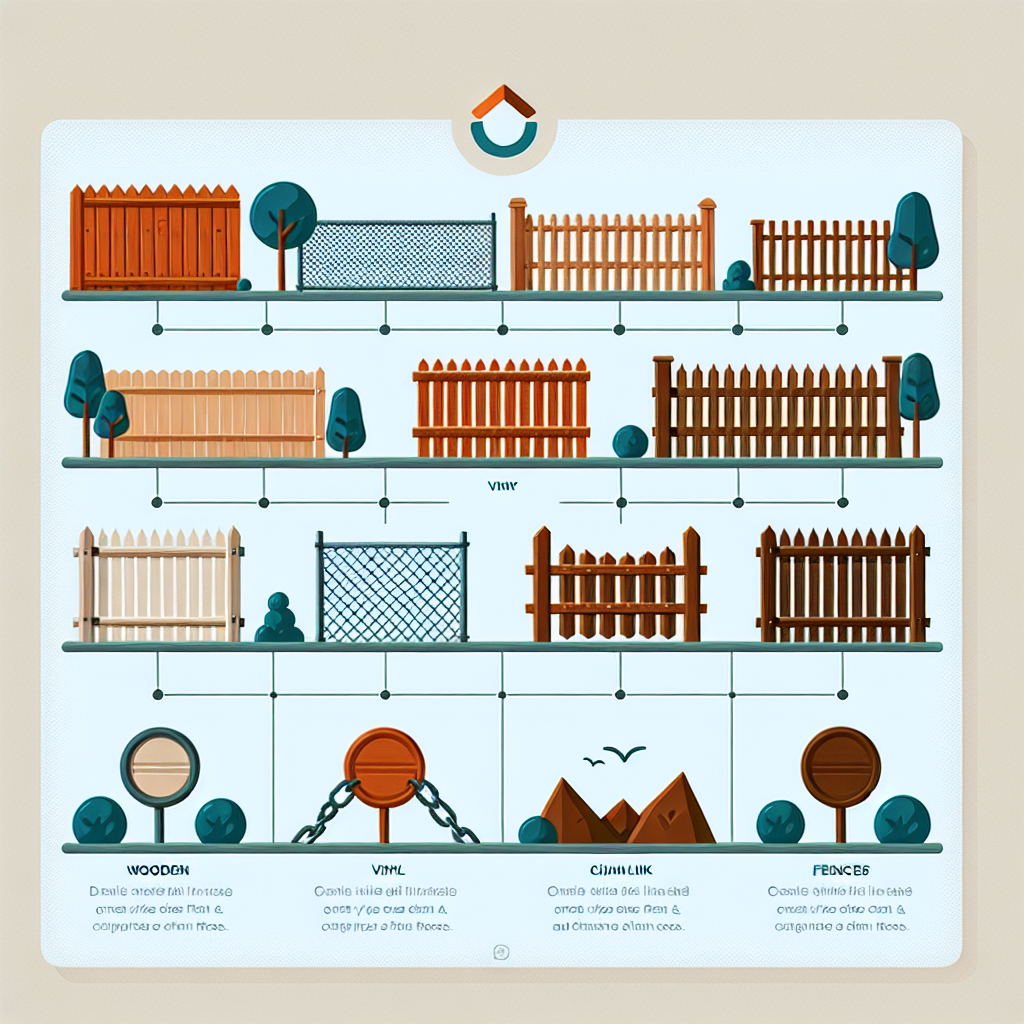
When it comes to fence installation, the options can feel as endless as a buffet line at a wedding. Do you want something traditional like a picket fence, or are you leaning towards modern styles like aluminum or vinyl? Let’s break down some popular choices so you can make an informed decision.
Wooden Fence Installation Options
Ah, the classic wooden fence! It’s like the little black dress of fencing timeless and versatile. Wooden fences can provide a cozy, rustic feel to your backyard and can be customized into various styles, from privacy fences to decorative garden fencing.
- Pros: Aesthetic appeal, customizable designs, good for privacy.
- Cons: Requires regular maintenance (hello, wood rot!), and it can be susceptible to pests.
Vinyl Fence Installation Benefits
If you’re looking for something low-maintenance that still looks sharp, vinyl might be your new best friend. These fences come in various colors and styles and are resistant to fading and weathering.
- Pros: Durable, easy to clean, no painting required!
- Cons: Higher upfront cost compared to wood.
Chain Link Fence Installation Considerations
If security is your main concern (or if you’re just trying to keep the neighbor’s dog from using your yard as a bathroom), chain link fences are a solid choice. They’re often used in both residential and commercial fencing.
- Pros: Affordable, durable, great visibility.
- Cons: Not very private unless you add slats or fabric.
Comparing Residential and Commercial Fencing Needs
Your fencing needs can vary dramatically based on whether it’s for residential or commercial purposes. Residential fencing often focuses on aesthetics and privacy, while commercial fencing leans more towards security and durability.
Key Takeaway: Think about what you need most privacy for your backyard BBQs or security for your business premises. This will guide your choice significantly!
3. Evaluating Fence Installation Costs
When it comes to fence installation, understanding the costs involved can feel like trying to solve a Rubik’s Cube blindfolded. But fear not! We’re here to break it down for you in a way that even your dog would understand (if they could read, of course).
Factors Influencing Fence Installation Cost
The cost of installing a fence can vary dramatically based on several factors. Here are some key elements that will make your wallet either weep or rejoice:
- Material Choice: The type of material you choose plays a significant role. For instance, a wooden fence installation might be cheaper upfront than a wrought iron fence, but wooden fences typically require more maintenance.
- Size and Length: Bigger backyards mean more fencing! Measure your space accurately to avoid any surprises.
- Labor Costs: Hiring professional fence installers can add to the cost, but it often saves you time and potential headaches.
- Permits and Regulations: Depending on where you live, you might need permits that can add to the overall cost.
Cost Comparisons Between Different Materials
Let’s get down to brass tacks with some numbers. Here’s a quick comparison of average costs per linear foot for various fencing materials:
| Material | Average Cost per Linear Foot |
|---|---|
| Wooden Fences | -$10 to $45 per linear foot installed |
| Vinyl Fences | –$15 and $40 per linear foot |
| Chain Link Fences | -$10 to $40 |
| Aluminum Fences | -$25 – $45 per linear foot |
| wrought Iron Fences | -between $25 and $100 per linear foot |
Affordable Fence Options for Budget-Conscious Homeowners
If you’re working with a tight budget but still want something that looks great, consider these options:
- Chain link fences: A practical choice for those who prioritize functionality over aesthetics.
- DIY wooden fences: With some basic tools and skills, you could save on labor costs by tackling this project yourself.
- Vinyl fencing sales: Keep an eye out for seasonal sales or clearance items from local fence companies near you.
The key takeaway here? When evaluating your fence installation costs, consider all aspects from materials to labor before making a decision. This way, you’ll not only stay within budget but also ensure your new boundary looks fabulous!
</section >
4. Selecting the Right Fence Contractors and Builders
Choosing the right fence contractors and builders is like picking a partner for a dance if they can’t keep up, you’re going to step on some toes! So, let’s make sure you find the perfect fit for your fence installation project.
What to Look for in Professional Fence Installers
The best fence installers are not just about digging holes and hammering nails; they are your partners in creating a boundary that suits your style and needs. Here’s what to keep an eye out for:
- Experience: Look for contractors with a solid track record in various types of fencing be it wooden, vinyl, or even wrought iron fences.
- Portfolio: Ask for examples of previous work. A picture is worth a thousand words, and you want to see how their installations have held up over time.
- Licensing and Insurance: Ensure they are licensed to operate in your area and have insurance to protect you from any mishaps during installation.
- Warranty: A good contractor will offer warranties on both materials and labor. This shows they stand behind their work!
The Importance of Local Fence Services and Reviews
Your local fence companies near you can be a treasure trove of knowledge! They know the ins and outs of local regulations, soil types, and climate conditions that can affect your fence installation. Plus, reviews from previous customers can give you insights into their reliability:
- Check Online Reviews: Websites like Yelp or Google Reviews can provide honest feedback from fellow homeowners.
- Avoid Red Flags: If multiple reviews mention poor communication or unfinished work, steer clear!
- Ask Around: Your neighbors or friends might have recommendations based on their own experiences with local contractors.
Questions to Ask Potential Contractors Before Hiring
You wouldn’t marry someone without asking them some tough questions first so why would you hire a contractor without doing the same? Here are some must-ask questions:
- What is your estimated timeline?
- Can you provide references?
- What materials do you recommend for my project?
- Aren’t there any hidden fees I should know about?
- How do you handle unexpected issues during installation?

Selecting the right contractor can save you time, money, and stress. Take the time to research, ask questions, and choose wisely your future self will thank you!
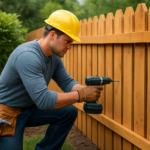
5. DIY vs. Professional Installation: What You Need to Know
When it comes to fence installation, you might feel like a superhero ready to take on the world with a toolkit in hand. But before you don that cape, let’s break down the pros and cons of DIY fence installation versus hiring professional fence installers.
Diy Fence Installation Tips for Beginners
If you’re itching to roll up your sleeves and get your hands dirty, here are some tips to ensure your DIY project doesn’t turn into a DIY disaster:
- Do Your Research: Familiarize yourself with the materials whether it’s wooden, vinyl, or chain link and choose the best fencing materials for your project.
- Plan Ahead: Measure twice, cut once! Create a detailed plan that includes layout, materials needed, and local regulations.
- Gather Your Tools: Make sure you have all necessary tools like post hole diggers, levelers, and maybe even some snacks (because who doesn’t need fuel?).
- Consult Local Regulations: Ensure your fence complies with local building codes and zoning laws nobody wants a surprise visit from the fence police!
The Pros and Cons of Hiring Professional Fence Installers
If you’re leaning towards hiring professionals (and who could blame you?), here’s what to consider:
- Pros:
- Expertise: Professional fence contractors know their stuff. They’ll ensure that your fence is installed correctly and efficiently.
- Time-Saving: Let’s be honest time is money. Hiring pros means you can kick back while they do the heavy lifting.
- Quality Assurance: Many fence companies offer warranties on their work. If something goes wrong later, you’re covered!
- Cons:
- Cost: Professional installation can be pricey depending on the type of fencing material and labor costs in your area.
- Less Control: You might not have as much say in how things are done compared to a DIY project where every nail is yours!
Tips for Ensuring Quality in DIY Projects vs. Hiring Professionals
If you’re going the DIY route but still want a professional finish, consider these pointers:
- Select Quality Materials: Invest in durable fencing materials like aluminum or eco-friendly options that won’t warp or rot.
- Aim for Precision: Use tools like levels and measuring tapes to ensure everything lines up perfectly after all, nobody wants a lopsided picket fence!
- Sneak in Some Help: Don’t hesitate to call in friends or family for an extra set of hands; two heads are better than one when digging post holes!
- If All Else Fails…: Know when it’s time to call the professionals! Sometimes it’s best to leave it to those who do this every day.
6. Understanding Maintenance Requirements for Different Fences
When it comes to fence installation, one of the most crucial aspects often overlooked is maintenance. Think of your fence as a family pet: it needs care, attention, and the right environment to thrive! Here’s a breakdown of what you need to know about keeping your fence in tip-top shape.
- Maintenance-free fences options: If you’re looking for something that requires minimal upkeep, consider materials like vinyl or aluminum. These options resist rot, warping, and pests, making them ideal for those who want a beautiful fence without the hassle.
- Caring for wooden fences: Wooden fences are like fine wine; they get better with age but require some TLC. Regularly check for signs of decay and apply a protective sealant every few years to keep moisture at bay. And remember, wood loves a good cleaning pressure wash it occasionally to remove dirt and mildew!
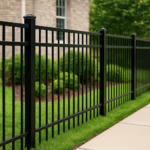
- Vinyl vs. metal fences: Vinyl fences are champions in low maintenance just a simple wash with soap and water will do! On the other hand, metal fences like aluminum and wrought iron may need occasional rust treatment or repainting to maintain their luster.
- Noise reduction fences: If you’re investing in noise reduction fences ideas, be aware they might require more frequent checks. Ensure that any gaps are sealed properly and that the materials remain intact to keep those pesky sounds at bay.
Takeaway: Different fencing materials come with their own set of maintenance requirements. Choose wisely based on how much time you’re willing to invest in upkeep!

7. Complying with Local Regulations and Safety Standards
Before you dive headfirst into your fence installation, take a moment to consider the legal landscape surrounding your new boundary. It’s not just about aesthetics; it’s about safety, legality, and avoiding future headaches.
First up, let’s talk about pool fencing regulations. If you have a pool (or plan to install one), you’ll need to adhere to strict guidelines that vary by location. Many areas require that pool fences be at least four feet tall, with self-closing gates that latch securely. This is crucial for keeping little ones and pets safe from accidental splashes. Always check your local ordinances or consult with fence companies near you to ensure compliance.
Key Takeaway: Ignoring pool fencing regulations can lead to hefty fines or worse safety risks.
The Importance of Boundary Fences Installation Guide Compliance
Your chosen fence style be it a sleek aluminum fence installation or a rustic wooden fence installation must comply with local codes as well. Many municipalities have specific rules regarding height, materials, and placement of fences, especially in residential areas. A good rule of thumb is to check with your local building department before breaking ground.
- Check Local Zoning Laws: Make sure your fence doesn’t cross property lines or violate height restrictions.
- Permits: Some areas require permits for certain types of fencing installations especially larger projects like commercial fencing.
- Homeowners Associations (HOAs): If you live in an area governed by an HOA, they may have additional rules regarding fence styles and colors.
Additionally, consider the type of fence you’re installing. For example, if you’re thinking about adding a privacy fence or garden fencing, ensure it meets local standards for visibility and safety. And don’t forget about those pesky noise reduction fences ideas if you live in a bustling neighborhood!
Avoiding Common Misconceptions
A common mistake many homeowners make is assuming that once they’ve installed their fence, they’re done! Not true! Regular maintenance checks are essential for ensuring compliance with any evolving regulations or safety standards over time.
The bottom line? When it comes to your fence installation project, being proactive about understanding and complying with local regulations will save you time and money in the long run. So roll up those sleeves (or call in the pros) and get ready to build something beautiful and legal!