
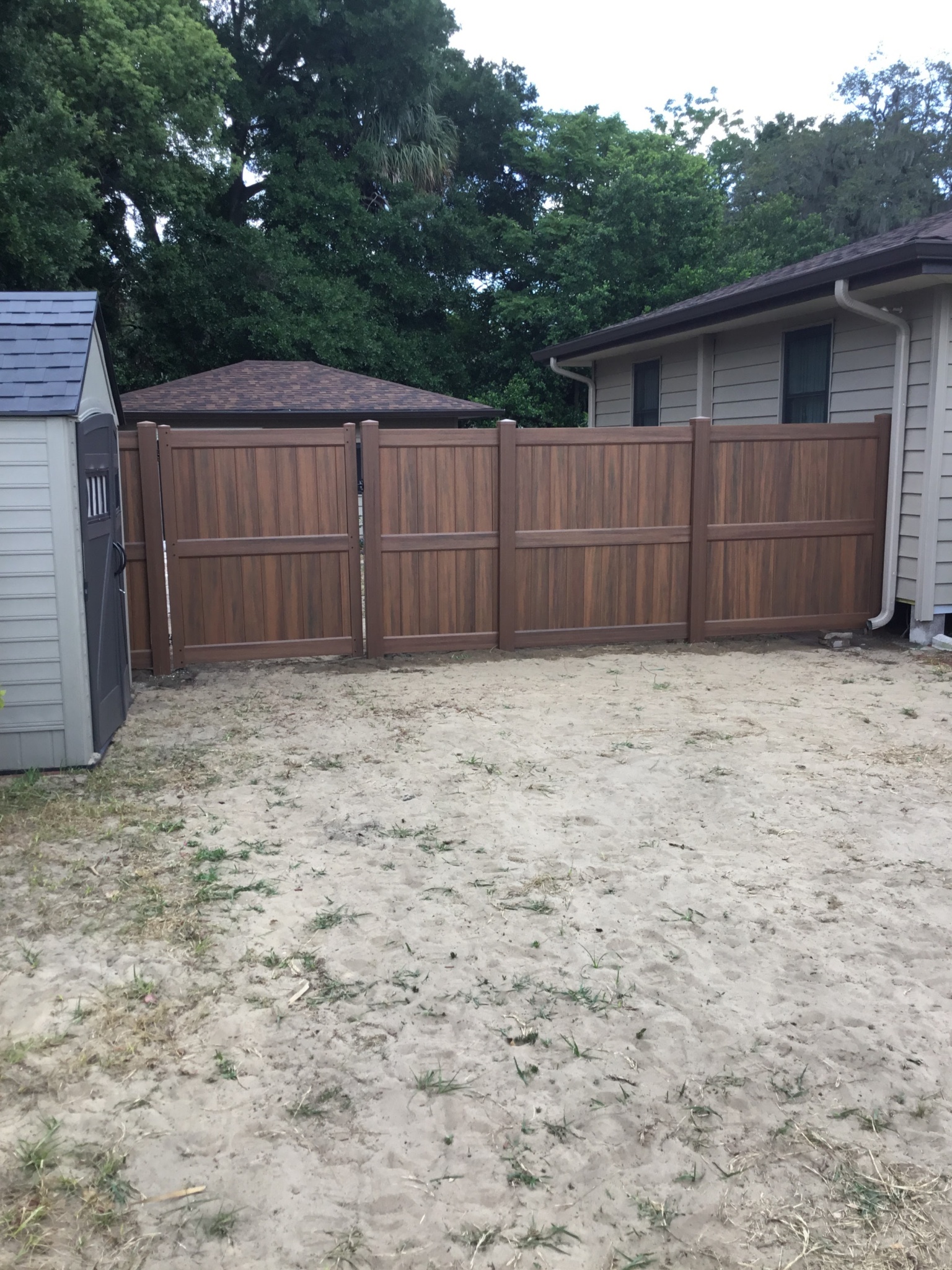
Top Fence Builders Near You: Finding Quality Installation in Your Area
Evaluating Local Fence Builders: Key Factors to Consider
When searching for fence builders near me, the experience and expertise of potential contractors in various fencing materials should be a primary consideration. Experienced builders are more likely to navigate challenges effectively and deliver a quality installation that meets your specific needs.
Experience and Expertise in Various Fencing Materials
Not all fence builders have the same level of proficiency with different materials. For instance, wood fencing requires knowledge about weather resistance and maintenance, while vinyl may involve understanding UV stability. A builder who specializes in multiple materials can provide insights on the best option for your property based on climate, aesthetics, and durability.
However, relying solely on a builder's experience can lead to oversight. Some contractors may overemphasize their capabilities without having substantial hands-on experience with specific materials. This can result in subpar installations or higher long-term maintenance costs. Therefore, asking for project portfolios or case studies that showcase their work with diverse materials is essential.
Customer Reviews and Testimonials as Indicators of Quality
Fence builders near me often come with varying customer reviews that reflect their reliability and quality of work. Positive testimonials can indicate a builder's commitment to customer satisfaction, while negative reviews may highlight potential issues such as poor communication or inadequate workmanship.
Word-of-mouth recommendations from local homeowners can also be invaluable. Engaging with neighbors who have recently completed similar projects provides real-world insights into what you might expect from a builder's service.
Beware of overly positive reviews; they may not provide a complete picture.
Licensing and Insurance Requirements for Fence Builders
Licensing and insurance are non-negotiable factors when evaluating fence builders. A licensed contractor typically adheres to local regulations and building codes, ensuring that your fence is compliant with municipal standards. Additionally, insurance protects you from liability in the event of accidents during installation.
However, not all states have stringent licensing requirements for fence builders. This variability means some unlicensed contractors may offer lower prices but could pose risks regarding quality assurance or legal recourse if issues arise post-installation. Always verify credentials before making a hiring decision.
When searching for fence builders near me, the experience and expertise of potential contractors in various fencing materials should be a primary consideration. Experienced builders are more likely to navigate challenges effectively and deliver a quality installation that meets your specific needs.
Experience and Expertise in Various Fencing Materials
Not all fence builders have the same level of proficiency with different materials. For instance, wood fencing requires knowledge about weather resistance and maintenance, while vinyl may involve understanding UV stability. A builder who specializes in multiple materials can provide insights on the best option for your property based on climate, aesthetics, and durability.
However, relying solely on a builder's experience can lead to oversight. Some contractors may overemphasize their capabilities without having substantial hands-on experience with specific materials. This can result in subpar installations or higher long-term maintenance costs. Therefore, asking for project portfolios or case studies that showcase their work with diverse materials is essential.
Customer Reviews and Testimonials as Indicators of Quality
Fence builders near me often come with varying customer reviews that reflect their reliability and quality of work. Positive testimonials can indicate a builder's commitment to customer satisfaction, while negative reviews may highlight potential issues such as poor communication or inadequate workmanship.
Word-of-mouth recommendations from local homeowners can also be invaluable. Engaging with neighbors who have recently completed similar projects provides real-world insights into what you might expect from a builder's service.
Beware of overly positive reviews; they may not provide a complete picture.
Licensing and Insurance Requirements for Fence Builders
Licensing and insurance are non-negotiable factors when evaluating fence builders. A licensed contractor typically adheres to local regulations and building codes, ensuring that your fence is compliant with municipal standards. Additionally, insurance protects you from liability in the event of accidents during installation.
However, not all states have stringent licensing requirements for fence builders. This variability means some unlicensed contractors may offer lower prices but could pose risks regarding quality assurance or legal recourse if issues arise post-installation. Always verify credentials before making a hiring decision.
Types of Fencing Solutions Offered by Local Builders
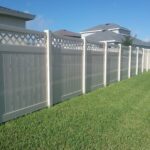
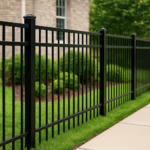
Local fence builders near me typically offer a variety of fencing solutions, each with distinct advantages and applications. Wood, vinyl, chain-link, and metal fencing options cater to different needs, aesthetics, and budgets. For instance, wood fences provide a classic look and can be customized easily but require regular maintenance to prevent deterioration. Vinyl fences are low-maintenance and durable but may not offer the same aesthetic appeal as wood. Chain-link is cost-effective and functional for security but lacks privacy unless enhanced with slats or vegetation. Metal fencing offers strength and longevity but can be more expensive upfront.
Custom vs. Pre-Fabricated Fencing Solutions
Choosing between custom and pre-fabricated fencing solutions often depends on specific project requirements. Custom fences are tailored to fit unique landscapes or design preferences, making them ideal for properties with irregular shapes or specific aesthetic goals. However, they usually come at a higher cost and longer installation times. Pre-fabricated options are quicker to install and generally more affordable but may not meet all design aspirations or site-specific needs.
Special Considerations for Commercial versus Residential Fencing
When evaluating fencing options, it's crucial to distinguish between commercial and residential needs. Commercial fencing often prioritizes security and durability over aesthetics; therefore, options like high-security chain-link or solid metal barriers are common choices. In contrast, residential fencing typically balances aesthetics with functionality, making wood or vinyl popular choices for curb appeal while ensuring privacy. Misunderstanding these distinctions can lead to inappropriate material selection that either fails to meet regulatory standards or does not serve the intended purpose effectively.
Important: Assess your specific needs before selecting a fencing solution.
Local fence builders near me typically offer a variety of fencing solutions, each with distinct advantages and applications. Wood, vinyl, chain-link, and metal fencing options cater to different needs, aesthetics, and budgets. For instance, wood fences provide a classic look and can be customized easily but require regular maintenance to prevent deterioration. Vinyl fences are low-maintenance and durable but may not offer the same aesthetic appeal as wood. Chain-link is cost-effective and functional for security but lacks privacy unless enhanced with slats or vegetation. Metal fencing offers strength and longevity but can be more expensive upfront.
Custom vs. Pre-Fabricated Fencing Solutions
Choosing between custom and pre-fabricated fencing solutions often depends on specific project requirements. Custom fences are tailored to fit unique landscapes or design preferences, making them ideal for properties with irregular shapes or specific aesthetic goals. However, they usually come at a higher cost and longer installation times. Pre-fabricated options are quicker to install and generally more affordable but may not meet all design aspirations or site-specific needs.
Special Considerations for Commercial versus Residential Fencing
When evaluating fencing options, it's crucial to distinguish between commercial and residential needs. Commercial fencing often prioritizes security and durability over aesthetics; therefore, options like high-security chain-link or solid metal barriers are common choices. In contrast, residential fencing typically balances aesthetics with functionality, making wood or vinyl popular choices for curb appeal while ensuring privacy. Misunderstanding these distinctions can lead to inappropriate material selection that either fails to meet regulatory standards or does not serve the intended purpose effectively.
Important: Assess your specific needs before selecting a fencing solution.
Understanding the Installation Process: What to Expect
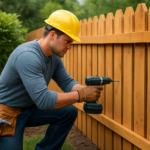
The installation process for fencing is often more involved than many homeowners anticipate. Understanding what to expect helps in selecting the right fence builders near me and ensures a smoother project experience.
Initial Site Assessment and Consultation Procedures
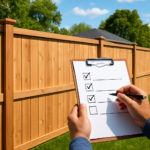
A thorough site assessment is critical before any installation begins. This initial consultation typically involves evaluating the property, discussing design preferences, and identifying potential challenges such as uneven terrain or existing landscaping. Builders should provide a detailed estimate based on this assessment, including material options and labor costs.
However, not all builders approach this stage with the same level of diligence. Some may rush through assessments to expedite quotes, leading to unforeseen complications later on. Homeowners should insist on a comprehensive evaluation to avoid these pitfalls.
Timeline from Quote to Completion of Installation
Once you receive a quote, the timeline for project completion can vary significantly based on factors like material availability and weather conditions. Generally, a straightforward residential fence installation might take anywhere from one to three days after the agreement is signed; however, custom designs or complex installations could extend this timeframe.
Expect delays if there are permitting issues or unexpected site conditions.
Most homeowners underestimate how long permits can take, says an experienced contractor. 'It's not uncommon for this process to add weeks to your timeline.' Understanding these potential delays upfront allows for better planning and sets realistic expectations.
Post-Installation Services Such as Maintenance or Repairs
Post-installation support is often overlooked during the selection process, notes a seasoned fence builder. Quality builders will offer maintenance services or warranties that cover repairs for specific periods. This aspect is crucial in ensuring your investment remains protected against wear and tear over time.
Many homeowners mistakenly believe their responsibilities end once the installation is complete, he adds. Failing to engage with builders about ongoing maintenance can lead to costly repairs down the line. It's advisable to inquire about what services are included post-installation and how they can assist in maintaining your fence's integrity.
The installation process for fencing is often more involved than many homeowners anticipate. Understanding what to expect helps in selecting the right fence builders near me and ensures a smoother project experience.
Initial Site Assessment and Consultation Procedures
A thorough site assessment is critical before any installation begins. This initial consultation typically involves evaluating the property, discussing design preferences, and identifying potential challenges such as uneven terrain or existing landscaping. Builders should provide a detailed estimate based on this assessment, including material options and labor costs.
However, not all builders approach this stage with the same level of diligence. Some may rush through assessments to expedite quotes, leading to unforeseen complications later on. Homeowners should insist on a comprehensive evaluation to avoid these pitfalls.
Timeline from Quote to Completion of Installation
Once you receive a quote, the timeline for project completion can vary significantly based on factors like material availability and weather conditions. Generally, a straightforward residential fence installation might take anywhere from one to three days after the agreement is signed; however, custom designs or complex installations could extend this timeframe.
Expect delays if there are permitting issues or unexpected site conditions.
Most homeowners underestimate how long permits can take, says an experienced contractor. 'It's not uncommon for this process to add weeks to your timeline.' Understanding these potential delays upfront allows for better planning and sets realistic expectations.
Post-Installation Services Such as Maintenance or Repairs
Post-installation support is often overlooked during the selection process, notes a seasoned fence builder. Quality builders will offer maintenance services or warranties that cover repairs for specific periods. This aspect is crucial in ensuring your investment remains protected against wear and tear over time.
Many homeowners mistakenly believe their responsibilities end once the installation is complete, he adds. Failing to engage with builders about ongoing maintenance can lead to costly repairs down the line. It's advisable to inquire about what services are included post-installation and how they can assist in maintaining your fence's integrity.
Budgeting for Your Fence Project: Cost Breakdown
Understanding the cost breakdown of your fencing project is essential for effective budgeting. The total expense can vary significantly based on several factors, making it crucial to grasp what influences these costs.
Factors Influencing the Cost of Fencing Installation
Several elements impact the overall cost of hiring fence builders near me. Material choice is a primary factor; for instance, wood may be less expensive initially but incurs higher maintenance costs over time compared to vinyl. Labor rates also fluctuate based on local market conditions and the complexity of the installation. Terrain challenges, such as uneven ground or existing structures, can necessitate additional work, further increasing costs.
It's important to note that while some homeowners prioritize low upfront costs, this approach can lead to greater expenses down the line due to maintenance or replacement needs. Therefore, evaluating long-term value rather than just initial price is critical.
Average Pricing for Different Types of Fences in Your Area
In general, average pricing varies by material type and location. For example, wood fences may range from to per linear foot in many areas, while vinyl options typically fall between and per linear foot. Chain-link fences are often more budget-friendly at about to per linear foot, but they offer less privacy and aesthetic appeal.
Most homeowners underestimate how much regional differences can play into these prices, says a local contractor. Urban areas usually see higher labor rates due to demand. This insight underscores why potential buyers should gather multiple quotes from various fence builders near me to ensure they are receiving competitive pricing.
Hidden Costs to Be Aware of During the Installation Process
Hidden costs can derail a budget if not anticipated. Common examples include permit fees required by local municipalities or unexpected expenses related to site preparation, such as tree removal or grading work. Additionally, homeowners often overlook potential damage to landscaping during installation that could require further investment.
Always ask your contractor about possible hidden fees before signing a contract.
Many clients mistakenly believe that once they have a quote, their budget is set, notes an experienced builder. 'In reality, it's essential to discuss all potential variables upfront.' By addressing these issues early in the planning phase, you can avoid unpleasant surprises later and maintain control over your budget.
Understanding the cost breakdown of your fencing project is essential for effective budgeting. The total expense can vary significantly based on several factors, making it crucial to grasp what influences these costs.
Factors Influencing the Cost of Fencing Installation
Several elements impact the overall cost of hiring fence builders near me. Material choice is a primary factor; for instance, wood may be less expensive initially but incurs higher maintenance costs over time compared to vinyl. Labor rates also fluctuate based on local market conditions and the complexity of the installation. Terrain challenges, such as uneven ground or existing structures, can necessitate additional work, further increasing costs.
It's important to note that while some homeowners prioritize low upfront costs, this approach can lead to greater expenses down the line due to maintenance or replacement needs. Therefore, evaluating long-term value rather than just initial price is critical.
Average Pricing for Different Types of Fences in Your Area
In general, average pricing varies by material type and location. For example, wood fences may range from $15 to $30 per linear foot in many areas, while vinyl options typically fall between $20 and $40 per linear foot. Chain-link fences are often more budget-friendly at about $10 to $20 per linear foot, but they offer less privacy and aesthetic appeal.
Most homeowners underestimate how much regional differences can play into these prices, says a local contractor. Urban areas usually see higher labor rates due to demand. This insight underscores why potential buyers should gather multiple quotes from various fence builders near me to ensure they are receiving competitive pricing.
Hidden Costs to Be Aware of During the Installation Process
Hidden costs can derail a budget if not anticipated. Common examples include permit fees required by local municipalities or unexpected expenses related to site preparation, such as tree removal or grading work. Additionally, homeowners often overlook potential damage to landscaping during installation that could require further investment.
Always ask your contractor about possible hidden fees before signing a contract.
Many clients mistakenly believe that once they have a quote, their budget is set, notes an experienced builder. 'In reality, it's essential to discuss all potential variables upfront.' By addressing these issues early in the planning phase, you can avoid unpleasant surprises later and maintain control over your budget.
Sourcing Quality Materials: Importance of Local Suppliers
Utilizing locally sourced materials is essential for achieving a durable and aesthetically pleasing fence. Local suppliers often provide materials that are better suited to the regional climate, ensuring that the fence can withstand local weather conditions and environmental factors.
Benefits of Using Locally Sourced Materials for Durability
Fencing materials sourced from local suppliers tend to be more resilient because they are selected specifically for the area's climate. For instance, wood treated for moisture resistance in humid regions will outperform generic options. This localized approach reduces long-term maintenance requirements and enhances the overall lifespan of your fence.
Evaluating Material Quality Standards and Certifications
It's crucial to assess the quality standards and certifications associated with the materials you choose. Many local suppliers adhere to specific industry standards that ensure their products meet durability and safety benchmarks. However, not all suppliers may provide transparent information about these certifications, leading buyers to make uninformed choices.
How Material Choice Affects Long-Term Maintenance and Aesthetics
The choice of fencing material directly influences ongoing maintenance needs and visual appeal, says a seasoned contractor. For example, while vinyl fences require minimal upkeep, wood fences can offer a classic look but demand regular staining or painting. Homeowners often underestimate how much maintenance different materials require, which can lead to dissatisfaction over time.
Choosing the right material based on local conditions can save you time and money in the long run.
Many homeowners mistakenly assume that all fencing materials perform similarly, notes an industry expert. This misconception can result in selecting inferior products that do not hold up under local conditions, leading to premature failures or costly repairs.
Utilizing locally sourced materials is essential for achieving a durable and aesthetically pleasing fence. Local suppliers often provide materials that are better suited to the regional climate, ensuring that the fence can withstand local weather conditions and environmental factors.
Benefits of Using Locally Sourced Materials for Durability
Fencing materials sourced from local suppliers tend to be more resilient because they are selected specifically for the area's climate. For instance, wood treated for moisture resistance in humid regions will outperform generic options. This localized approach reduces long-term maintenance requirements and enhances the overall lifespan of your fence.
Evaluating Material Quality Standards and Certifications
It's crucial to assess the quality standards and certifications associated with the materials you choose. Many local suppliers adhere to specific industry standards that ensure their products meet durability and safety benchmarks. However, not all suppliers may provide transparent information about these certifications, leading buyers to make uninformed choices.
How Material Choice Affects Long-Term Maintenance and Aesthetics
The choice of fencing material directly influences ongoing maintenance needs and visual appeal, says a seasoned contractor. For example, while vinyl fences require minimal upkeep, wood fences can offer a classic look but demand regular staining or painting. Homeowners often underestimate how much maintenance different materials require, which can lead to dissatisfaction over time.
Choosing the right material based on local conditions can save you time and money in the long run.
Many homeowners mistakenly assume that all fencing materials perform similarly, notes an industry expert. This misconception can result in selecting inferior products that do not hold up under local conditions, leading to premature failures or costly repairs.
Regulatory Considerations: Permits and Zoning Laws
Navigating local zoning laws is crucial when selecting fence builders near me, as these regulations dictate fence height and placement. Understanding these rules ensures compliance and prevents potential disputes with neighbors or local authorities.
Understanding Local Zoning Laws Related to Fence Height and Placement
Most municipalities have specific guidelines regarding the maximum height of fences in residential areas, often distinguishing between front and back yard restrictions. For example, while a backyard fence might be allowed to reach six feet, front yard fences may be limited to four feet. Failing to adhere to these regulations can lead to fines or the requirement to remove or modify the structure.
Many homeowners overlook these zoning laws during the planning phase. A common mistake is assuming that all properties are subject to the same regulations. This oversight can result in significant delays and additional costs if modifications are required after installation.
Permit Requirements Specific to Your Municipality or County
Permit requirements can vary widely by location, with some municipalities requiring permits for any new fence installation, while others may only require them for specific materials or heights. Engaging with local building departments early in the process is essential to determine whether a permit is necessary.
Not obtaining a necessary permit can lead to costly fines or forced removal of your fence.
'Many homeowners assume that if their neighbors do not have permits, they don't need one either,' explains a local builder. This misconception can lead to compliance issues down the line when neighbors report violations.
Navigating HOA Regulations When Installing a Fence
Homeowners Associations (HOAs) often impose additional restrictions on fencing beyond municipal regulations, notes an experienced contractor. These rules can encompass material types, colors, and even design styles, which may differ significantly from what local laws allow.
'Understanding your HOA's guidelines before engaging any fence builders near me is critical,' advises a homeowner who faced challenges after installation. Many find themselves needing to redo work that does not meet HOA standards, resulting in wasted time and resources.
Navigating local zoning laws is crucial when selecting fence builders near me, as these regulations dictate fence height and placement. Understanding these rules ensures compliance and prevents potential disputes with neighbors or local authorities.
Understanding Local Zoning Laws Related to Fence Height and Placement
Most municipalities have specific guidelines regarding the maximum height of fences in residential areas, often distinguishing between front and back yard restrictions. For example, while a backyard fence might be allowed to reach six feet, front yard fences may be limited to four feet. Failing to adhere to these regulations can lead to fines or the requirement to remove or modify the structure.
Many homeowners overlook these zoning laws during the planning phase. A common mistake is assuming that all properties are subject to the same regulations. This oversight can result in significant delays and additional costs if modifications are required after installation.
Permit Requirements Specific to Your Municipality or County
Permit requirements can vary widely by location, with some municipalities requiring permits for any new fence installation, while others may only require them for specific materials or heights. Engaging with local building departments early in the process is essential to determine whether a permit is necessary.
Not obtaining a necessary permit can lead to costly fines or forced removal of your fence.
'Many homeowners assume that if their neighbors do not have permits, they don't need one either,' explains a local builder. This misconception can lead to compliance issues down the line when neighbors report violations.
Navigating HOA Regulations When Installing a Fence
Homeowners Associations (HOAs) often impose additional restrictions on fencing beyond municipal regulations, notes an experienced contractor. These rules can encompass material types, colors, and even design styles, which may differ significantly from what local laws allow.
'Understanding your HOA's guidelines before engaging any fence builders near me is critical,' advises a homeowner who faced challenges after installation. Many find themselves needing to redo work that does not meet HOA standards, resulting in wasted time and resources.
Assessing Post-Installation Support and Warranties
Post-installation support and warranties are critical factors in evaluating fence builders near me. A robust warranty on both labor and materials not only protects your investment but also signifies the builder's confidence in their work. Builders who offer comprehensive warranties typically demonstrate a commitment to quality, which can be a deciding factor when choosing a contractor.
Importance of Warranties on Both Labor and Materials
Warranties should cover both materials and labor for a specified period. This ensures that if any defects arise due to poor workmanship or subpar materials, you have recourse for repairs or replacements. However, many homeowners overlook the fine print in these warranties, which can include exclusions that limit coverage significantly. Understanding what is covered is essential to avoid unexpected costs later.
What Constitutes Good Customer Support After Installation
Good customer support after installation involves more than just addressing immediate concerns; it includes proactive communication about maintenance schedules and check-ins to ensure your fence remains in good condition. Builders who prioritize ongoing customer relationships often provide valuable insights into maintaining your fence's integrity over time. However, many homeowners mistakenly assume that support ends once the installation is complete, leading to missed opportunities for maintenance guidance.
How to Address Issues with Your Fence Builder Post-Project
If issues arise post-installation, it's crucial to address them promptly with your builder. Start by reviewing the warranty terms and documenting any problems thoroughly with photos and notes. Contact the builder directly—most reputable contractors will appreciate the chance to rectify issues before they escalate. Many clients misjudge how effective direct communication can be; instead of escalating disputes immediately, approaching problems collaboratively often yields better results.
- Ensure you understand warranty details before signing any contracts.
- 'Document all communications regarding post-installation issues for clarity.
- 'Engage with builders proactively about maintenance needs.
A well-structured warranty can save you significant costs down the line.
Post-installation support and warranties are critical factors in evaluating fence builders near me. A robust warranty on both labor and materials not only protects your investment but also signifies the builder's confidence in their work. Builders who offer comprehensive warranties typically demonstrate a commitment to quality, which can be a deciding factor when choosing a contractor.
Importance of Warranties on Both Labor and Materials
Warranties should cover both materials and labor for a specified period. This ensures that if any defects arise due to poor workmanship or subpar materials, you have recourse for repairs or replacements. However, many homeowners overlook the fine print in these warranties, which can include exclusions that limit coverage significantly. Understanding what is covered is essential to avoid unexpected costs later.
What Constitutes Good Customer Support After Installation
Good customer support after installation involves more than just addressing immediate concerns; it includes proactive communication about maintenance schedules and check-ins to ensure your fence remains in good condition. Builders who prioritize ongoing customer relationships often provide valuable insights into maintaining your fence's integrity over time. However, many homeowners mistakenly assume that support ends once the installation is complete, leading to missed opportunities for maintenance guidance.
How to Address Issues with Your Fence Builder Post-Project
If issues arise post-installation, it's crucial to address them promptly with your builder. Start by reviewing the warranty terms and documenting any problems thoroughly with photos and notes. Contact the builder directly—most reputable contractors will appreciate the chance to rectify issues before they escalate. Many clients misjudge how effective direct communication can be; instead of escalating disputes immediately, approaching problems collaboratively often yields better results.
- Ensure you understand warranty details before signing any contracts.
- 'Document all communications regarding post-installation issues for clarity.
- 'Engage with builders proactively about maintenance needs.
A well-structured warranty can save you significant costs down the line.
Finding Reliable Recommendations: Networking Within Your Community
Networking within your community is one of the most effective ways to find quality fence builders near me. Engaging with local social media groups and neighborhood forums can yield honest recommendations based on firsthand experiences. This approach is particularly beneficial for homeowners who value transparency and reliability in their contractors.
Utilizing Local Social Media Groups for Recommendations
Local social media groups are often filled with residents sharing their home improvement experiences. These platforms allow you to ask specific questions about fencing projects and receive feedback from those who have already hired builders in your area. However, it's crucial to assess the credibility of the recommendations; not all opinions are equally informed, and some may be biased due to personal relationships.
Engaging with Neighbors Who Have Recently Installed Fences
Directly engaging with neighbors who have recently installed fences can provide invaluable insights. You can learn about their experiences with different builders, including any issues they faced during installation and how those were resolved. This personal interaction often reveals aspects that online reviews may overlook, such as the builder's communication style or punctuality.
Leverage Online Platforms Like Yelp or Angie's List for Vetted Reviews
“While local recommendations are useful, leveraging established review platforms like Yelp or Angie's List adds another layer of vetting. These sites aggregate customer feedback and often include ratings that reflect overall satisfaction levels. However, one limitation is that these reviews can sometimes be skewed by a few extreme opinions—both positive and negative—that don't represent the builder's typical performance.
Beware of overly positive reviews; they may not provide a complete picture.
Many homeowners mistakenly rely solely on online reviews without considering community feedback, which often leads to hiring builders who don't meet their expectations. Combining both methods enhances your chances of finding a reliable contractor who fits your specific needs.
Networking within your community is one of the most effective ways to find quality fence builders near me. Engaging with local social media groups and neighborhood forums can yield honest recommendations based on firsthand experiences. This approach is particularly beneficial for homeowners who value transparency and reliability in their contractors.
Utilizing Local Social Media Groups for Recommendations
Local social media groups are often filled with residents sharing their home improvement experiences. These platforms allow you to ask specific questions about fencing projects and receive feedback from those who have already hired builders in your area. However, it's crucial to assess the credibility of the recommendations; not all opinions are equally informed, and some may be biased due to personal relationships.
Engaging with Neighbors Who Have Recently Installed Fences
Directly engaging with neighbors who have recently installed fences can provide invaluable insights. You can learn about their experiences with different builders, including any issues they faced during installation and how those were resolved. This personal interaction often reveals aspects that online reviews may overlook, such as the builder's communication style or punctuality.
Leverage Online Platforms Like Yelp or Angie's List for Vetted Reviews
“While local recommendations are useful, leveraging established review platforms like Yelp or Angie's List adds another layer of vetting. These sites aggregate customer feedback and often include ratings that reflect overall satisfaction levels. However, one limitation is that these reviews can sometimes be skewed by a few extreme opinions—both positive and negative—that don't represent the builder's typical performance.
Beware of overly positive reviews; they may not provide a complete picture.
Many homeowners mistakenly rely solely on online reviews without considering community feedback, which often leads to hiring builders who don't meet their expectations. Combining both methods enhances your chances of finding a reliable contractor who fits your specific needs.