
Choosing the Right Fence Company: What Tampa Homeowners Need to Know
Evaluating Company Credentials and Experience
Think about this: nearly 70% of homeowners regret their choice of contractor due to poor workmanship or lack of professionalism. When it comes to hiring a fence company, that statistic should send chills down your spine. You want a fence that not only looks good but also stands the test of time—like that one friend who never ages.
Before you hand over your hard-earned cash, it's crucial to dive deep into the credentials and experience of any potential fence company. This isn’t just about checking off boxes on a list; it’s about ensuring that the company you choose can actually deliver on their promises. So, what should you be looking for?
Licenses and Insurance
First things first: does the company have the necessary licenses and insurance? In Florida, fencing contractors are required to have specific licenses to operate legally. This protects you from liability if something goes wrong during the installation process. A reputable fence company will gladly provide proof of both their license and insurance—if they hesitate, run for the hills!
Years in Business
Experience counts is an understatement in the fencing world. A company that’s been around for several years has likely weathered various challenges and learned how to handle them effectively. Look for companies with at least five years of experience in residential fencing projects—this usually indicates a solid reputation and reliable service.
A fence is only as good as its installer.
Customer Reviews and Testimonials
I thought my yard would look like a prison yard! is not exactly what you want to hear after hiring a contractor. Customer reviews can give you insight into what to expect from a fence company. Check platforms like Google, Yelp, or even social media pages for unfiltered opinions from previous clients.
- Did they meet deadlines?
- Was communication clear throughout the process?
- Were there any unexpected costs?
Before-and-After Projects
A picture is worth a thousand words rings true here. Ask potential companies for before-and-after photos of their completed projects. This not only showcases their craftsmanship but also gives you an idea of their design capabilities.
In summary, evaluating a fence company's credentials and experience is your first line of defense against future regrets. Take your time with this step—your future self will thank you when you're sipping lemonade in your beautifully fenced yard instead of dealing with shoddy workmanship.
Think about this: nearly 70% of homeowners regret their choice of contractor due to poor workmanship or lack of professionalism. When it comes to hiring a fence company, that statistic should send chills down your spine. You want a fence that not only looks good but also stands the test of time—like that one friend who never ages.
Before you hand over your hard-earned cash, it's crucial to dive deep into the credentials and experience of any potential fence company. This isn’t just about checking off boxes on a list; it’s about ensuring that the company you choose can actually deliver on their promises. So, what should you be looking for?
Licenses and Insurance
First things first: does the company have the necessary licenses and insurance? In Florida, fencing contractors are required to have specific licenses to operate legally. This protects you from liability if something goes wrong during the installation process. A reputable fence company will gladly provide proof of both their license and insurance—if they hesitate, run for the hills!
Years in Business
Experience counts is an understatement in the fencing world. A company that’s been around for several years has likely weathered various challenges and learned how to handle them effectively. Look for companies with at least five years of experience in residential fencing projects—this usually indicates a solid reputation and reliable service.
A fence is only as good as its installer.
Customer Reviews and Testimonials
I thought my yard would look like a prison yard! is not exactly what you want to hear after hiring a contractor. Customer reviews can give you insight into what to expect from a fence company. Check platforms like Google, Yelp, or even social media pages for unfiltered opinions from previous clients.
- Did they meet deadlines?
- Was communication clear throughout the process?
- Were there any unexpected costs?
Before-and-After Projects
A picture is worth a thousand words rings true here. Ask potential companies for before-and-after photos of their completed projects. This not only showcases their craftsmanship but also gives you an idea of their design capabilities.
In summary, evaluating a fence company's credentials and experience is your first line of defense against future regrets. Take your time with this step—your future self will thank you when you're sipping lemonade in your beautifully fenced yard instead of dealing with shoddy workmanship.
Analyzing Customer Reviews and Testimonials
Imagine this: you finally decide to invest in that dream fence, only to find out later that your chosen fence company has more complaints than a reality TV star. Ouch! Customer reviews are your secret weapon in avoiding such disasters.
A staggering 85% of consumers trust online reviews as much as personal recommendations. This means that before you sign on the dotted line, scrolling through customer feedback is not just a good idea; it’s practically mandatory. Think of it as your digital crystal ball, revealing what you can expect from your potential fence company.
Where to Look for Reviews
Start with reputable platforms like Google and Yelp. These sites are gold mines for honest opinions. But don’t stop there! Check out social media pages and local community forums where homeowners share their experiences—sometimes the juiciest tidbits come from casual conversations.
What to Look For
As you sift through reviews, keep an eye out for common themes. Here’s a quick checklist of questions to guide your review analysis:
- Did they meet deadlines without excuses?
- Was communication clear and timely throughout the project?
- Were there any unexpected costs that popped up like unwanted weeds?
Don’t ignore red flags! If multiple reviews mention missed deadlines or poor communication, it might be time to look elsewhere.
Imagine this: you finally decide to invest in that dream fence, only to find out later that your chosen fence company has more complaints than a reality TV star. Ouch! Customer reviews are your secret weapon in avoiding such disasters.
A staggering 85% of consumers trust online reviews as much as personal recommendations. This means that before you sign on the dotted line, scrolling through customer feedback is not just a good idea; it’s practically mandatory. Think of it as your digital crystal ball, revealing what you can expect from your potential fence company.
Where to Look for Reviews
Start with reputable platforms like Google and Yelp. These sites are gold mines for honest opinions. But don’t stop there! Check out social media pages and local community forums where homeowners share their experiences—sometimes the juiciest tidbits come from casual conversations.
What to Look For
As you sift through reviews, keep an eye out for common themes. Here’s a quick checklist of questions to guide your review analysis:
- Did they meet deadlines without excuses?
- Was communication clear and timely throughout the project?
- Were there any unexpected costs that popped up like unwanted weeds?
Don’t ignore red flags! If multiple reviews mention missed deadlines or poor communication, it might be time to look elsewhere.
Understanding Material Options and Their Implications
Choosing the right material for your fence can feel like picking a favorite child—each option has its pros and cons, and you want to make sure you’re not making a choice you’ll regret later. Did you know that the type of fencing material can impact your home’s resale value by up to 10%? That’s not just pocket change; it’s a serious consideration for Tampa homeowners.
Wood Fencing: The Classic Choice
Wood fences are like the classic rock of the fencing world—timeless, versatile, and beloved by many. They offer natural beauty and can be customized in various styles. However, they require regular maintenance to prevent rotting and warping, especially in Florida's humid climate. If you choose wood, think about options like cedar or redwood that naturally resist decay.
Vinyl Fencing: The Low-Maintenance Marvel
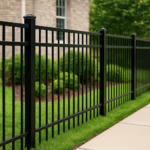
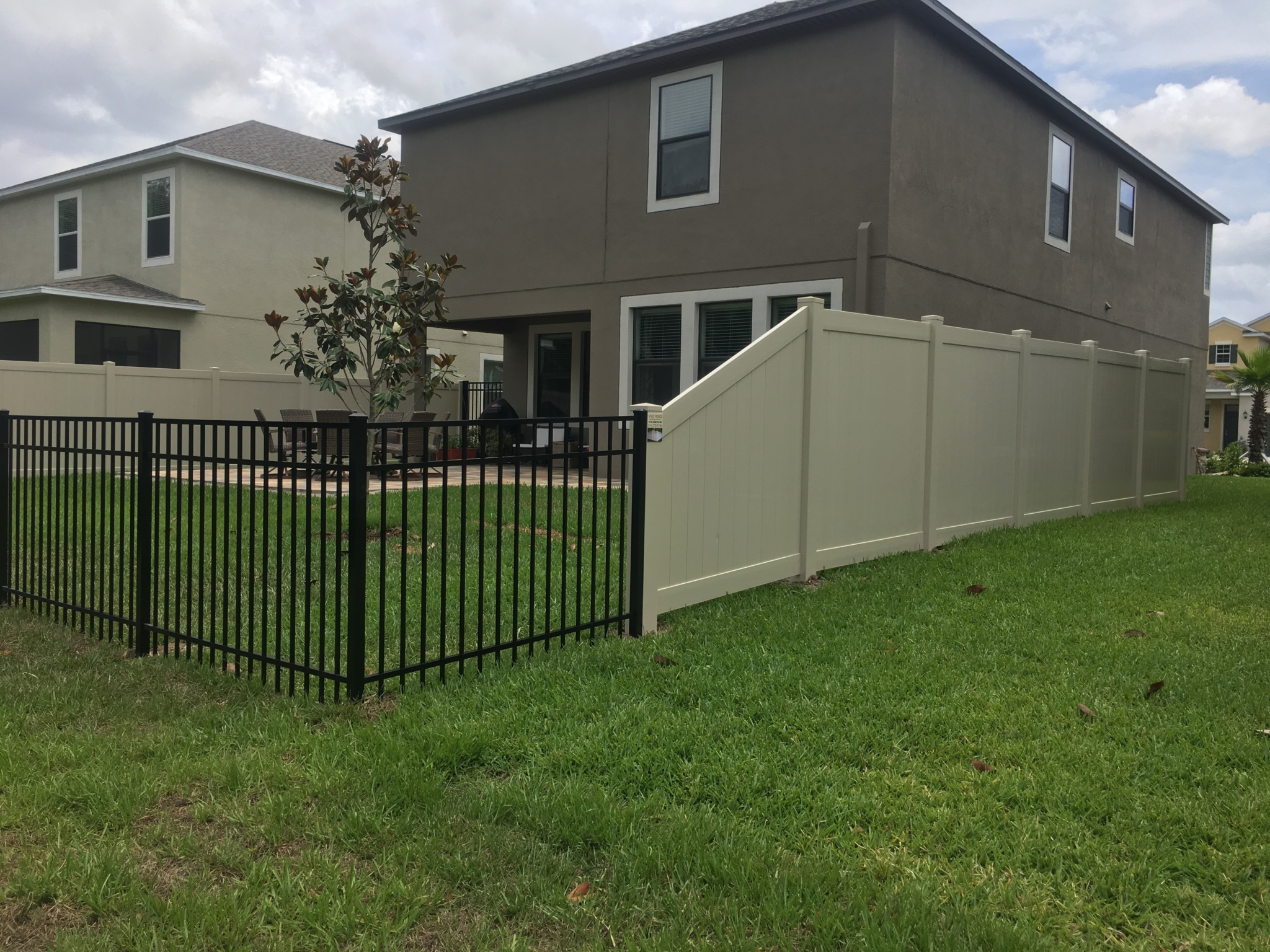
Vinyl fencing is the modern-day superhero of the fence world—durable, low-maintenance, and available in a variety of colors. It doesn’t warp or fade easily, making it perfect for those who want a fence that looks great without constant upkeep. Just be wary of extreme heat; some vinyl products can soften under intense sun exposure.
Chain Link Fencing: The Budget-Friendly Option
If you're on a tight budget but still want security, chain link fences are your go-to option. They’re affordable and provide visibility while keeping pets contained. However, they lack privacy—like wearing a sheer shirt to a family dinner. You might consider adding slats or vines if you want to spice things up.
Key takeaway: Each material has unique benefits and drawbacks; choose one that aligns with your needs and lifestyle.
A fence is only as good as its materials should be your new mantra when selecting a fence company. Make sure they offer high-quality options tailored to Tampa's unique weather conditions.
So what’s next? Now that you're armed with knowledge about different materials, it’s time to consult with potential fence companies about what they recommend based on your specific needs and budget.
Choosing the right material for your fence can feel like picking a favorite child—each option has its pros and cons, and you want to make sure you’re not making a choice you’ll regret later. Did you know that the type of fencing material can impact your home’s resale value by up to 10%? That’s not just pocket change; it’s a serious consideration for Tampa homeowners.
Wood Fencing: The Classic Choice
Wood fences are like the classic rock of the fencing world—timeless, versatile, and beloved by many. They offer natural beauty and can be customized in various styles. However, they require regular maintenance to prevent rotting and warping, especially in Florida's humid climate. If you choose wood, think about options like cedar or redwood that naturally resist decay.
Vinyl Fencing: The Low-Maintenance Marvel
Vinyl fencing is the modern-day superhero of the fence world—durable, low-maintenance, and available in a variety of colors. It doesn’t warp or fade easily, making it perfect for those who want a fence that looks great without constant upkeep. Just be wary of extreme heat; some vinyl products can soften under intense sun exposure.
Chain Link Fencing: The Budget-Friendly Option
If you're on a tight budget but still want security, chain link fences are your go-to option. They’re affordable and provide visibility while keeping pets contained. However, they lack privacy—like wearing a sheer shirt to a family dinner. You might consider adding slats or vines if you want to spice things up.
Key takeaway: Each material has unique benefits and drawbacks; choose one that aligns with your needs and lifestyle.
A fence is only as good as its materials should be your new mantra when selecting a fence company. Make sure they offer high-quality options tailored to Tampa's unique weather conditions.
So what’s next? Now that you're armed with knowledge about different materials, it’s time to consult with potential fence companies about what they recommend based on your specific needs and budget.
Requesting Detailed Estimates and Proposals
When it comes to hiring a fence company, diving into the nitty-gritty of estimates can feel like trying to decipher ancient hieroglyphics. But here’s the kicker: a detailed estimate is your best friend in avoiding nasty surprises down the road. In fact, nearly 60% of homeowners report unexpected costs during their fencing projects. Let’s make sure you’re not part of that statistic!
The Importance of Detailed Estimates
A detailed estimate is more than just numbers on a page; it’s a roadmap for your fencing project. It should outline everything from materials and labor costs to timelines and any potential extra charges. Think of it as the menu at your favorite restaurant—without it, you might end up with an unexpected bill that leaves you questioning your dining choices!
What to Include in Your Request
- Material specifications (wood, vinyl, chain link, etc.)
- Labor costs and estimated hours for installation
- Permitting fees or other regulatory costs
- Potential additional charges (like removal of old fencing)
- Timeline for project completion
By requesting these specifics, you’re not just being picky; you’re protecting yourself. A reputable fence company will have no problem providing this information upfront. If they hesitate or brush off your request, consider that a red flag—like finding out your favorite band is lip-syncing.
Apples to Apples Comparisons
Apples to apples comparisons are crucial when evaluating multiple estimates from different fence companies. Don’t just look at the bottom line; dig deeper! Ensure each estimate includes similar materials, labor rates, and project scopes. Otherwise, you might be comparing a luxury sedan with a used bicycle—both get you somewhere but in vastly different ways.
In summary, requesting detailed estimates is not just smart—it’s essential for Tampa homeowners looking to invest in quality fencing solutions. So roll up those sleeves and get ready to ask questions! Your future self will thank you when you're enjoying your new fence without financial regrets.
When it comes to hiring a fence company, diving into the nitty-gritty of estimates can feel like trying to decipher ancient hieroglyphics. But here’s the kicker: a detailed estimate is your best friend in avoiding nasty surprises down the road. In fact, nearly 60% of homeowners report unexpected costs during their fencing projects. Let’s make sure you’re not part of that statistic!
The Importance of Detailed Estimates
A detailed estimate is more than just numbers on a page; it’s a roadmap for your fencing project. It should outline everything from materials and labor costs to timelines and any potential extra charges. Think of it as the menu at your favorite restaurant—without it, you might end up with an unexpected bill that leaves you questioning your dining choices!
What to Include in Your Request
- Material specifications (wood, vinyl, chain link, etc.)
- Labor costs and estimated hours for installation
- Permitting fees or other regulatory costs
- Potential additional charges (like removal of old fencing)
- Timeline for project completion
By requesting these specifics, you’re not just being picky; you’re protecting yourself. A reputable fence company will have no problem providing this information upfront. If they hesitate or brush off your request, consider that a red flag—like finding out your favorite band is lip-syncing.
Apples to Apples Comparisons
Apples to apples comparisons are crucial when evaluating multiple estimates from different fence companies. Don’t just look at the bottom line; dig deeper! Ensure each estimate includes similar materials, labor rates, and project scopes. Otherwise, you might be comparing a luxury sedan with a used bicycle—both get you somewhere but in vastly different ways.
In summary, requesting detailed estimates is not just smart—it’s essential for Tampa homeowners looking to invest in quality fencing solutions. So roll up those sleeves and get ready to ask questions! Your future self will thank you when you're enjoying your new fence without financial regrets.
Examining Warranty and Aftercare Services Offered
Imagine spending thousands on a fence only to find out it comes with the warranty equivalent of a soggy napkin. Shockingly, about 30% of homeowners don’t even think to ask about aftercare services when hiring a fence company. That’s like buying a car and ignoring the maintenance plan—yikes!
Warranties and aftercare services are not just nice-to-haves; they’re essential for ensuring your investment stays in tip-top shape. A solid warranty can mean the difference between enjoying your new fence for years or watching it deteriorate faster than your New Year’s resolutions.
What to Look for in a Warranty
When evaluating warranties, pay attention to these key factors:
- Duration: A good warranty should last at least five years.
- Coverage: Ensure it covers both materials and workmanship.
- Transferability: If you sell your home, can the warranty be transferred to the new owner?
Pro Tip: Always get warranty information in writing! Don’t rely on verbal promises that could vanish faster than your favorite snack at a party.
Understanding Aftercare Services
Aftercare might sound like something you’d hear at a spa retreat, but in the fencing world, it’s all about ongoing support. This includes maintenance services, repairs, and even inspections to ensure everything is holding up as it should. Some companies offer free annual check-ups—think of it as a tune-up for your fence.
But wait, you might think, Do I really need this? Absolutely! Regular maintenance can extend the life of your fence significantly. For instance, if you have wood fencing, regular sealing can prevent rot and warping caused by Florida’s humid climate.
- 'Regular inspections: Catching small issues before they become big problems.
- 'Repair services: Quick fixes without having to hire another contractor.
- Maintenance tips: Guidance on how to care for your specific type of fence.
Imagine spending thousands on a fence only to find out it comes with the warranty equivalent of a soggy napkin. Shockingly, about 30% of homeowners don’t even think to ask about aftercare services when hiring a fence company. That’s like buying a car and ignoring the maintenance plan—yikes!
Warranties and aftercare services are not just nice-to-haves; they’re essential for ensuring your investment stays in tip-top shape. A solid warranty can mean the difference between enjoying your new fence for years or watching it deteriorate faster than your New Year’s resolutions.
What to Look for in a Warranty
When evaluating warranties, pay attention to these key factors:
- Duration: A good warranty should last at least five years.
- Coverage: Ensure it covers both materials and workmanship.
- Transferability: If you sell your home, can the warranty be transferred to the new owner?
Pro Tip: Always get warranty information in writing! Don’t rely on verbal promises that could vanish faster than your favorite snack at a party.
Understanding Aftercare Services
Aftercare might sound like something you’d hear at a spa retreat, but in the fencing world, it’s all about ongoing support. This includes maintenance services, repairs, and even inspections to ensure everything is holding up as it should. Some companies offer free annual check-ups—think of it as a tune-up for your fence.
But wait, you might think, Do I really need this? Absolutely! Regular maintenance can extend the life of your fence significantly. For instance, if you have wood fencing, regular sealing can prevent rot and warping caused by Florida’s humid climate.
- 'Regular inspections: Catching small issues before they become big problems.
- 'Repair services: Quick fixes without having to hire another contractor.
- Maintenance tips: Guidance on how to care for your specific type of fence.
Assessing Communication and Customer Service Practices
If your fence company communicates like a mysterious stranger at a party, it’s time to rethink your choice. Poor communication can lead to misunderstandings and delays that turn your fencing project into a frustrating saga. In fact, nearly 40% of homeowners report that lack of clear communication was their biggest headache during home improvement projects.
When you're investing in a fence, you want to feel like you’re working with a partner, not just another contractor. Effective communication isn’t just about exchanging information; it’s about building trust and ensuring everyone is on the same page from day one. So how do you assess this crucial aspect before signing on the dotted line?
Initial Interactions Matter
The first interaction with a fence company can set the tone for the entire project. Pay attention to how quickly they respond to your inquiries—are they prompt or do they leave you hanging like an unfinished fence post? A reputable company will prioritize customer service right from the start.
- Do they answer your questions thoroughly?
- Is their tone friendly and professional?
- Are they willing to provide references or examples of past work?
Transparency is Key
Surprises are great for birthday parties, not so much for fencing projects. This phrase should be your mantra when evaluating potential fence companies. Transparency about costs, timelines, and potential challenges is essential. If a company sugarcoats everything or avoids discussing possible hiccups, consider it a red flag.
A transparent contractor builds trust faster than any marketing gimmick.
'Post-Installation Support: The Real Test
'So you've signed the contract, and the fence is up—now what? The real test of customer service often comes after installation. Does the company offer support if something goes wrong? A solid warranty is just one piece of the puzzle; ongoing support can save you headaches down the line.
If your fence company communicates like a mysterious stranger at a party, it’s time to rethink your choice. Poor communication can lead to misunderstandings and delays that turn your fencing project into a frustrating saga. In fact, nearly 40% of homeowners report that lack of clear communication was their biggest headache during home improvement projects.
When you're investing in a fence, you want to feel like you’re working with a partner, not just another contractor. Effective communication isn’t just about exchanging information; it’s about building trust and ensuring everyone is on the same page from day one. So how do you assess this crucial aspect before signing on the dotted line?
Initial Interactions Matter
The first interaction with a fence company can set the tone for the entire project. Pay attention to how quickly they respond to your inquiries—are they prompt or do they leave you hanging like an unfinished fence post? A reputable company will prioritize customer service right from the start.
- Do they answer your questions thoroughly?
- Is their tone friendly and professional?
- Are they willing to provide references or examples of past work?
Transparency is Key
Surprises are great for birthday parties, not so much for fencing projects. This phrase should be your mantra when evaluating potential fence companies. Transparency about costs, timelines, and potential challenges is essential. If a company sugarcoats everything or avoids discussing possible hiccups, consider it a red flag.
A transparent contractor builds trust faster than any marketing gimmick.
'Post-Installation Support: The Real Test
'So you've signed the contract, and the fence is up—now what? The real test of customer service often comes after installation. Does the company offer support if something goes wrong? A solid warranty is just one piece of the puzzle; ongoing support can save you headaches down the line.
Considering Installation Timelines and Flexibility
Picture this: you’ve finally decided to invest in that stunning new fence, only to discover the installation timeline resembles a game of musical chairs—unpredictable and chaotic. A staggering 50% of homeowners report that their fencing projects took longer than initially promised. This isn’t just a minor inconvenience; it can throw off your entire landscaping plan and leave your yard looking like a construction zone.
When choosing a fence company, understanding their installation timelines is crucial. A reliable company will provide you with a clear schedule that outlines when you can expect materials to arrive and when the installation will actually begin. Without this clarity, you might find yourself waiting longer than expected, which can be frustrating if you’re eager to enjoy your new outdoor space.
Flexibility Matters
Flexibility in scheduling is another key factor to consider. Life happens—unexpected weather changes or personal commitments can disrupt even the best-laid plans. A fence company that understands this will offer options for rescheduling without hefty penalties or hassle. Imagine trying to coordinate with a company that’s as rigid as an old wooden fence; it’s likely going to lead to frustration and delays.
'So how do you gauge a company's flexibility?' you might ask. Start by asking specific questions during your initial consultations:
- Can they accommodate changes in schedule if needed?
- What is their policy on rescheduling due to weather?
- How quickly can they respond if I need urgent adjustments?
A flexible contractor is worth their weight in gold.
But wait, you might wonder, what about communication during the installation process? Effective communication is paramount when it comes to managing expectations around timelines. The best companies will keep you updated on progress and any potential delays, so you're never left in the dark wondering what’s happening with your project.
Setting Realistic Expectations
Setting realistic expectations about how long the project will take is essential. If a company promises an installation within days without assessing site conditions or weather forecasts, that should raise some red flags. Fencing projects often involve various factors like permits, site preparation, and even soil conditions that can all affect timelines.
In Tampa's unique climate, for instance, rainy season can delay outdoor projects significantly. A reputable fence company will factor these elements into their timeline estimates rather than giving you an overly optimistic view.
Ultimately, understanding installation timelines and flexibility options when hiring a fence company can save you from future headaches. So before signing any contracts, take the time to discuss these aspects thoroughly—your future self (and your yard) will thank you!
Picture this: you’ve finally decided to invest in that stunning new fence, only to discover the installation timeline resembles a game of musical chairs—unpredictable and chaotic. A staggering 50% of homeowners report that their fencing projects took longer than initially promised. This isn’t just a minor inconvenience; it can throw off your entire landscaping plan and leave your yard looking like a construction zone.
When choosing a fence company, understanding their installation timelines is crucial. A reliable company will provide you with a clear schedule that outlines when you can expect materials to arrive and when the installation will actually begin. Without this clarity, you might find yourself waiting longer than expected, which can be frustrating if you’re eager to enjoy your new outdoor space.
Flexibility Matters
Flexibility in scheduling is another key factor to consider. Life happens—unexpected weather changes or personal commitments can disrupt even the best-laid plans. A fence company that understands this will offer options for rescheduling without hefty penalties or hassle. Imagine trying to coordinate with a company that’s as rigid as an old wooden fence; it’s likely going to lead to frustration and delays.
'So how do you gauge a company's flexibility?' you might ask. Start by asking specific questions during your initial consultations:
- Can they accommodate changes in schedule if needed?
- What is their policy on rescheduling due to weather?
- How quickly can they respond if I need urgent adjustments?
A flexible contractor is worth their weight in gold.
But wait, you might wonder, what about communication during the installation process? Effective communication is paramount when it comes to managing expectations around timelines. The best companies will keep you updated on progress and any potential delays, so you're never left in the dark wondering what’s happening with your project.
Setting Realistic Expectations
Setting realistic expectations about how long the project will take is essential. If a company promises an installation within days without assessing site conditions or weather forecasts, that should raise some red flags. Fencing projects often involve various factors like permits, site preparation, and even soil conditions that can all affect timelines.
In Tampa's unique climate, for instance, rainy season can delay outdoor projects significantly. A reputable fence company will factor these elements into their timeline estimates rather than giving you an overly optimistic view.
Ultimately, understanding installation timelines and flexibility options when hiring a fence company can save you from future headaches. So before signing any contracts, take the time to discuss these aspects thoroughly—your future self (and your yard) will thank you!
Exploring Local Regulations and Compliance Requirements
Let’s be real: navigating Tampa's local regulations can feel like trying to solve a Rubik’s Cube blindfolded. Did you know that nearly 40% of homeowners face unexpected fines due to non-compliance with local fencing laws? This is not just a minor inconvenience; it can turn your dream fence into a financial nightmare.
When choosing a fence company, understanding local regulations isn’t just a good idea—it’s essential. Each city, including Tampa, has specific rules about fence height, materials, and even the types of permits required. Ignoring these can lead to fines or even having to tear down your new fence. So, how do you ensure that your fencing project stays on the right side of the law?
Understanding Permit Requirements
Before you start dreaming about that white picket fence or sleek vinyl barrier, check if you need a permit. In many cases, if your fence exceeds six feet in height or is located within certain zoning areas, you’ll need to file for a permit with the City of Tampa. A reputable fence company should guide you through this process—if they don’t mention permits at all, consider that a red flag.
Zoning Laws and Setbacks
Zoning laws dictate where you can place your fence on your property. For instance, some neighborhoods require that fences be set back several feet from property lines. If you're not aware of these regulations, you might find yourself in a neighborly dispute—or worse, having to relocate your newly installed fence.
- Check with the City of Tampa for zoning maps and regulations.
- Consult with your neighbors to avoid disputes over property lines.
- Consider hiring a surveyor if you're unsure about boundaries.
Pro Tip: Always get any required permits before installation; it saves headaches later!
'Homeowners Association (HOA) Rules
'If you live in an HOA community, they’ll likely have their own set of rules regarding fencing. This could include color restrictions or specific styles allowed in the neighborhood. Before making any decisions or signing contracts with a fence company, review your HOA guidelines—failing to comply could lead to fines or having to remove your new pride and joy.
In conclusion, understanding local regulations and compliance requirements is crucial when selecting the right fence company for your project. Don’t let ignorance cost you; take the time to research and ask questions upfront. Your future self—and possibly your wallet—will thank you!
Let’s be real: navigating Tampa's local regulations can feel like trying to solve a Rubik’s Cube blindfolded. Did you know that nearly 40% of homeowners face unexpected fines due to non-compliance with local fencing laws? This is not just a minor inconvenience; it can turn your dream fence into a financial nightmare.
When choosing a fence company, understanding local regulations isn’t just a good idea—it’s essential. Each city, including Tampa, has specific rules about fence height, materials, and even the types of permits required. Ignoring these can lead to fines or even having to tear down your new fence. So, how do you ensure that your fencing project stays on the right side of the law?
Understanding Permit Requirements
Before you start dreaming about that white picket fence or sleek vinyl barrier, check if you need a permit. In many cases, if your fence exceeds six feet in height or is located within certain zoning areas, you’ll need to file for a permit with the City of Tampa. A reputable fence company should guide you through this process—if they don’t mention permits at all, consider that a red flag.
Zoning Laws and Setbacks
Zoning laws dictate where you can place your fence on your property. For instance, some neighborhoods require that fences be set back several feet from property lines. If you're not aware of these regulations, you might find yourself in a neighborly dispute—or worse, having to relocate your newly installed fence.
- Check with the City of Tampa for zoning maps and regulations.
- Consult with your neighbors to avoid disputes over property lines.
- Consider hiring a surveyor if you're unsure about boundaries.
Pro Tip: Always get any required permits before installation; it saves headaches later!
'Homeowners Association (HOA) Rules
'If you live in an HOA community, they’ll likely have their own set of rules regarding fencing. This could include color restrictions or specific styles allowed in the neighborhood. Before making any decisions or signing contracts with a fence company, review your HOA guidelines—failing to comply could lead to fines or having to remove your new pride and joy.
In conclusion, understanding local regulations and compliance requirements is crucial when selecting the right fence company for your project. Don’t let ignorance cost you; take the time to research and ask questions upfront. Your future self—and possibly your wallet—will thank you!
Understanding Material Options and Their Implications
Choosing the right material for your fence can feel like picking a favorite child—each option has its pros and cons, and you want to make sure you’re not making a choice you’ll regret later. Did you know that the type of fencing material can impact your home’s resale value by up to 10%? That’s not just pocket change; it’s a serious consideration for Tampa homeowners.
Wood Fencing: The Classic Choice
Wood fences are like the classic rock of the fencing world—timeless, versatile, and beloved by many. They offer natural beauty and can be customized in various styles. However, they require regular maintenance to prevent rotting and warping, especially in Florida's humid climate. If you choose wood, think about options like cedar or redwood that naturally resist decay.
Vinyl Fencing: The Low-Maintenance Marvel
Vinyl fencing is the modern-day superhero of the fence world—durable, low-maintenance, and available in a variety of colors. It doesn’t warp or fade easily, making it perfect for those who want a fence that looks great without constant upkeep. Just be wary of extreme heat; some vinyl products can soften under intense sun exposure.
Chain Link Fencing: The Budget-Friendly Option
If you're on a tight budget but still want security, chain link fences are your go-to option. They’re affordable and provide visibility while keeping pets contained. However, they lack privacy—like wearing a sheer shirt to a family dinner. You might consider adding slats or vines if you want to spice things up.
Key takeaway: Each material has unique benefits and drawbacks; choose one that aligns with your needs and lifestyle.
A fence is only as good as its materials should be your new mantra when selecting a fence company. Make sure they offer high-quality options tailored to Tampa's unique weather conditions.
So what’s next? Now that you’re armed with knowledge about different materials, it’s time to consult with potential fence companies about what they recommend based on your specific needs and budget.
Requesting Detailed Estimates and Proposals
When it comes to hiring a fence company, diving into the nitty-gritty of estimates can feel like trying to decipher ancient hieroglyphics. But here’s the kicker: a detailed estimate is your best friend in avoiding nasty surprises down the road. In fact, nearly 60% of homeowners report unexpected costs during their fencing projects. Let’s make sure you’re not part of that statistic!
The Importance of Detailed Estimates
A detailed estimate is more than just numbers on a page; it’s a roadmap for your fencing project. It should outline everything from materials and labor costs to timelines and any potential extra charges. Think of it as the menu at your favorite restaurant—without it, you might end up with an unexpected bill that leaves you questioning your dining choices!
What to Include in Your Request
- Material specifications (wood, vinyl, chain link, etc.)
- Labor costs and estimated hours for installation
- Permitting fees or other regulatory costs
- Potential additional charges (like removal of old fencing)
- Timeline for project completion
By requesting these specifics, you’re not just being picky; you’re protecting yourself. A reputable fence company will have no problem providing this information upfront. If they hesitate or brush off your request, consider that a red flag—like finding out your favorite band is lip-syncing.
Apples to Apples Comparisons
Apples to apples comparisons are crucial when evaluating multiple estimates from different fence companies. Don’t just look at the bottom line; dig deeper! Ensure each estimate includes similar materials, labor rates, and project scopes. Otherwise, you might be comparing a luxury sedan with a used bicycle—both get you somewhere but in vastly different ways.
In summary, requesting detailed estimates is not just smart—it’s essential for Tampa homeowners looking to invest in quality fencing solutions. So roll up those sleeves and get ready to ask questions! Your future self will thank you when you’re enjoying your new fence without financial regrets.
Examining Warranty and Aftercare Services Offered
Imagine spending thousands on a fence only to find out it comes with the warranty equivalent of a soggy napkin. Shockingly, about 30% of homeowners don’t even think to ask about aftercare services when hiring a fence company. That’s like buying a car and ignoring the maintenance plan—yikes!
Warranties and aftercare services are not just nice-to-haves; they’re essential for ensuring your investment stays in tip-top shape. A solid warranty can mean the difference between enjoying your new fence for years or watching it deteriorate faster than your New Year’s resolutions.
What to Look for in a Warranty
When evaluating warranties, pay attention to these key factors:
- Duration: A good warranty should last at least five years.
- Coverage: Ensure it covers both materials and workmanship.
- Transferability: If you sell your home, can the warranty be transferred to the new owner?
Pro Tip: Always get warranty information in writing! Don’t rely on verbal promises that could vanish faster than your favorite snack at a party.
Understanding Aftercare Services
Aftercare might sound like something you’d hear at a spa retreat, but in the fencing world, it’s all about ongoing support. This includes maintenance services, repairs, and even inspections to ensure everything is holding up as it should. Some companies offer free annual check-ups—think of it as a tune-up for your fence.
'But wait, you might think, Do I really need this? Absolutely! Regular maintenance can extend the life of your fence significantly. For instance, if you have wood fencing, regular sealing can prevent rot and warping caused by Florida’s humid climate.
- 'Regular inspections: Catching small issues before they become big problems.
- 'Repair services: Quick fixes without having to hire another contractor.
- 'Maintenance tips: Guidance on how to care for your specific type of fence.
'In summary, don’t overlook warranties and aftercare when selecting your fence company. They’re not just safety nets; they’re lifelines that keep your investment secure and looking great for years to come.
Assessing Communication and Customer Service Practices
If your fence company communicates like a mysterious stranger at a party, it’s time to rethink your choice. Poor communication can lead to misunderstandings and delays that turn your fencing project into a frustrating saga. In fact, nearly 40% of homeowners report that lack of clear communication was their biggest headache during home improvement projects.
When you’re investing in a fence, you want to feel like you’re working with a partner, not just another contractor. Effective communication isn’t just about exchanging information; it’s about building trust and ensuring everyone is on the same page from day one. So how do you assess this crucial aspect before signing on the dotted line?
Initial Interactions Matter
The first interaction with a fence company can set the tone for the entire project. Pay attention to how quickly they respond to your inquiries—are they prompt or do they leave you hanging like an unfinished fence post? A reputable company will prioritize customer service right from the start.
- Do they answer your questions thoroughly?
- Is their tone friendly and professional?
- Are they willing to provide references or examples of past work?
Transparency is Key
Surprises are great for birthday parties, not so much for fencing projects. This phrase should be your mantra when evaluating potential fence companies. Transparency about costs, timelines, and potential challenges is essential. If a company sugarcoats everything or avoids discussing possible hiccups, consider it a red flag.
A transparent contractor builds trust faster than any marketing gimmick.
'Post-Installation Support: The Real Test
'So you’ve signed the contract, and the fence is up—now what? The real test of customer service often comes after installation. Does the company offer support if something goes wrong? A solid warranty is just one piece of the puzzle; ongoing support can save you headaches down the line.
Considering Installation Timelines and Flexibility
Picture this: you’ve finally decided to invest in that stunning new fence, only to discover the installation timeline resembles a game of musical chairs—unpredictable and chaotic. A staggering 50% of homeowners report that their fencing projects took longer than initially promised. This isn’t just a minor inconvenience; it can throw off your entire landscaping plan and leave your yard looking like a construction zone.
When choosing a fence company, understanding their installation timelines is crucial. A reliable company will provide you with a clear schedule that outlines when you can expect materials to arrive and when the installation will actually begin. Without this clarity, you might find yourself waiting longer than expected, which can be frustrating if you’re eager to enjoy your new outdoor space.
Flexibility Matters
Flexibility in scheduling is another key factor to consider. Life happens—unexpected weather changes or personal commitments can disrupt even the best-laid plans. A fence company that understands this will offer options for rescheduling without hefty penalties or hassle. Imagine trying to coordinate with a company that’s as rigid as an old wooden fence; it’s likely going to lead to frustration and delays.
- Can they accommodate changes in schedule if needed?
- What is their policy on rescheduling due to weather?
- How quickly can they respond if I need urgent adjustments?
A flexible contractor is worth their weight in gold.
But wait, you might wonder, what about communication during the installation process? Effective communication is paramount when it comes to managing expectations around timelines. The best companies will keep you updated on progress and any potential delays, so you're never left in the dark wondering what’s happening with your project.
'Setting Realistic Expectations
'Setting realistic expectations about how long the project will take is essential. If a company promises an installation within days without assessing site conditions or weather forecasts, that should raise some red flags. Fencing projects often involve various factors like permits, site preparation, and even soil conditions that can all affect timelines.
'In Tampa's unique climate, for instance, rainy season can delay outdoor projects significantly. A reputable fence company will factor these elements into their timeline estimates rather than giving you an overly optimistic view.
Exploring Local Regulations and Compliance Requirements
Let’s be real: navigating Tampa's local regulations can feel like trying to solve a Rubik’s Cube blindfolded. Did you know that nearly 40% of homeowners face unexpected fines due to non-compliance with local fencing laws? This is not just a minor inconvenience; it can turn your dream fence into a financial nightmare.
When choosing a fence company, understanding local regulations isn’t just a good idea—it’s essential. Each city, including Tampa, has specific rules about fence height, materials, and even the types of permits required. Ignoring these can lead to fines or even having to tear down your new fence. So, how do you ensure that your fencing project stays on the right side of the law?
Understanding Permit Requirements
Before you start dreaming about that white picket fence or sleek vinyl barrier, check if you need a permit. In many cases, if your fence exceeds six feet in height or is located within certain zoning areas, you’ll need to file for a permit with the City of Tampa. A reputable fence company should guide you through this process—if they don’t mention permits at all, consider that a red flag.
Zoning Laws and Setbacks
Zoning laws dictate where you can place your fence on your property. For instance, some neighborhoods require that fences be set back several feet from property lines. If you're not aware of these regulations, you might find yourself in a neighborly dispute—or worse, having to relocate your newly installed fence.
- Check with the City of Tampa for zoning maps and regulations.
- Consult with your neighbors to avoid disputes over property lines.
- Consider hiring a surveyor if you’re unsure about boundaries.
Pro Tip: Always get any required permits before installation; it saves headaches later!
'Homeowners Association (HOA) Rules
'If you live in an HOA community, they’ll likely have their own set of rules regarding fencing. This could include color restrictions or specific styles allowed in the neighborhood. Before making any decisions or signing contracts with a fence company, review your HOA guidelines—failing to comply could lead to fines or having to remove your new pride and joy.
In conclusion, understanding local regulations and compliance requirements is crucial when selecting the right fence company for your project. Don’t let ignorance cost you; take the time to research and ask questions upfront. Your future self—and possibly your wallet—will thank you!