

How to Choose the Right Fence Builder Near You: 7 Questions to Ask Before Hiring
Looking for fence builders near me? This Tampa-focused guide gives you seven concrete questions to vet contractors, plus a practical framework to compare bids, licenses, permits, and timelines. You’ll leave with a reusable checklist that clarifies scope, warranties, and expected outcomes, so you can move from quotes to a durable, compliant fence with confidence.
1) Are You Licensed and Insured in Florida?
In Florida, when you search for fence builders near me, licensed and insured status is non-negotiable. Verify a current state license and proof of general liability and workers’ compensation coverage before you sign anything. Without verifiable credentials, you risk shoddy workmanship, unaddressed damage to your property, and liability if someone gets hurt during installation—especially if a subcontractor is involved.
Check licenses through the Florida Department of Business and Professional Regulation (DBPR) or the applicable licensing board, and confirm the license is active and appropriate for fencing work. A stand-up answer should include a license number, license type, insurer name, policy limits, and a written certificate of insurance. If subcontractors will work on your project, require the certificate to name you as additional insured and ensure coverage extends to all subs.
Red flags to watch for: no license on file, an expired license, a COI that can’t be verified, or workers without workers’ compensation coverage. A credible contractor will provide a document you can verify online, plus contact info for the insurer. A strong response goes beyond a flyer; it delivers a stamped certificate of insurance, the insurer’s contact, and a clear explanation of what is covered and for how long. If a bidder pushes back or offers excuses, treat it as a warning sign and walk away.
Example: a Westchase single-family home needed a cedar privacy fence. The contractor presented a valid Florida license and a COI naming the homeowner as additional insured. Work started two weeks after permit submission, and the project stayed within scope and budget because permit deadlines and insurance requirements were handled up front.
Trade-off: a bigger contractor with solid insurance and license may charge more than a weekend warrior who offers a rock-bottom bid but cannot cover injuries or defects. In addition, some Tampa HOA rules may require certificates be sent to the HOA office; verify that your contractor will handle that or you will shoulder it.
Takeaway: never sign a fence contract before you have verifiable license and insurance documents in hand, and before the contract references the COI, insured status and terms.
2) What Fence Types and Materials Do You Recommend for My Property?
In Tampa, the material decision isn’t cosmetic. Salt air, humidity, and seasonal storms push some designs out of contention and into ongoing maintenance. The fence you choose must survive years here while respecting HOA rules and local codes. In practice that means evaluating not just looks, but maintenance load, lifecycle cost, and how the material behaves in the Florida climate.
Here’s how the main materials hold up in Tampa, with the practical trade-offs you’ll actually encounter.
- Wood fences (cedar or pressure-treated pine): Natural warmth and privacy; but they’re most vulnerable to moisture, rot, and termites and require periodic sealing, typically every 2–3 years.
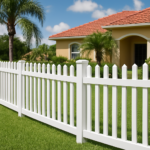
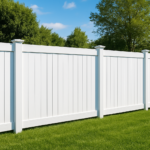
- Vinyl fencing: Very low maintenance and color-stable; upfront cost is higher and style options can be more limited.
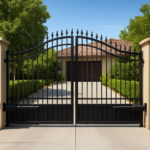
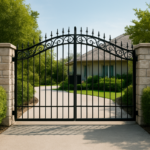
- Aluminum fencing: Excellent corrosion resistance and durability; lighter privacy capability than wood and usually a higher price than basic wood.
- Chain-link fencing: Cheapest to install and quick to deploy; privacy and aesthetics are minimal unless upgraded with slats or coatings.
Concrete example: A single-family home in South Tampa with salt-prone air chose a cedar privacy fence with hidden fasteners and stainless hardware. The HOA required a 6-foot height and permitted a natural finish, so the contractor paired it with a matching gate and a sealant schedule. After year five, routine sealant preserved the look, while the cost remained predictable because the HOA enforced a consistent design.
Beyond initial aesthetics, climate drives maintenance and warranties. In salt environments, metal options with proper coatings survive longer; wood benefits from UV and moisture sealants but still shows weathering. For pool areas or high-visibility frontages, vinyl or aluminum can reduce ongoing costs. If you’re exploring aluminum options near you, see aluminum fencing options near me.
When a contractor offers a recommendation, use a simple framework to test it.
- Local climate compatibility and corrosion resistance for metal and fasteners.
- Warranty terms and maintenance expectations including what triggers coverage.
- HOA and permit feasibility height, color, setbacks.
- Lead times and material availability especially for vinyl or engineered wood.
- Total lifecycle cost install plus maintenance over 15–20 years.
Takeaway: align material choices with climate, HOA constraints, and your maintenance tolerance to maximize value.
3) Will You Provide a Detailed Written Estimate and Scope of Work?
A detailed written estimate is not optional; it is the contract in waiting. It channels price pressure, clarifies scope, and protects you from scope creep before any shovel hits the dirt. Without it, you are negotiating in the wind, chasing partial numbers and surprises that show up later as change orders.
Expect a line-item breakdown that separates materials, labor, disposal, permit fees, and a realistic contingency. The estimate should spell out the scope of work, including site prep, post installation method, surface finishes, and cleanup. If any item is lumped into general miscellaneous, push for specificity.
Concrete Tampa example: a cedar privacy fence bid listed cedar pickets, pressure-treated posts, concrete, gates, disposal, and a separate permit fee. The contractor added a 10% contingency and a defined change-order process. When work began, the price held steady unless a change order was signed in writing.
What a credible proposal should include
A credible proposal starts with milestones and a start-to-finish timeline, plus a clear payment schedule tied to progress. It should name the responsible party for permits and HOA coordination, and outline warranty terms. It must also specify exclusions and what happens if conditions on site require adjustment. For practical structure, see our internal notes on how we format estimates here: https://vilofence.com/wood-fence-repair-near-me-tips-and-pro-services/.
- Line-item breakdown: materials by type, quantity, unit cost, and any supplier lead times
- Labor details: hourly rates, crew composition, and how changes to scope affect labor quotes
- Disposal and site prep: included or charged separately
- Permits and HOA fees: who handles applications, renewals, inspections, and any related timelines
- Change-order policy: pricing method, approval process, and how delays affect the schedule
- Warranties: duration, what is covered, and claim steps
Trade-offs: this level of detail can slow the bidding process, but it sets guardrails that prevent budget overruns and disputes later. A cheaper bid with vague terms is a red flag for hidden costs or disputed work.
Real-world use-case: two bids landed on the table. One was highly detailed with explicit permit steps and a two-week start window; the other was cheaper but vague. The detailed bid saved the client from surprise charges after permitting delays and kept the project on track.
Process tip: require a written contract that mirrors the estimate, keep change orders in writing, and confirm a realistic start-to-finish timeline. A well-structured estimate becomes your budgeting anchor and a reference point for every decision.
Internal reference: our approach to estimates emphasizes front-page summaries plus deep dives into materials, labor, and permits—with contingencies and exclusions laid out clearly. See our practical notes here: https://vilofence.com/wood-fence-repair-near-me-tips-and-pro-services/.
External guidance: for broader context on what to expect in fence estimates, consult the general guidelines at Bob Vila.
Takeaway: demand a detailed estimate and scope of work before signing. If a contractor resists or provides vague terms, you are likely looking at future disputes.
4) What Is the Project Timeline and Scheduling Process?
In practice, the timeline is defined by milestones, not a single start date. For fence projects in Tampa, the main milestones are permit handling, material lead times, weather delays, and HOA approvals. A credible schedule makes each milestone explicit and assigns accountability, so you can predict disruption and plan around it.
Ask for a milestone-based schedule that covers: start date, permit submission, permit approvals, material delivery, site prep, installation, inspections, and final handover. In Tampa, confirm who handles permits and who coordinates HOA approvals if needed; get a date range for each milestone, not a vague window. Expect permit processing to influence the clock more than anything else, with HOA approvals adding weeks in some cases.
- Start date agreed and written with a firm kickoff window.
- Permits submitted within 1–2 weeks of signing; include who submits.
- Permits approved: 7–21 days on typical track; HOA, if applicable, can add weeks.
- Materials delivery: align with permit clearance; typical 1–3 weeks lead time.
- Site prep: boundary marking and utilities verification, 1–3 days.
- Installation: 2–5 days depending on length and complexity.
- Inspections and handover: 1–5 days after installation; final cleanup.
Concrete timeline example: A 150-foot privacy fence in a Westchase yard signed on May 1. Permits submitted May 2; permits approved by May 12; materials delivered May 20; installation May 22–26; inspection May 29; handover May 30. Weather delays typical to Tampa could push the final date into early June.
Real-world example: In Hyde Park, a contractor hit an HOA-approval snag that added about two weeks to the timeline. They shifted to pre-ordered components and staged some work off-site to keep the on-site window tight, but the extra wait still required client coordination and neighbor notification.
Trade-off: pushing for a tight schedule can force substitutions or rush charges and risk mistakes; slower timelines allow better material choice and prep, but extend disruption and risk weather-related delays.
Practical steps: require a written timeline with milestones and who is responsible, plus a defined change-order process. Ask for written updates if a milestone slips, and insist on a weather contingency and a clear permit/HOA responsibility split.
Your next step: require a milestone-based timeline and a written contingency plan before signing any contract.
5) What Materials Do You Use and What Warranties Do You Offer?
In Tampa's climate, material choice is not just about aesthetics; it's about maintenance cadence, salt spray, and termite exposure. You want a fence that holds its look with minimal upkeep and a warranty that actually delivers when moisture and heat test the joints.
A credible contractor will lay out a written material and warranty plan: options, expected lifespans, maintenance needs, and clear terms for both materials and workmanship. Expect a side-by-side comparison so you can weigh long-term value against upfront cost.
- Wood options: pressure-treated pine, cedar, or redwood. Pros: natural look and ease of repair; Cons: rot and warping without proper sealing. Warranties often depend on regular sealing and can exclude moisture-related damage if you skip maintenance.
- Vinyl and aluminum: highly durable, low maintenance, and good for salt-air or pool settings. Look for a manufacturer warranty covering color stability and cracking, plus a separate workmanship warranty on installation.
- Chain link and metal fencing: affordable security with galvanized steel or aluminum; consider vinyl coatings for extra corrosion resistance in coastal zones. Check coating warranties and whether labor is included when coating fails.
- Privacy and decorative options: composites or specialty woods balance appearance and durability. Expect warranties that cover color fade and structural integrity, with caveats tied to cleaning schedules and weather exposure.
Concrete example: a Tampa homeowner installed vinyl for a pool fence due to moisture resistance. The contractor offered a 20-year vinyl warranty and a 5-year workmanship warranty; after 7 years, chalking appeared on a sun-facing panel. The warranty covered replacement of defective panels but did not cover color fading unless cleaning steps per the manufacturer were followed.
A practical distinction: warranties hinge on installation quality and ongoing maintenance. Compare lifespan vs maintenance burden, scope of coverage, and transferability. In practice, ask for copies of warranty documents, note any required maintenance tasks, and confirm who covers labor if panels fail.
Also request sample warranty documents and a quick comparison rubric that you and the contractor agree to use. Attach the warranty terms to your RFI so you can compare bids on an apples-to-apples basis and avoid hidden gaps in coverage.
Next step: attach warranty terms to your bids, and use them to guide your decision alongside permit handling, HOA coordination, and overall project value.
Takeaway: treat warranties as a purchase driver, not a footnote. Get it in writing, ensure it aligns with your maintenance plan, and verify transferability if you sell the property.
6) Can You Provide References and Examples of Similar Projects?
References are your most reliable signal about what a fence project will actually feel like. Don’t rely on glossy brochures—insist on 3–5 references from projects that match your scope and location around Tampa. Ask for the neighborly details: project size, materials, whether the contractor managed permits, and how the team handled any surprises.
Request before and after photos and a short project narrative from each reference. Then pick up the phone and ask targeted questions: Was the project completed on time? Did the finished fence meet the specs and aesthetic? How did the contractor handle changes or warranty issues? Was post-install support prompt and effective?
- 3–5 references from projects similar in scope and location around Tampa.
- Ask for a mix of residential, commercial, or industrial references that reflect your setting.
- Request before and after photos and case notes detailing challenges and how they were resolved.
- Speak with the reference about scheduling, permits, and post-install service; push for specifics on warranty claims and cleanup.
In a real-world Tampa scenario, a homeowner wanted a privacy fence replacement in Westchase. The contractor provided five references, including a nearby HOA project and a commercial lot. The references confirmed on-time completion, adherence to the approved design, and a responsive warranty process, but one project required a resin stain touch-up after a heavy rain, which the contractor corrected under warranty within a week.
Don’t rely on references alone. Gate the decision with a visual portfolio and, if possible, a site visit to a finished job. Ask to see materials up close and talk to the crew lead about installation methods. Look for consistency between what references report and the on-site look and finish you expect.
Takeaway: the right references give you truth about scheduling, workmanship, and aftercare. If you want tailored guidance and quotes, you can talk with Vilo Fence for a practical reference package and local case studies. See examples in our Tampa materials and service pages for context Vilo Fence resources and aluminum fencing near me Florida.
7) How Do You Handle Permits HOA and Local Regulations?
In Tampa, permits and HOA approvals drive fence projects, not hope or haste. A capable fence builder should own the permit process and coordinate HOA submissions, but you still control decisions and timelines. The objective is to avoid delays from missing documents, ambiguous setback rules, or unclear responsibilities. Demand a written plan that names who files what, typical lead times, who covers fees, and how you’ll receive updates and milestone dates.
Practical steps to manage permits and HOA approvals
In the contract, require a permit management plan: who files permits, expected lead times, who pays fees, and how updates are reported. Require that HOA coordination is included when applicable, and that a site survey and approved drawings are part of the submittal package.
- Permits: clarify which party files, expected lead times, and where delays could come from; require a written permit timeline.
- HOA approvals: specify the board or management company responsible, required documents, and typical turnaround times.
- Costs: outline permit and HOA fees, rush options, and how changes influence price.
- Documentation: demand copies of all approvals and a living tracker that both sides can view.
Example: A South Tampa townhouse redevelopment required HOA sign-off and a site plan showing fence location relative to a shared alley. The contractor filed permits in parallel with HOA submissions; the HOA approved in 12 days, but the permit review lagged due to a missing survey, pushing the project back three weeks.
Be aware of trade-offs: letting the contractor handle permits can compress the timeline, but it adds single-point risk and sometimes higher admin fees. Build in a cushion for weather, HOA cycles, and unexpected document requests, and insist on weekly progress updates.
Takeaway: require formal permit management in the agreement to keep the fence project on track and compliant.