
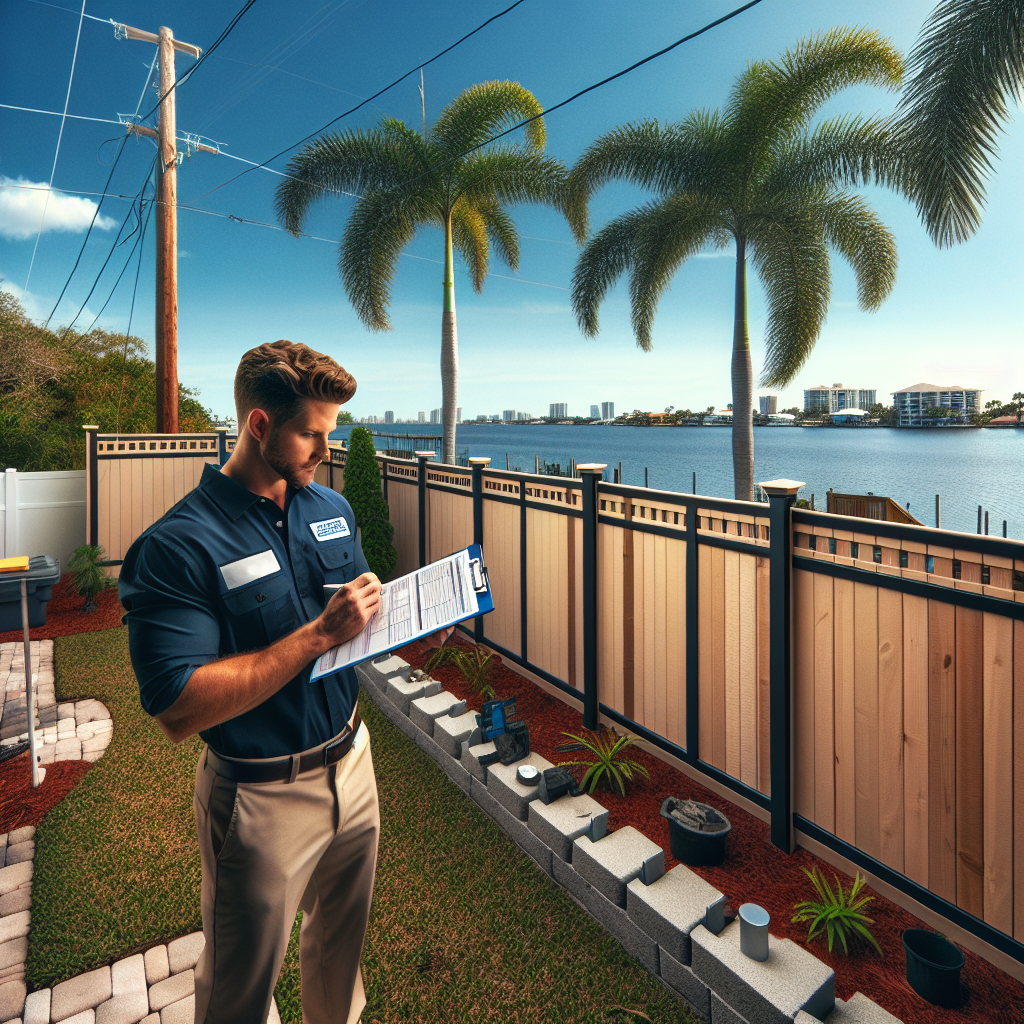
A privacy fence installation in Tampa is more than choosing wood or vinyl; salt air, high humidity, termites, and hurricane winds determine which materials and details will actually last. This practical guide lays out realistic local cost ranges, material tradeoffs for wood, vinyl and composite, permit and HOA issues in Hillsborough County, and exact post-depth and hardware recommendations you can use when planning or requesting quotes. Use the step-by-step checklist to decide whether DIY makes sense for your yard or if you should hire a licensed local installer such as Vilo Fence to pull permits and deliver a wind-rated, warranty-backed job.
Why Privacy Fences Matter for Tampa Homes
Key point: For Tampa properties a privacy fence is not only about screening neighbors — it changes how you use outdoor space, how your home weathers storms, and sometimes whether an insurance claim stands after wind damage. Practical choices made at the specification stage — material, post depth, hardware grade, and whether a fence is wind-rated — determine longevity and real cost, not just the sticker price per panel.
Local exposures that force different choices
- Humidity and mildew: Materials that trap moisture or have exposed end-grain fail faster; choose closed-profile systems or treated posts to avoid accelerated decay.
- Salt air corrosion: Stainless or hot-dipped galvanized fasteners are non-negotiable within a few miles of the bay; plain zinc hardware will pit and shear.
- Termite pressure: Untreated wood is a long-term maintenance liability; pressure-treated posts or nonwood post options reduce inspection and retreatment costs.
- High winds and hurricanes: Taller fences increase uplift and shear; a 6-foot panel in an exposed lot needs deeper footings and wind-rated connectors compared with the same panel on an interior lot.
- Regulatory constraints: HOAs and Hillsborough County rules frequently limit height and placement — permitting affects design and schedule, so plan for it early.
Trade-off to accept: Lower upfront cost often means higher long-term maintenance or a weaker wind rating. Vinyl and composite reduce rot and insect issues, but cheap kits that skip deeper footings or hurricane straps fail in high-wind events. Conversely, heavy solutions like concrete panels resist wind and noise but add engineered footings, access costs, and a noticeably higher installation bill.
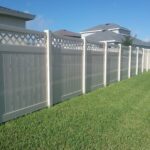
Concrete example: In South Tampa one homeowner replaced a rotting picket fence with a CertainTeed-style vinyl system, asked the installer to set posts 42 inches deep, and added stainless fasteners plus hurricane straps. Vilo Fence handled the permit, and the result cut annual maintenance to a quick wash while meeting HOA requirements and standing up in seasonal storms.
Practical judgment: Don’t treat warranties as a substitute for proper engineering. Material warranties rarely cover wind failure or improper fastening, and municipalities can void work done without a permit. If you value reliable storm performance and an insurance-friendly installation, use a contractor who will pull permits and specify wind-rated hardware — see Hillsborough County permit requirements.
Next consideration: Match material performance to your lot exposure and HOA rules before comparing bids — or request a site visit from a licensed local installer such as Vilo Fence who can confirm permit needs and recommend wind-rated options.
Frequently Asked Questions
Straight answers: Below are the practical responses Tampa homeowners actually need when planning a privacy fence installation, not theoretical best practices. Each item highlights a decision point that changes long term performance, cost, or permit risk.
- Cost expectations: Installed price depends on material, height, gates, site prep, and permit work. Ask contractors for an itemized quote that separates material, labor, permit fees, site remediation, and gate hardware so you can compare apples to apples.
- Permits and approvals: Many installs require a permit or HOA signoff in Hillsborough County and City of Tampa. Have the installer confirm permit responsibilities in writing. If you skip permits you risk a stop work order and possible rework to meet code.
- Best material for salt and humidity: Nonporous systems and modern composites resist rot and salt better than untreated wood. If you prefer wood for aesthetics, require pressure treated posts and corrosion-resistant hardware to reduce failure near the bay.
- Post depth and structural design: Post depth should be based on soil, exposure, and wind loads rather than a universal number. On exposed lots expect an engineered specification; on sheltered lots a standard structural depth is usually adequate. Insist on an install plan that lists footing dimensions and reinforcement.
- DIY versus professional install: DIY is reasonable for small, level yards with prefabricated panels. Hire a pro for steep slopes, drive gates, permit handling, or when you want a wind-rated installation and a labor warranty.
- Maintenance realities: Wood will require periodic sealing or staining and ongoing termite vigilance. Vinyl and composite reduce routine maintenance but will still need cleaning and occasional fastener checks after storms.
- Project timeline: The physical install typically takes a few days once the site is ready; the longer lead times are permit processing and scheduling for heavy equipment or engineered work. Plan for permit wait time when booking.
Concrete example: A Westchase homeowner tried a weekend DIY cedar install and was stopped by their HOA because the front setback rules were not followed. Fixing it required removing panels, submitting an HOA variance, and hiring a licensed installer to re-set posts to the approved line. The homeowner paid more overall than if they had consulted with a local installer and confirmed setbacks first.
Practical judgment: Cheap bids often hide the details that matter in Tampa: insufficient footings, plain-steel fasteners, and omitted hurricane straps are common cost-saving shortcuts that fail in storms. Focus on the installation specification, not only the per-foot number.
Next actions you can take now:
- Verify permit needs: Check with Hillsborough County Permits or have a contractor confirm and pull permits.
- Get three itemized bids: Include permit handling, footing specs, hardware grades, and gate details so you can compare true scope and cost.
- Book a site visit: Schedule an on-site estimate with a local installer such as Vilo Fence if you want permit handling and wind-rated hardware included.
- Call 811: Mark utilities before digging to avoid delays and liability.