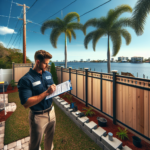

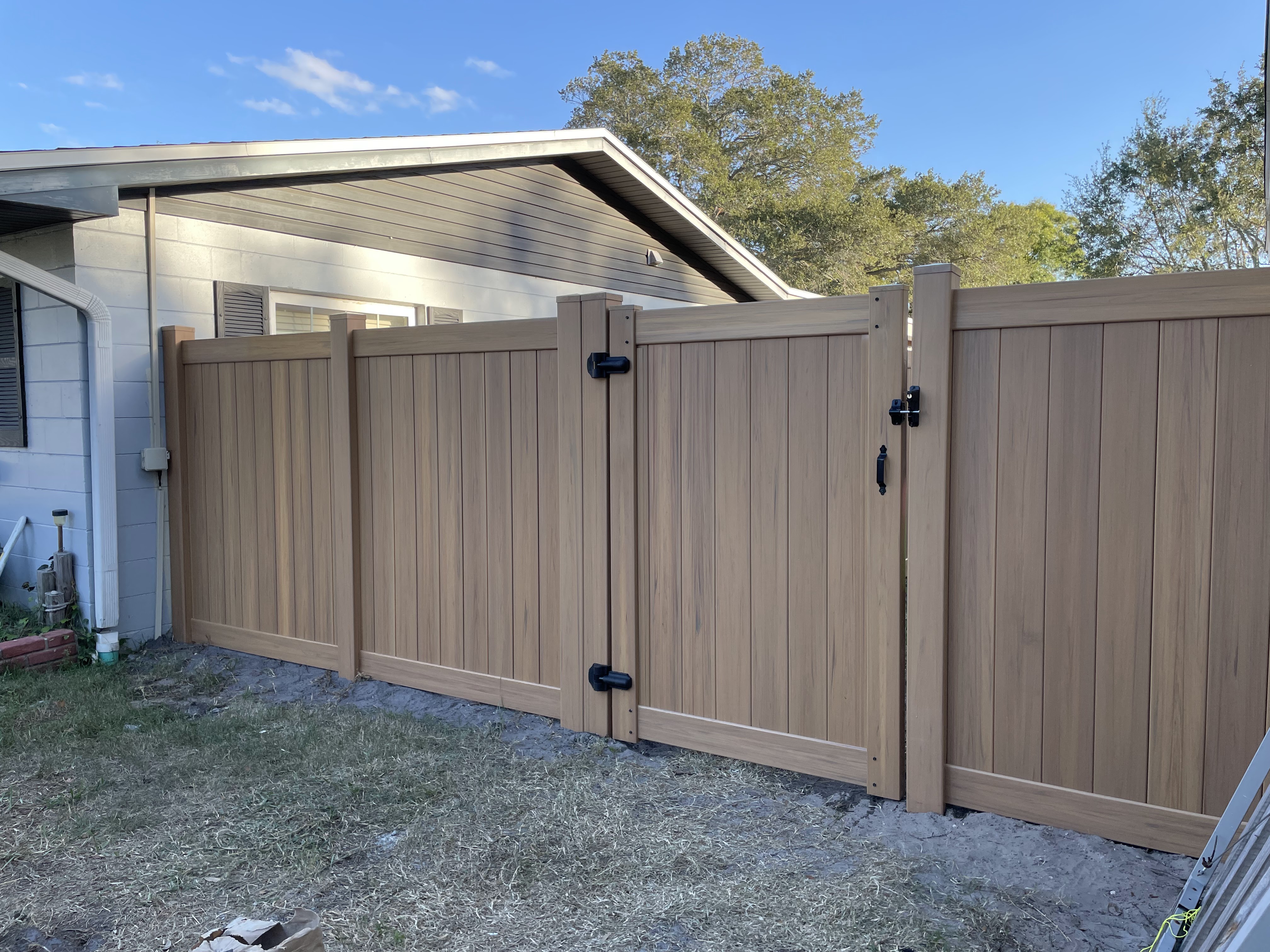
Choosing the right fence builders matters in Tampa, where salt air, humidity and hurricane winds will quickly expose weak materials and poor installation. This guide walks Tampa homeowners and property managers through the material choices, realistic cost and timeline expectations, permit and HOA hurdles, and a contractor checklist that separates quality installers from shortcuts. You will finish with practical maintenance steps and local tips to keep your fence durable and compliant.
Why hire professional fence builders in Tampa
Hard truth: a fence done cheaply or by an inexperienced homeowner usually costs more over five years in Tampa. Local climate and code create failure modes that show up as rot, rust, bowed panels, and gate sag — problems professionals anticipate and design against.
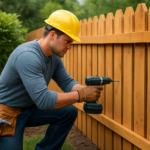
What professionals buy you: experienced fence builders bring accurate site assessments, vendor relationships for higher-grade materials, and installation methods sized to local wind loads and corrosive salt air. That matters because material selection and attachment details determine whether a fence lasts 7 years or 20.
What professional fence builders actually handle
- Engineering to code: sizing posts and footings to meet Florida Building Code wind requirements rather than relying on generic rules of thumb
- Corrosion mitigation: specifying galvanized or powder-coated hardware and recommending marine-grade coatings where salt exposure is significant
- Permits and documentation: preparing site plans, engineered details, and permit applications or submitting them for you to avoid fines — see Hillsborough County permitting
- Utility coordination and safe digs: ordering
811locates and adjusting layout for concealed services to avoid costly rework - Warranties and follow-up: offering workmanship warranties and a clear scope so problems after installation are fixed without finger-pointing
Trade-off to accept: hiring pros raises initial cost but reduces future repair and replacement expenses; if your priority is lowest upfront price, expect shorter life and higher cumulative cost. Small, low-height garden fences on stable flat lots can be DIY, but anything near the coast, on slopes, or over 4 feet tall is worth hiring a pro.
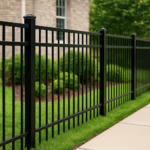
Concrete Example: Vilo Fence installed a 120-foot coastal fence using galvanized steel posts set in concrete footings with powder-coated aluminum panels and stainless fasteners. The owner avoided premature rust and preserved gate alignment after two tropical storms because the installation matched wind-rated details and corrosion controls.
Judgment: check what the contractor actually warrants. Many warranties exclude storm damage, incorrect site drainage, or soil erosion. Prefer a written warranty that names coverage period, materials covered, and an explicit process for post-storm inspections.
Hiring experienced, local fence builders reduces long-term cost and regulatory risk — the cheapest bid is rarely the best value in Tampa.
Frequently Asked Questions
Direct answers for decisions: Below are the questions Tampa property owners ask most when hiring fence builders, with practical guidance you can act on immediately rather than generalities.
Contractor selection and scope
- How do I judge bids that look similar? Get a written breakdown that separates material grade, installation method, gate hardware and site work. Bids that bury these details in a lump sum are hiding risk.
- Who sorts boundary lines and disputes? A licensed surveyor is the right call if title lines are unclear. Expect the installer to follow the survey; do not assume the contractor will resolve neighbor boundary disagreements without a survey.
- What payment schedule is reasonable? A modest deposit, a mid-job payment tied to measurable progress, and a final release after inspection and cleanup is standard. Avoid large cash demands before work begins.
Permits, HOAs and on-site prep
Permit handling: Many projects in Hillsborough County need formal filings and engineered details for wind resistance. Ask any prospective fence builder whether they submit paperwork on your behalf or whether you receive assembled documents to file yourself; this affects liability and timing.
HOA approvals: Provide sample panels, accurate elevations, and a brief project timeline up front. Waiting until after award to start HOA paperwork is the most common schedule killer.
Maintenance, warranties and storm work
Warranty reality check: Most workmanship guarantees cover installation defects, not damage from severe weather or neglected maintenance. Insist on a written claim process and a contact for post-storm inspections.
When to call for repairs vs replacing: Local conditions accelerate failures; isolated panel damage is usually repairable, while multiple weakened posts or widespread corrosion means replacement. Expect a contractor to document deterioration with photos and recommendations.
Concrete Example: A homeowner in Davis Islands replaced failing pine slats with powder-coated aluminum and stainless connectors. The fence installer handled the HOA submission, adjusted anchoring for saturated soils, and returned for a free post-storm check — preventing a repeat failure the following season.
Practical trade-off: If your priority is lowest initial outlay, expect compromises on metal thickness, coating quality, and installation reinforcement. Paying for better materials and thorough site prep buys measurable longevity in Tampa’s environment.
Get the documentation you need up front: a signed scope with exact materials, a clear start/end timetable, and the contractor responsibility for filing or delivering permit-ready documents.
- Schedule a site visit with two reputable local fence builders and compare written scopes.
- Ask for permit examples they previously filed in Hillsborough County and one local reference.
- Hold the final payment until you have a post-install inspection and signed handover.