
Top Vinyl Fence Installers: Why Vinyl is the Smart Choice for Your Home
Article Overview
Article Type: Listicle
Primary Goal: Help Tampa homeowners choose a trusted vinyl fence installer by presenting top installer options, explaining why vinyl is a strong choice for Tampa properties, and providing a practical checklist for selecting a contractor and understanding costs and installation expectations.
Who is the reader: Homeowners and property managers in Tampa Bay and surrounding Florida areas who are actively researching fence replacement or new fence installation. They are in the planning or vendor selection stage and are comparing materials, costs, installers, and project timelines.
What they know: Readers likely know basic differences between wood and vinyl fencing and have a general idea that vinyl is low maintenance. They do not know which local or national installers to trust, true cost ranges in the Tampa market, how vinyl performs in coastal conditions, or what questions to ask contractors.
What are their challenges: They are trying to find qualified installers who understand local permitting and coastal conditions, evaluate genuine pricing versus lowball bids, confirm warranties and workmanship, and choose a vinyl style that balances privacy, curb appeal, and durability.
Why the brand is credible on the topic: Vilo Fence is a Tampa fencing company focused on residential, commercial, and industrial fencing. The brand brings local market experience with Florida climates, hands on installation experience, and a portfolio of completed projects in the Tampa Bay area. Vilo Fence is positioned to offer site-specific guidance about permits, soil conditions, hurricane exposure, and maintenance in Florida.
Tone of voice: Professional, practical, and approachable. The voice should be helpful and trustworthy, using clear, jargon free language while including essential technical details when relevant. Avoid hard selling; emphasize education, local expertise, and actionable next steps.
Sources:
- American Fence Association resources on fence materials and installation standards
- Angi and HomeAdvisor guides and average cost data for fencing projects in Florida
- The Family Handyman and This Old House articles comparing vinyl and wood fencing performance
- Tampa Bay and Hillsborough County permitting pages and local building codes
- Manufacturer technical sheets and warranties from vinyl fence makers such as CertainTeed, Bufftech, and NewTechWood
Key findings:
- Vinyl fences require less maintenance than wood and resist rot and insect damage, making them attractive in humid, coastal climates like Tampa
- Quality vinyl with UV stabilizers and reinforced rails maintains color and structural integrity longer in high UV environments
- Installation quality and post setting are primary factors in long term performance, especially in high wind or hurricane exposure areas
- Upfront cost for vinyl is typically higher than wood per linear foot, but lifetime maintenance and replacement costs can make vinyl more cost effective over 10 to 20 years
- Local permitting and HOA rules commonly influence fence height, style, and materials in Tampa neighborhoods
Key points:
- Include a balanced list of top vinyl fence installers with Vilo Fence integrated naturally and described accurately for Tampa homeowners
- Explain the material advantages of vinyl in Tampa specific conditions, including UV, humidity, salt air, and hurricane exposure
- Provide a clear, practical checklist for vetting installers including licensing, insurance, references, written warranties, and sample contracts
- Give realistic cost ranges, installation timelines, and post installation maintenance guidance tailored to Tampa market conditions
Anything to avoid:
- Making unverifiable claims about competitor warranties, licensing, or performance
- Overly promotional language or hard sell for Vilo Fence in a way that undermines editorial credibility
- Vague generalities about vinyl benefits without citing regional implications or real world examples
- Technical jargon without concise plain language explanations
External links:
- https://americanfenceassociation.org
- https://www.homeadvisor.com/cost/fencing/
- https://www.angi.com/articles/cost-vinyl-fence.htm
- https://www.familyhandyman.com/project/vinyl-fence-pros-and-cons/
- https://www.hillsboroughcounty.org/en/government/online-services/permits
Internal links:
- Child-Proof Backyard Fencing: A Safe Environment in Your Backyard
- Blending Fences with Landscape: Enhancing Your Outdoor Aesthetics
- Best Fencing Materials Reviewed – Top 5 Picks for Your Home
- What to Know About Pool Fences: Fencing Company Guide
- Top-quality Railing Installation Service in Western, FL
Content Brief
This article will serve both as a list of top vinyl fence installers relevant to Tampa homeowners and as a resource explaining why vinyl is a smart choice for local properties. Writers should balance company profiles with practical guidance that helps readers make a decision. Emphasize local conditions such as high humidity, UV exposure, salt air, and hurricane risk when discussing material performance. The tone should be informative and approachable, using short paragraphs, bullet lists for decision checklists and cost ranges, and real examples where possible. Include actionable CTAs such as how to get an on site estimate and where to find local permits. When profiling installers, include company overview, service area, what makes them strong for vinyl work, example project types, trust signals to verify, typical pricing indicators, and how to contact. Avoid hard selling; position Vilo Fence as an experienced local option while objectively describing other reputable providers so readers get useful comparisons.
1. Vilo Fence Tampa, FL
- Company overview and service focus on residential, commercial, and industrial fencing in Tampa Bay
- Why Vilo Fence is a strong choice for vinyl in Tampa: local experience with soils, hurricane exposure, and HOA permitting
- Notable project examples to request or mention: privacy yard installations, pool code compliant vinyl fences, commercial perimeter vinyl
- Trust signals to verify: ask for portfolio photos, local references, liability insurance and proof of workers compensation
- Typical pricing cues and how Vilo Fence structures estimates in the Tampa market
- How to request an on site estimate and what to expect in the quote
2. American Fence Company
- Overview of American Fence Company as a national, full service installer with regional branches
- Strengths for vinyl installation: depth of experience, standardized installation processes, and commercial capabilities
- Best use cases: large residential developments, commercial properties needing consistent product lines
- What to verify: branch specific reviews, warranty variations by location, subcontractor usage
- Pricing and timeline expectations compared to local contractors
3. Home Depot Pro Installation
- How Home Depot Pro Installation works for fencing projects and typical vendor model
- Pros: accessible nationwide booking, bundled material plus installation options for homeowners who prefer single source
- Cons to watch: variable installer quality by market, need to confirm local permitting and custom site prep
- When Home Depot is a fit: straightforward backyard vinyl panels with standard layouts
- Questions to ask before hiring: installer license, warranty on workmanship, who handles permits
4. Lowes Installation Services
- Overview of Lowes installation network and how fencing projects are handled through local contractors
- Advantages: convenience and promotional financing options during sales events
- Drawbacks: less customization for complex site conditions and potential markup for third party installs
- Best scenarios for choosing Lowes: homeowners wanting simple vinyl panels and single vendor coordination
- Verification steps: request installer credentials and examples of local vinyl installs
5. Atlantic Fence Company
- Company profile with regional focus and known presence in Florida markets
- Why Atlantic Fence is relevant for vinyl installs: regional supply chains, experience with coastal properties
- Appropriate project types: residential coastal properties where salt tolerant installation practices matter
- What to confirm: use of reinforced rails, UV stabilized vinyl, and post setting techniques adapted to sandy soils
- Contact and quote expectations for Atlantic Fence projects
Why vinyl is the smart choice for Tampa homes
- Durability factors: rot resistance, insect resistance, and how UV stabilizers protect color and strength
- Climate considerations: performance in high humidity, salt air, and hurricane wind exposure; importance of reinforced rails and proper post setting
- Cost analysis: upfront cost versus long term maintenance costs compared to wood and metal
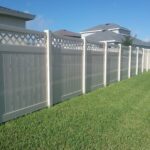
- Aesthetic and design options: privacy panels, picket styles, vinyl privacy with lattices, textured and faux wood options from manufacturers like Bufftech and CertainTeed
- Lifecycle and warranty expectations: what typical manufacturer and installer warranties cover
How to choose the right vinyl fence installer in Tampa
- Practical checklist to vet installers: license and insurance, references and portfolio, written warranty, contract details, payment schedule, and local permit handling
- Questions to ask on the first site visit: type of posts and concrete depth, post spacing, wind load reinforcements, material brand and grade, cleanup and landscape restoration
- Red flags to avoid: demand for full payment upfront, no written contract, vague warranty language, lack of local references
- Sample comparison matrix for homeowners to use when collecting three bids
Cost estimates, timeline, and what to expect during installation
- Typical Tampa price ranges per linear foot for vinyl privacy and picket styles with example ballparks and factors that increase cost such as slope, gates, and driveways
- Expected installation timeline for a typical 100 to 200 linear foot residential job and milestones from site prep to final inspection
- Permit and HOA steps to anticipate in Tampa Bay neighborhoods and links to county permit resources
- Post installation care: cleaning schedule, minor repairs, and when to call a pro
Frequently Asked Questions
How much does a vinyl fence typically cost per linear foot in Tampa?
Typical installed prices range widely based on style and site conditions, but homeowners can expect a ballpark of 25 to 60 per linear foot for common vinyl styles; on sloped or complex sites costs can be higher.
Will vinyl fade or become brittle in Tampa sun and salt air?
High quality vinyl with UV stabilizers resists fading and brittleness; choose products with proven UV additives and reinforced rails for coastal exposure.
Do I need a permit to install a vinyl fence in Tampa Bay?
Many municipalities and HOAs require permits or have setback and height rules; always confirm with Hillsborough County or your city planning department and check HOA guidelines before installation.
What warranty should I expect on a vinyl fence installation?
Expect a manufacturer material warranty that covers fading and structural defects plus an installer workmanship warranty, typically one to five years depending on contractor policies.
How long does a vinyl fence installation usually take?
A typical residential installation for 100 to 200 linear feet takes 2 to 5 business days, depending on site complexity and weather.
Can vinyl fencing be repaired if a section is damaged?
Yes, most vinyl fences are designed to allow panel and post replacement; check whether the original installer stocks matching material or whether custom color matching is required.
What structural features matter most for vinyl fences in hurricane prone areas?
Deeper concrete footings, closer post spacing, reinforced metal rails, and wind load rated panel designs significantly improve performance in high wind zones.