
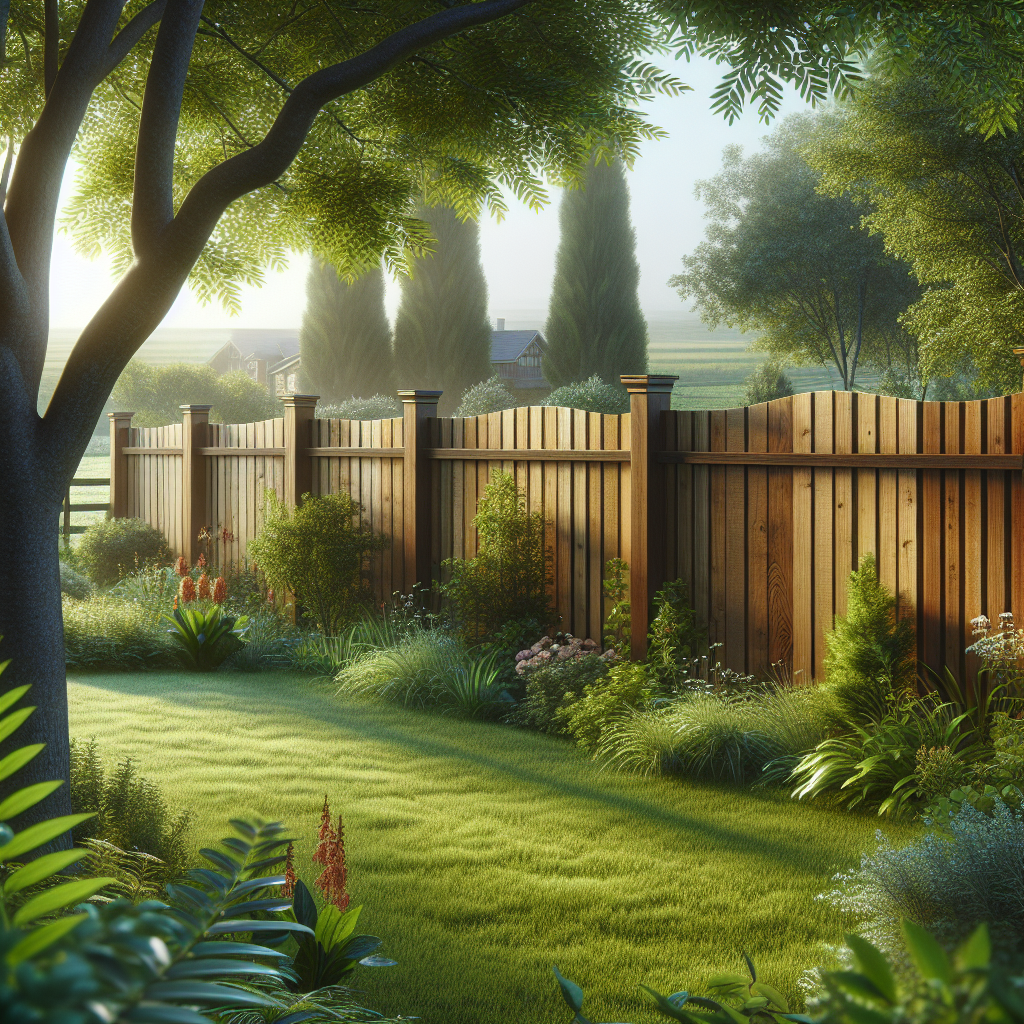
The Ultimate Guide to Custom Wood Fence Design and Installation
Understanding Wood Types for Fencing
Choosing the right wood for your fence isn’t just a matter of aesthetics; it’s about durability, maintenance, and even the local climate. Did you know that untreated wood can last anywhere from 5 to 10 years, while properly treated options can endure for decades? If you’re not careful, you could end up with a rickety fence that looks like it survived a hurricane after just a few seasons.
Popular Wood Types for Fencing
Let’s break down some of the most common wood types you’ll encounter when searching for wood fence contractors near me. Each type comes with its own set of pros and cons that could influence your decision.
- Cedar: Naturally resistant to rot and insects, cedar is a popular choice. It’s lightweight and has a beautiful grain but may require regular sealing to maintain its color.
- Redwood: Known for its rich color and durability, redwood can last up to 30 years with proper care. However, it tends to be pricier than other options.
- Pressure-Treated Pine: This is your budget-friendly option. It’s treated with chemicals to resist decay and insects but may warp over time if not maintained.
- Spruce: Often used for temporary fencing due to its lower cost, spruce is less durable than other woods but can be painted or stained easily.
Factors Influencing Your Choice
But how do I decide? I hear you asking. Consider these factors before making your choice:
- Climate: If you live in an area with high humidity or extreme temperatures, some woods will fare better than others.
- Maintenance: Are you ready to commit to regular upkeep? Some woods require more attention than others.
- 'Aesthetics: Consider how the wood will complement your home and landscape. Do you want a rustic look or something more modern?
Key takeaway: Choosing the right wood type can significantly impact the longevity and appearance of your fence.
The Cost Factor
Price can also vary widely depending on the type of wood. For example, while pressure-treated pine might cost around $1-$2 per linear foot, redwood could set you back $5-$10 per linear foot. It’s essential to balance quality with budget—after all, investing in a higher-quality wood might save you money in repairs down the line.
Design Considerations for Custom Wood Fences
If you think designing a custom wood fence is as easy as picking a color and slapping it together, think again! A poorly designed fence can not only ruin your yard's aesthetic but also leave you with more headaches than a DIY plumbing project gone wrong.
Let’s face it: your fence is the first thing people see when they approach your property. It’s like the cover of a book—if it’s not appealing, folks might assume the inside isn’t worth reading. So, let’s explore some key design considerations that will help you create a stunning and functional wood fence.
Functionality vs. Aesthetics
Before you dive headfirst into Pinterest boards filled with dreamy fences, take a moment to reflect on what you actually need. Are you looking for privacy? Security? Or just something that looks good while keeping the neighbor's dog from using your lawn as its personal restroom? Understanding the primary function of your fence will guide your design choices.
Functionality should lead aesthetics, but they don’t have to be mutually exclusive.
Height Matters
How tall should my fence be? is one of the most common questions I get from clients. The answer often depends on local regulations and what you're trying to achieve. For example, if you're in a suburban area and want to keep things friendly while still adding some privacy, a height of around 6 feet is usually ideal. But if you're in a more rural setting where wildlife is an issue, consider going higher—just make sure it doesn’t look like Fort Knox!
- Check local zoning laws for maximum height restrictions.
- Consider how tall neighboring fences are to maintain harmony.
- Think about how height impacts visibility and light in your yard.
Style Is Not Just for Instagram
But I want my fence to look unique! I hear this all the time. And yes, there are plenty of styles to choose from—picket, board-on-board, shadowbox—you name it! But remember that each style comes with its own set of maintenance requirements and costs.
Choosing the Right Wood Fence Contractors
Finding reliable wood fence contractors near me can feel like searching for a needle in a haystack. With so many options out there, it’s easy to get overwhelmed and end up with a contractor who leaves you more frustrated than satisfied.
Imagine this: you’ve finally decided to build that beautiful wood fence to enhance your yard's curb appeal. You do your research, hire a contractor based on a glowing online review, and then watch in horror as they botch the installation. Suddenly, your dream fence looks like a modern art installation gone wrong. Not exactly what you had in mind!
What to Look For
When sifting through the candidates, consider these crucial factors to avoid disappointment:
- Experience: Look for contractors with years of experience specifically in wood fencing. Ask for examples of their previous work.
- Reviews and References: Don’t just skim through star ratings—read actual reviews and ask for references from past clients.
- Licensing and Insurance: Ensure they are licensed and insured to protect yourself from potential liabilities.
- Detailed Estimates: A good contractor should provide transparent estimates that break down costs for materials, labor, and any additional fees.
Red Flags to Avoid
If it sounds too good to be true, it probably is. This age-old adage rings especially true when hiring contractors. Here are some red flags that should make you think twice:
- * Unusually low bids: If one contractor's estimate is significantly lower than others, they may be cutting corners or using subpar materials.
- * Lack of communication: If they’re slow to respond or vague about details during your initial conversations, that’s a sign of potential trouble ahead.
- * No written contract: Always insist on a detailed written contract outlining the scope of work, timeline, and payment schedule.
Key takeaway: Choosing the right wood fence contractor can save you time, money, and headaches down the road.
Trust Your Gut
Trust your gut isn’t just advice for dating; it's also essential when selecting contractors. If something feels off during your interactions—whether it's their demeanor or how they handle questions—don’t hesitate to keep looking.
Ultimately, investing time into finding reputable wood fence contractors near me will pay off in spades when you end up with a stunning fence that enhances your property’s value and aesthetic appeal.
Preparing Your Site for Installation
Before you can bask in the glory of your stunning new wood fence, there's a little thing called preparation that needs your attention. Think of it as laying the groundwork—literally! Without proper site preparation, you might as well be trying to build a sandcastle at low tide.
Proper site preparation can save you time, money, and headaches down the line.
Assess Your Property
Start by surveying your property like a detective on a mission. Identify where the fence will go, taking note of any obstacles such as trees, shrubs, or that suspiciously large rock that seems to have taken up permanent residence in your yard. If you're planning to hire wood fence contractors near me, they’ll appreciate having this info upfront.
- Mark the perimeter with stakes and string to visualize the layout.
- Check for underground utilities by calling local utility companies—nobody wants to accidentally cut through a power line.
- Ensure you have enough space for posts and panels without crowding existing structures.
Clear the Area
Out with the old! should be your mantra here. Clear away any debris, old fencing materials, or pesky weeds that could interfere with installation. This isn't just about aesthetics; it’s crucial for ensuring a solid foundation for your new fence.
- * Remove any plants or bushes within the planned fence area.
- * Dispose of any old fencing materials responsibly—don’t just toss them in the backyard!
- * Level out any uneven ground if possible to prevent future issues with stability.
Know Thy Neighbor
Good fences make good neighbors, right? Before you start digging holes, chat with your neighbors about your plans. This is especially important if you're close to property lines. You don’t want to find yourself in a dispute over where exactly that fence belongs!
Permits and Regulations
Check local zoning laws and regulations regarding fence installation before breaking ground. Some areas require permits for fences above a certain height or specific designs. Trust me; it’s better to spend an hour researching than facing fines later on.
Once you've crossed all these T's and dotted all those I's, you're ready for installation day! A little prep work goes a long way in ensuring that your custom wood fence not only looks great but stands strong against whatever Mother Nature throws its way.
Installation Techniques for Custom Wood Fences
If you think that a custom wood fence can be installed with just a few nails and some elbow grease, think again! The right installation techniques can mean the difference between a fence that stands tall for years and one that leans like an old man at a bar. Let’s break down the steps to ensure your wood fence is the envy of the neighborhood.
Gather Your Tools and Materials
Before you start digging holes like you're on an archeological dig, make sure you have all your tools ready. Here’s a quick checklist to get you started:
- Post hole digger or auger for digging holes.
- Level to ensure everything is straight.
- Measuring tape for accuracy.
- Concrete mix for securing posts.
- Wood panels, nails, and screws depending on your design.
Marking and Digging Post Holes
Now that you’re equipped, it’s time to mark where your posts will go. Use stakes and string to outline your fence line. This will help keep everything aligned. Once marked, it’s time to dig those post holes—ideally about one-third of the post should be underground for stability.
Tip: The depth of the hole should be below the frost line in colder regions to prevent shifting during freeze-thaw cycles.
Setting Posts Like a Pro
- Place post in hole and check level.
- Pour concrete mix around the post.
- Fill with water if needed and let set according to package instructions.
Attaching Panels
Once your posts are set (and don’t forget to give them time to cure!), it’s time to attach your wood panels. Depending on your design—whether it's board-on-board or shadowbox—you'll want to ensure that each panel is level as you go along.
Alignment is key! Misaligned panels can ruin the aesthetic of even the most beautiful wood.
Finishing Touches
After all panels are attached, it's time for finishing touches—think trim pieces or caps on top of posts if desired. Don’t forget about sealing or staining your new fence; this will not only enhance its beauty but also extend its lifespan against weathering.
Finishing Touches: Treatments and Stains
If you think your wood fence is ready to shine just because it's standing tall, think again! The finishing touches—like treatments and stains—can make or break its longevity and appearance. Without them, your beautiful fence could quickly turn into a weathered eyesore.
According to the American Wood Council, untreated wood can lose up to 50% of its strength after just a few years of exposure to the elements. That’s like trusting a flimsy umbrella in a hurricane! So, investing in proper treatments isn’t just about looks; it’s about protecting your investment.
Why Treatments Matter
Treatments are essential for preserving the integrity of your fence. They help prevent rot, repel insects, and shield against moisture. Picture this: a neighbor's untreated pine fence standing proudly one summer only to be reduced to splinters by winter's wrath while yours remains intact. That’s the power of treatment!
- Rot Resistance: Treatments like pressure treatment infuse wood with preservatives that fend off decay.
- Insect Deterrence: Chemicals in treatments can repel termites and other pests looking for a cozy home.
- Moisture Protection: Sealants create a barrier against rain and humidity, reducing warping and cracking.
Choosing the Right Stain
Stain isn’t just something you worry about when you spill coffee on your favorite shirt; it’s also crucial for maintaining your wood fence's aesthetic appeal. A good stain not only enhances the natural beauty of the wood but also provides an extra layer of protection against UV rays.
- * Semi-Transparent Stains: These allow the grain to show through while adding color and UV protection.
- * Solid Stains: Perfect for hiding imperfections but may require more frequent reapplication.
- * Clear Sealants: Ideal for those who want to maintain the natural look but still need some protection.
A well-stained fence can increase property value by up to 10%!
When Should You Apply Treatments?
Timing is everything! Ideally, you should apply treatments right after installation while the wood is still fresh. However, if you're reviving an old fence, clean it thoroughly first—think soap-and-water level clean—to remove dirt or mildew before applying any products.
Remember that maintenance doesn’t stop once you've applied treatments. Regular inspections every couple of years will help you identify areas that need touch-ups or reapplication before they become problematic.
Ultimately, investing time in these finishing touches can make all the difference between a lackluster fence that fades into the background and one that stands out as a stunning feature of your property. So grab those brushes and get ready to elevate your fencing game!
Long-term Maintenance Strategies for Wood Fences
A wood fence can be a stunning addition to your property, but without proper maintenance, it can quickly become an eyesore. You wouldn’t let your car rust in the driveway, so why would you neglect your fence? Here’s the hard truth: untreated wood fences can lose up to 50% of their strength in just a few years. That’s like trusting a flimsy umbrella in a hurricane!
Regular Inspections: The Foundation of Longevity
Think of regular inspections as your fence's annual check-up. Just like you’d visit the doctor for a routine physical, your fence needs attention too! Aim for at least two inspections a year—once in spring and once in fall. Look for signs of wear and tear, rot, or insect activity. Catching issues early can save you from costly repairs down the line.
- Check for loose boards or panels that need tightening.
- Inspect the bottom of the posts for signs of rot or decay.
- Look for insect nests or damage, especially termites.
Cleaning: Keep It Fresh
A good cleaning goes a long way! Dirt and mildew can accumulate on your fence over time, making it look shabby and inviting decay. Use a power washer or mix water with mild detergent to give it a gentle scrub down. Just remember—don’t blast it like you’re trying to remove graffiti; a gentle touch will suffice!
Tip: Avoid using bleach as it can damage the wood and surrounding plants.
Sealing and Staining: Protect Your Investment
After cleaning, applying a sealant is crucial. This acts as armor against moisture and UV rays, which can warp and fade your wood over time. Ideally, you should apply sealant every two to three years depending on exposure to the elements.
- Choose semi-transparent stains that allow the wood grain to show through while providing protection.
- Apply sealant on dry days when temperatures are mild—this ensures better adhesion.
- Don’t forget about vertical surfaces; they need love too!
Addressing Damage Promptly
If you spot any damage during inspections—whether it's splintered boards or leaning posts—address it immediately! Leaving these issues unresolved is like ignoring that weird noise coming from your car engine; it won’t fix itself! Replace damaged sections promptly to prevent further deterioration.
Environmental Considerations in Wood Fence Selection
Choosing a wood fence isn’t just about aesthetics or durability; it’s also about being a responsible steward of the environment. Did you know that around 30% of the world’s forests are being cut down unsustainably? That’s a staggering number, and it’s crucial to think about where your wood is coming from.
When you’re on the hunt for wood fence contractors near me, consider asking them about their sourcing practices. Are they using sustainably harvested wood? If not, you might end up contributing to deforestation without even realizing it. Let’s explore how to make eco-friendly choices when selecting materials for your fence.
Sustainable Wood Choices
Not all wood is created equal when it comes to sustainability. Here are some types that stand out as environmentally friendly options:
- Bamboo: Rapidly renewable and incredibly strong, bamboo is a fantastic alternative to traditional woods.
- Cedar: Naturally resistant to rot and insects, cedar can last for decades with minimal treatment, reducing the need for replacements.
- Reclaimed Wood: Using salvaged wood not only gives your fence character but also minimizes waste and reduces demand for new lumber.
Key takeaway: Choosing sustainable wood types can significantly reduce your environmental impact while enhancing your property.
Certifications to Look For
Certifications are like gold stars in the world of sustainable forestry. Look for woods that come with certifications from organizations like the Forest Stewardship Council (FSC) or Sustainable Forestry Initiative (SFI). These labels ensure that the wood was sourced responsibly, supporting healthy forest management practices.
Here’s a pro tip: When contacting local wood fence contractors near me, ask them if they carry certified materials. It might seem like a small detail, but it can make a huge difference in promoting sustainability.
The Life Cycle of Your Fence
Think about the entire life cycle of your fence—from production and transportation to installation and eventual disposal. Choose materials that require less energy to transport (like local options) and consider how long they’ll last before needing replacement. A longer-lasting fence means fewer resources wasted over time.