

Comparing Local Fence Options: Styles, Materials, and Cost Guide
Evaluating Common Fence Styles in Your Area
Did you know that the right fence can increase your property value by up to 20%? That’s not just a number pulled from thin air; it’s a statistic that many real estate agents swear by. But before you start Googling fences near me, let’s take a closer look at the styles available in your area and what they really bring to the table.
The Classic Pick: Wood Fences
Wood fences are like that dependable friend who shows up with pizza on movie night. They’re versatile, aesthetically pleasing, and can fit into almost any landscape. Whether you’re going for a rustic vibe or a more polished look, wood can be stained or painted to match your style. But beware—wood requires maintenance like a pet needs walks. If you live in a humid area, rot could be an issue, so make sure to consider the local climate before committing.
The Modern Marvel: Vinyl Fences
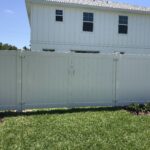
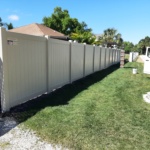
Vinyl fences are the superheroes of low-maintenance fencing. They don’t warp, fade, or require painting—just a quick rinse with a hose and they’re good as new! However, they can be pricier upfront compared to wood. If you’re in an HOA-governed neighborhood, vinyl might also be favored for its clean lines and uniform appearance. Just keep in mind that not all vinyl is created equal; some cheaper options can become brittle over time.
The Timeless Choice: Chain Link Fences
Functional is the name of the game with chain link fences. They provide security without blocking views—perfect for those who want to keep an eye on their kids or pets while still enjoying their backyard scenery. However, if aesthetics are high on your priority list, chain link may not be your best bet unless you get creative with some climbing plants or privacy slats.
Tip: Check local regulations! Some neighborhoods have specific rules about fence heights and materials.
The Elegant Option: Wrought Iron Fences
Fancy doesn’t even begin to describe wrought iron fences. These beauties scream elegance and durability but come with their own set of challenges—namely, cost and maintenance. While they withstand time better than most materials, rust can be an issue if not properly treated. Plus, installation can require professional help due to their weight and design intricacies.
Fences Near Me: Researching Local Options
- Research local regulations regarding fencing styles.
- Visit nearby homes to see what styles resonate with you.
- Consult professionals for insights on installation and durability.
Exploring local options helps ensure compliance with neighborhood aesthetics.
Did you know that the right fence can increase your property value by up to 20%? That’s not just a number pulled from thin air; it’s a statistic that many real estate agents swear by. But before you start Googling fences near me, let’s take a closer look at the styles available in your area and what they really bring to the table.
The Classic Pick: Wood Fences
Wood fences are like that dependable friend who shows up with pizza on movie night. They’re versatile, aesthetically pleasing, and can fit into almost any landscape. Whether you’re going for a rustic vibe or a more polished look, wood can be stained or painted to match your style. But beware—wood requires maintenance like a pet needs walks. If you live in a humid area, rot could be an issue, so make sure to consider the local climate before committing.
The Modern Marvel: Vinyl Fences
Vinyl fences are the superheroes of low-maintenance fencing. They don’t warp, fade, or require painting—just a quick rinse with a hose and they’re good as new! However, they can be pricier upfront compared to wood. If you’re in an HOA-governed neighborhood, vinyl might also be favored for its clean lines and uniform appearance. Just keep in mind that not all vinyl is created equal; some cheaper options can become brittle over time.
The Timeless Choice: Chain Link Fences
Functional is the name of the game with chain link fences. They provide security without blocking views—perfect for those who want to keep an eye on their kids or pets while still enjoying their backyard scenery. However, if aesthetics are high on your priority list, chain link may not be your best bet unless you get creative with some climbing plants or privacy slats.
Tip: Check local regulations! Some neighborhoods have specific rules about fence heights and materials.
The Elegant Option: Wrought Iron Fences
Fancy doesn’t even begin to describe wrought iron fences. These beauties scream elegance and durability but come with their own set of challenges—namely, cost and maintenance. While they withstand time better than most materials, rust can be an issue if not properly treated. Plus, installation can require professional help due to their weight and design intricacies.
Fences Near Me: Researching Local Options
- Research local regulations regarding fencing styles.
- Visit nearby homes to see what styles resonate with you.
- Consult professionals for insights on installation and durability.
Exploring local options helps ensure compliance with neighborhood aesthetics.
Material Durability and Maintenance Requirements
You might think that all fences are created equal, but here’s the kicker: the material you choose can make or break your fence’s lifespan and upkeep. For instance, did you know that a well-maintained wood fence can last up to 20 years, while a neglected one might only survive half that long? Choosing the right fencing material isn’t just about aesthetics; it’s about long-term durability and how much elbow grease you’re willing to invest.
Wood Fences: The Beauty and the Beast
Wood fences are like that charming friend who always looks good but requires a bit of attention. They need regular staining or sealing to fend off rot and insect damage. In humid areas, this could mean annual maintenance to keep your fence looking sharp. The good news? When properly cared for, wood fences can age gracefully—think of them as fine wine, getting better with time (as long as you don’t let them turn into vinegar).
Vinyl Fences: The Low-Maintenance Wonder
If wood is your high-maintenance friend, vinyl is like that laid-back buddy who never asks for much. A simple hose-down every now and then keeps vinyl fences looking pristine. They’re resistant to fading, warping, and pests—making them a popular choice for busy homeowners. However, be wary of cheaper options; they can become brittle over time and may not withstand extreme weather conditions as well as higher-quality vinyl.
Chain Link Fences: Function Over Form
Chain link fences are the unsung heroes of durability. They require virtually no maintenance beyond an occasional rinse or rust check. However, their utilitarian look isn’t for everyone—if you’re after curb appeal, you might want to dress them up with some climbing plants or privacy slats. But hey, if security is your main concern (think keeping pets in or intruders out), chain link has got your back without breaking the bank.
Wrought Iron Fences: The Regal Choice
Elegance is practically synonymous with wrought iron fences. These beauties are incredibly durable but come with a catch—they need regular maintenance to prevent rusting. A yearly inspection and treatment can help prolong their life significantly. If you're willing to invest in upkeep, wrought iron can add timeless charm to your property while providing robust security.
'In conclusion, when searching for fences near me, remember that material choice plays a pivotal role in how much time and money you'll spend down the road on repairs or replacements. Assess your lifestyle and preferences carefully before making a decision.'
You might think that all fences are created equal, but here’s the kicker: the material you choose can make or break your fence’s lifespan and upkeep. For instance, did you know that a well-maintained wood fence can last up to 20 years, while a neglected one might only survive half that long? Choosing the right fencing material isn’t just about aesthetics; it’s about long-term durability and how much elbow grease you’re willing to invest.
Wood Fences: The Beauty and the Beast
Wood fences are like that charming friend who always looks good but requires a bit of attention. They need regular staining or sealing to fend off rot and insect damage. In humid areas, this could mean annual maintenance to keep your fence looking sharp. The good news? When properly cared for, wood fences can age gracefully—think of them as fine wine, getting better with time (as long as you don’t let them turn into vinegar).
Vinyl Fences: The Low-Maintenance Wonder
If wood is your high-maintenance friend, vinyl is like that laid-back buddy who never asks for much. A simple hose-down every now and then keeps vinyl fences looking pristine. They’re resistant to fading, warping, and pests—making them a popular choice for busy homeowners. However, be wary of cheaper options; they can become brittle over time and may not withstand extreme weather conditions as well as higher-quality vinyl.
Chain Link Fences: Function Over Form
Chain link fences are the unsung heroes of durability. They require virtually no maintenance beyond an occasional rinse or rust check. However, their utilitarian look isn’t for everyone—if you’re after curb appeal, you might want to dress them up with some climbing plants or privacy slats. But hey, if security is your main concern (think keeping pets in or intruders out), chain link has got your back without breaking the bank.
Wrought Iron Fences: The Regal Choice
Elegance is practically synonymous with wrought iron fences. These beauties are incredibly durable but come with a catch—they need regular maintenance to prevent rusting. A yearly inspection and treatment can help prolong their life significantly. If you're willing to invest in upkeep, wrought iron can add timeless charm to your property while providing robust security.
'In conclusion, when searching for fences near me, remember that material choice plays a pivotal role in how much time and money you'll spend down the road on repairs or replacements. Assess your lifestyle and preferences carefully before making a decision.'
Cost Analysis: Initial Investment vs. Long-Term Value
Let’s get real: the sticker shock from fencing quotes can feel like you’re getting hit by a freight train—especially when you’re just trying to keep your dog from making a break for it. But before you let that initial investment scare you away, it's crucial to consider the long-term value of your fence.
Many homeowners underestimate how their choice in fencing can impact their budget over time. For instance, did you know that while a wood fence may cost less upfront, its maintenance can add up to nearly double the initial price over ten years? On the flip side, investing in a vinyl fence might seem steep at first, but with minimal upkeep, it could save you money in the long run.
Breaking Down Costs: The Numbers Game
Here’s where we roll up our sleeves and get into the nitty-gritty. Let’s compare some common fencing options based on their initial costs and projected long-term expenses.
| Fence Type | Initial Cost (per foot) | Maintenance Cost (annual) | Estimated Lifespan |
|---|---|---|---|
| Wood | – | 0-0 | 10-20 years |
| Vinyl | – | Cost Analysis: Initial Investment vs. Long-Term Value-0 | 20-30 years |
| Chain Link | – | -0 | 15-25 years |
| Wrought Iron | – | 0-0 | 30+ years |
Important: Always factor in local labor costs when calculating total expenses.
The Hidden Costs of Cheap Fences
You get what you pay for isn’t just a cliché; it’s a reality in the fencing world. Opting for the cheapest option might save you cash upfront but could lead to costly repairs or replacements down the line. For example, chain link fences may seem like a bargain, but if you're in an area prone to rust or corrosion without proper treatment, those savings could evaporate faster than your morning coffee.
Consider this scenario: A homeowner installs a low-cost wood fence only to find themselves replacing panels every few years due to rot and insect damage. Meanwhile, their neighbor invested in vinyl and hasn’t touched theirs since installation—except for an occasional hose-down.
Future-Proofing Your Investment
When selecting your fence style, think about how these choices align with your future plans. If you're planning on selling your home within five years, investing in durable materials like wrought iron or high-quality vinyl may boost your property value significantly more than cheap wood or chain link options.
Ultimately, while it’s tempting to go for the lowest bid when searching for fences near me, consider how each option aligns with both your immediate needs and future goals. Sometimes spending a little more now can save you from headaches—and expenses—later on.
Let’s get real: the sticker shock from fencing quotes can feel like you’re getting hit by a freight train—especially when you’re just trying to keep your dog from making a break for it. But before you let that initial investment scare you away, it's crucial to consider the long-term value of your fence.
Many homeowners underestimate how their choice in fencing can impact their budget over time. For instance, did you know that while a wood fence may cost less upfront, its maintenance can add up to nearly double the initial price over ten years? On the flip side, investing in a vinyl fence might seem steep at first, but with minimal upkeep, it could save you money in the long run.
Breaking Down Costs: The Numbers Game
Here’s where we roll up our sleeves and get into the nitty-gritty. Let’s compare some common fencing options based on their initial costs and projected long-term expenses.
| Fence Type | Initial Cost (per foot) | Maintenance Cost (annual) | Estimated Lifespan |
|---|---|---|---|
| Wood | $15-$30 | $200-$400 | 10-20 years |
| Vinyl | $25-$50 | $0-$100 | 20-30 years |
| Chain Link | $10-$20 | $50-$100 | 15-25 years |
| Wrought Iron | $30-$70 | $100-$300 | 30+ years |
Important: Always factor in local labor costs when calculating total expenses.
The Hidden Costs of Cheap Fences
You get what you pay for isn’t just a cliché; it’s a reality in the fencing world. Opting for the cheapest option might save you cash upfront but could lead to costly repairs or replacements down the line. For example, chain link fences may seem like a bargain, but if you're in an area prone to rust or corrosion without proper treatment, those savings could evaporate faster than your morning coffee.
Consider this scenario: A homeowner installs a low-cost wood fence only to find themselves replacing panels every few years due to rot and insect damage. Meanwhile, their neighbor invested in vinyl and hasn’t touched theirs since installation—except for an occasional hose-down.
Future-Proofing Your Investment
When selecting your fence style, think about how these choices align with your future plans. If you're planning on selling your home within five years, investing in durable materials like wrought iron or high-quality vinyl may boost your property value significantly more than cheap wood or chain link options.
Ultimately, while it’s tempting to go for the lowest bid when searching for fences near me, consider how each option aligns with both your immediate needs and future goals. Sometimes spending a little more now can save you from headaches—and expenses—later on.
Local Supplier Comparisons: Quality and Reputation
Imagine this: you’ve finally decided to invest in that fence you’ve been dreaming about for years. You start searching for fences near me and are bombarded with options—some look great, while others make you cringe. The question is, how do you differentiate between a reputable supplier and one that’s just good at marketing?
Quality and reputation are the twin pillars of a solid fencing decision. A low price might be tempting, but if the supplier has a history of poor craftsmanship or dodgy materials, you might end up with a fence that looks like it was built during a tornado warning. Take the case of a family in Tampa who opted for the cheapest wood fence from an unknown local supplier—three years later, they were dealing with rotting panels and splintered wood. Lesson learned: sometimes, paying more upfront saves you from headaches down the road.
Researching Local Suppliers
When it comes to finding quality suppliers, start by checking online reviews. Websites like Yelp or Google Reviews can give you insights into customer experiences. But don’t stop there! Ask your neighbors or friends about their experiences with local fencing companies. A personal recommendation can often lead you to hidden gems that don’t have flashy ads but deliver top-notch work.
- Look for suppliers with consistent positive reviews.
- Check if they offer warranties on their products.
- Ask about their experience with different types of fences.
- Inquire about local projects they’ve completed.
Evaluating Quality
You get what you pay for rings especially true in the fencing world. Before committing to any supplier, request samples of their materials. For instance, if you're considering vinyl fencing, ensure it has UV protection and is thick enough to withstand Florida's sun without fading or becoming brittle.
A good fence is not just about looks; it's about durability and maintenance too!
Understanding Reputation
Reputation isn’t just a buzzword—it’s your best friend when choosing a local supplier. A company’s standing in the community can reveal much about its reliability and product quality. Look for suppliers who have been around long enough to establish themselves; they usually have a track record worth trusting.
Don’t hesitate to ask potential suppliers for references or examples of previous work. A reputable company will proudly showcase their successes!
In conclusion, when searching for fences near me, remember that comparing local suppliers based on quality and reputation is crucial for making an informed choice. Do your homework—your future self will thank you!
Imagine this: you’ve finally decided to invest in that fence you’ve been dreaming about for years. You start searching for fences near me and are bombarded with options—some look great, while others make you cringe. The question is, how do you differentiate between a reputable supplier and one that’s just good at marketing?
Quality and reputation are the twin pillars of a solid fencing decision. A low price might be tempting, but if the supplier has a history of poor craftsmanship or dodgy materials, you might end up with a fence that looks like it was built during a tornado warning. Take the case of a family in Tampa who opted for the cheapest wood fence from an unknown local supplier—three years later, they were dealing with rotting panels and splintered wood. Lesson learned: sometimes, paying more upfront saves you from headaches down the road.
Researching Local Suppliers
When it comes to finding quality suppliers, start by checking online reviews. Websites like Yelp or Google Reviews can give you insights into customer experiences. But don’t stop there! Ask your neighbors or friends about their experiences with local fencing companies. A personal recommendation can often lead you to hidden gems that don’t have flashy ads but deliver top-notch work.
- Look for suppliers with consistent positive reviews.
- Check if they offer warranties on their products.
- Ask about their experience with different types of fences.
- Inquire about local projects they’ve completed.
Evaluating Quality
You get what you pay for rings especially true in the fencing world. Before committing to any supplier, request samples of their materials. For instance, if you're considering vinyl fencing, ensure it has UV protection and is thick enough to withstand Florida's sun without fading or becoming brittle.
A good fence is not just about looks; it's about durability and maintenance too!
Understanding Reputation
Reputation isn’t just a buzzword—it’s your best friend when choosing a local supplier. A company’s standing in the community can reveal much about its reliability and product quality. Look for suppliers who have been around long enough to establish themselves; they usually have a track record worth trusting.
Don’t hesitate to ask potential suppliers for references or examples of previous work. A reputable company will proudly showcase their successes!
In conclusion, when searching for fences near me, remember that comparing local suppliers based on quality and reputation is crucial for making an informed choice. Do your homework—your future self will thank you!
Customization Options: Enhancing Functionality and Aesthetics
The right fence isn’t just a barrier; it’s an extension of your home’s personality. Think of it as the first impression that your property makes on every passerby. A well-chosen fence can elevate your yard from meh to wow!—but only if you customize it wisely.
Tailoring Your Fence to Fit Your Style
Customization options are like the toppings on your pizza—while a plain cheese is nice, why not add some pepperoni or veggies? When searching for fences near me, consider how you can personalize your choice to reflect your style. For instance, wood fences can be stained in various shades, allowing you to match them with your home’s exterior or even express a little creativity with unique patterns.
- Staining or painting wood for a pop of color.
- Adding decorative caps or post toppers for flair.
- Incorporating lattice work for added visual interest.
Functionality Meets Aesthetics
Looks good is only half the battle; functionality is key! If you have pets, think about how tall and sturdy your fence needs to be. Maybe you want a vinyl privacy fence that keeps prying eyes away while still allowing sunlight to filter through? Tailoring the height and material can help achieve that perfect balance between beauty and practicality.
Consider adding gates or access points that blend seamlessly with your design.
Eco-Friendly Customization
Going green isn’t just a trend; it’s a lifestyle choice. Many fencing options now come with sustainable materials. For example, bamboo fencing offers an eco-friendly alternative that looks chic while being durable. Customizing with sustainable materials not only enhances aesthetics but also shows your commitment to environmental responsibility.
So what’s next? Start sketching out ideas! Consider local regulations while dreaming up designs. You might find that the perfect fence is just waiting for a little customization magic.
The right fence isn’t just a barrier; it’s an extension of your home’s personality. Think of it as the first impression that your property makes on every passerby. A well-chosen fence can elevate your yard from meh to wow!—but only if you customize it wisely.
Tailoring Your Fence to Fit Your Style
Customization options are like the toppings on your pizza—while a plain cheese is nice, why not add some pepperoni or veggies? When searching for fences near me, consider how you can personalize your choice to reflect your style. For instance, wood fences can be stained in various shades, allowing you to match them with your home’s exterior or even express a little creativity with unique patterns.
- Staining or painting wood for a pop of color.
- Adding decorative caps or post toppers for flair.
- Incorporating lattice work for added visual interest.
Functionality Meets Aesthetics
Looks good is only half the battle; functionality is key! If you have pets, think about how tall and sturdy your fence needs to be. Maybe you want a vinyl privacy fence that keeps prying eyes away while still allowing sunlight to filter through? Tailoring the height and material can help achieve that perfect balance between beauty and practicality.
Consider adding gates or access points that blend seamlessly with your design.
Eco-Friendly Customization
Going green isn’t just a trend; it’s a lifestyle choice. Many fencing options now come with sustainable materials. For example, bamboo fencing offers an eco-friendly alternative that looks chic while being durable. Customizing with sustainable materials not only enhances aesthetics but also shows your commitment to environmental responsibility.
So what’s next? Start sketching out ideas! Consider local regulations while dreaming up designs. You might find that the perfect fence is just waiting for a little customization magic.
Installation Considerations: DIY vs. Professional Services
Choosing between DIY installation and hiring professional services for your fence can feel like deciding whether to tackle a home-cooked meal or dine out. Sure, whipping up a fence yourself might save some cash, but are you ready to deal with the potential pitfalls? In fact, a staggering 30% of DIY fence projects end up requiring professional intervention due to mistakes made during installation.
The DIY Route: Pros and Cons
Let’s talk about the allure of going the DIY route. It’s like the thrill of assembling IKEA furniture—satisfying when it all comes together! You get to choose every detail, from materials to height, and you can brag about your handiwork at neighborhood barbecues. But hold your horses; before you don that tool belt, consider these points:
- Cost Savings: Materials can be cheaper than labor costs.
- Personal Satisfaction: There's a unique joy in creating something yourself.
- Flexibility: You can work on your own schedule.
Now for the flip side—think of it as the hidden fees in that budget airline ticket. You might save some bucks upfront, but if you mess up, those savings could vanish faster than a pizza at a party.
- Time-Consuming: Installation can take longer than expected.
- Potential Mistakes: Miscalculations can lead to costly repairs.
- Physical Labor: Be prepared for some serious sweat equity.
The Professional Touch: Why It Might Be Worth It
Just call the pros is often easier said than done, but there are solid reasons why this route is worth considering. Professionals come equipped with experience, tools, and know-how that can save you headaches down the line.
- 'Expertise: They know all the local regulations and best practices.
- 'Time Efficiency: What might take you days could be done in hours.
- 'Quality Assurance: A professional finish means fewer worries about repairs down the road.
Remember that time is money—sometimes spending a little more now saves you from future costs.
Choosing between DIY installation and hiring professional services for your fence can feel like deciding whether to tackle a home-cooked meal or dine out. Sure, whipping up a fence yourself might save some cash, but are you ready to deal with the potential pitfalls? In fact, a staggering 30% of DIY fence projects end up requiring professional intervention due to mistakes made during installation.
The DIY Route: Pros and Cons
Let’s talk about the allure of going the DIY route. It’s like the thrill of assembling IKEA furniture—satisfying when it all comes together! You get to choose every detail, from materials to height, and you can brag about your handiwork at neighborhood barbecues. But hold your horses; before you don that tool belt, consider these points:
- Cost Savings: Materials can be cheaper than labor costs.
- Personal Satisfaction: There's a unique joy in creating something yourself.
- Flexibility: You can work on your own schedule.
Now for the flip side—think of it as the hidden fees in that budget airline ticket. You might save some bucks upfront, but if you mess up, those savings could vanish faster than a pizza at a party.
- Time-Consuming: Installation can take longer than expected.
- Potential Mistakes: Miscalculations can lead to costly repairs.
- Physical Labor: Be prepared for some serious sweat equity.
The Professional Touch: Why It Might Be Worth It
Just call the pros is often easier said than done, but there are solid reasons why this route is worth considering. Professionals come equipped with experience, tools, and know-how that can save you headaches down the line.
- 'Expertise: They know all the local regulations and best practices.
- 'Time Efficiency: What might take you days could be done in hours.
- 'Quality Assurance: A professional finish means fewer worries about repairs down the road.
Remember that time is money—sometimes spending a little more now saves you from future costs.
Seasonal Factors Influencing Fencing Projects
If you think the weather is just a minor detail when planning your fence installation, think again. Seasonal changes can make or break your fencing project—literally. Imagine a homeowner in Tampa who eagerly scheduled their fence installation in the middle of hurricane season. Spoiler alert: it didn’t end well.
Spring: The Ideal Time to Build
Spring is like that perfect window of opportunity when everything aligns—the weather is mild, the ground isn’t frozen, and plants are blooming. It’s a prime time for fences near me! During this season, you can avoid the sweltering heat of summer and take advantage of dry conditions that facilitate quick and efficient installations.
- Soil is typically easier to work with as it’s moist but not overly saturated.
- Less chance of rain delays compared to summer storms.
- Aesthetic benefits from blooming flowers and greenery around new fences.
Summer: A Double-Edged Sword
Summer may seem like a great time to put up a fence, but it comes with its own set of challenges. Sure, long days mean more hours for work, but high temperatures can lead to heat exhaustion for workers and issues with materials. For example, vinyl fencing can warp if left in direct sunlight for too long during installation.
Tip: If you must install a fence during summer, schedule work during cooler parts of the day—early morning or late afternoon.
Fall: The Perfect Balance
Fall is like that sweet spot where the weather cools down but isn’t too cold yet. It’s an excellent time for installations as contractors are often less busy after the summer rush. This means you might even snag some off-season discounts!
- Cooler temperatures make working conditions more pleasant for everyone involved.
- Fewer rain interruptions compared to spring.
Winter might seem like an odd choice for fence installation, especially in colder regions. However, if you're in a warmer climate like Tampa, winter can actually be advantageous. The ground may be firm enough for digging without being frozen solid. But beware—if you're not careful about choosing materials that can withstand the elements or if there’s unexpected rainfall or frost, you could end up with delays.
Important: Always check local building codes and regulations before starting any winter projects.
Next time you're searching for fences near me, don't forget to factor in the seasons! Planning ahead can save you both time and money while ensuring your new fence stands tall against whatever Mother Nature throws at it.
If you think the weather is just a minor detail when planning your fence installation, think again. Seasonal changes can make or break your fencing project—literally. Imagine a homeowner in Tampa who eagerly scheduled their fence installation in the middle of hurricane season. Spoiler alert: it didn’t end well.
Spring: The Ideal Time to Build
Spring is like that perfect window of opportunity when everything aligns—the weather is mild, the ground isn’t frozen, and plants are blooming. It’s a prime time for fences near me! During this season, you can avoid the sweltering heat of summer and take advantage of dry conditions that facilitate quick and efficient installations.
- Soil is typically easier to work with as it’s moist but not overly saturated.
- Less chance of rain delays compared to summer storms.
- Aesthetic benefits from blooming flowers and greenery around new fences.
Summer: A Double-Edged Sword
Summer may seem like a great time to put up a fence, but it comes with its own set of challenges. Sure, long days mean more hours for work, but high temperatures can lead to heat exhaustion for workers and issues with materials. For example, vinyl fencing can warp if left in direct sunlight for too long during installation.
Tip: If you must install a fence during summer, schedule work during cooler parts of the day—early morning or late afternoon.
Fall: The Perfect Balance
Fall is like that sweet spot where the weather cools down but isn’t too cold yet. It’s an excellent time for installations as contractors are often less busy after the summer rush. This means you might even snag some off-season discounts!
- Cooler temperatures make working conditions more pleasant for everyone involved.
- Fewer rain interruptions compared to spring.
Winter might seem like an odd choice for fence installation, especially in colder regions. However, if you're in a warmer climate like Tampa, winter can actually be advantageous. The ground may be firm enough for digging without being frozen solid. But beware—if you're not careful about choosing materials that can withstand the elements or if there’s unexpected rainfall or frost, you could end up with delays.
Important: Always check local building codes and regulations before starting any winter projects.
Next time you're searching for fences near me, don't forget to factor in the seasons! Planning ahead can save you both time and money while ensuring your new fence stands tall against whatever Mother Nature throws at it.
Sustainability in Fencing Choices
When it comes to fencing, sustainability isn't just a buzzword—it's becoming a crucial factor for homeowners. Did you know that the average fence can contribute to about 30% of a property's overall environmental impact? That’s a hefty number when you consider how many fences are installed yearly!
Choosing eco-friendly materials and practices not only helps the planet but can also enhance your property’s appeal. Imagine your neighbor opting for a beautifully crafted bamboo fence that not only looks stunning but also absorbs carbon dioxide. Meanwhile, you’re stuck with that old vinyl fence that’s off-gassing like there’s no tomorrow. Not exactly a great conversation starter, right?
Eco-Friendly Materials: What to Consider
Let’s break down some sustainable fencing options that are making waves in the industry:
- Bamboo: A fast-growing grass that’s strong, stylish, and renewable.
- Recycled Vinyl: Some manufacturers offer vinyl made from recycled materials, reducing waste.
- Cedar and Redwood: Naturally resistant to pests and decay, these woods are often sourced sustainably.
Tip: Always look for certifications like FSC (Forest Stewardship Council) for wood products to ensure sustainable sourcing.
The Cost of Going Green
But what about the cost? you might ask. It’s true—sustainable options can sometimes come with a higher price tag upfront. However, think of it as an investment in your home and the environment. A well-made bamboo fence might last longer than some traditional options and requires less maintenance. Plus, the resale value of eco-friendly homes is on the rise!
Consider this scenario: A family in Tampa chooses a recycled vinyl fence over traditional wood. While they spend more initially, they save on maintenance costs over time and enjoy peace of mind knowing their choice is environmentally friendly.
DIY vs. Professional Installation: The Eco-Friendly Approach
As you ponder your next steps while searching for fences near me, keep sustainability at the forefront of your decision-making process. From material selection to installation methods, every choice counts! Remember—your fence should be as good for Mother Earth as it is for your property.
When it comes to fencing, sustainability isn't just a buzzword—it's becoming a crucial factor for homeowners. Did you know that the average fence can contribute to about 30% of a property's overall environmental impact? That’s a hefty number when you consider how many fences are installed yearly!
Choosing eco-friendly materials and practices not only helps the planet but can also enhance your property’s appeal. Imagine your neighbor opting for a beautifully crafted bamboo fence that not only looks stunning but also absorbs carbon dioxide. Meanwhile, you’re stuck with that old vinyl fence that’s off-gassing like there’s no tomorrow. Not exactly a great conversation starter, right?
Eco-Friendly Materials: What to Consider
Let’s break down some sustainable fencing options that are making waves in the industry:
- Bamboo: A fast-growing grass that’s strong, stylish, and renewable.
- Recycled Vinyl: Some manufacturers offer vinyl made from recycled materials, reducing waste.
- Cedar and Redwood: Naturally resistant to pests and decay, these woods are often sourced sustainably.
Tip: Always look for certifications like FSC (Forest Stewardship Council) for wood products to ensure sustainable sourcing.
The Cost of Going Green
But what about the cost? you might ask. It’s true—sustainable options can sometimes come with a higher price tag upfront. However, think of it as an investment in your home and the environment. A well-made bamboo fence might last longer than some traditional options and requires less maintenance. Plus, the resale value of eco-friendly homes is on the rise!
Consider this scenario: A family in Tampa chooses a recycled vinyl fence over traditional wood. While they spend more initially, they save on maintenance costs over time and enjoy peace of mind knowing their choice is environmentally friendly.
DIY vs. Professional Installation: The Eco-Friendly Approach
As you ponder your next steps while searching for fences near me, keep sustainability at the forefront of your decision-making process. From material selection to installation methods, every choice counts! Remember—your fence should be as good for Mother Earth as it is for your property.
Installation Considerations: DIY vs. Professional Services
Choosing between DIY installation and hiring professional services for your fence can feel like deciding whether to tackle a home-cooked meal or dine out. Sure, whipping up a fence yourself might save some cash, but are you ready to deal with the potential pitfalls? In fact, a staggering 30% of DIY fence projects end up requiring professional intervention due to mistakes made during installation.
The DIY Route: Pros and Cons
Let’s talk about the allure of going the DIY route. It’s like the thrill of assembling IKEA furniture—satisfying when it all comes together! You get to choose every detail, from materials to height, and you can brag about your handiwork at neighborhood barbecues. But hold your horses; before you don that tool belt, consider these points:
- Cost Savings: Materials can be cheaper than labor costs.
- Personal Satisfaction: There's a unique joy in creating something yourself.
- Flexibility: You can work on your own schedule.
Now for the flip side—think of it as the hidden fees in that budget airline ticket. You might save some bucks upfront, but if you mess up, those savings could vanish faster than a pizza at a party.
- Time-Consuming: Installation can take longer than expected.
- Potential Mistakes: Miscalculations can lead to costly repairs.
- Physical Labor: Be prepared for some serious sweat equity.
The Professional Touch: Why It Might Be Worth It
Just call the pros is often easier said than done, but there are solid reasons why this route is worth considering. Professionals come equipped with experience, tools, and know-how that can save you headaches down the line.
- 'Expertise: They know all the local regulations and best practices.
- 'Time Efficiency: What might take you days could be done in hours.
- 'Quality Assurance: A professional finish means fewer worries about repairs down the road.
Remember that time is money—sometimes spending a little more now saves you from future costs.
Seasonal Factors Influencing Fencing Projects
If you think the weather is just a minor detail when planning your fence installation, think again. Seasonal changes can make or break your fencing project—literally. Imagine a homeowner in Tampa who eagerly scheduled their fence installation in the middle of hurricane season. Spoiler alert: it didn’t end well.
Spring: The Ideal Time to Build
Spring is like that perfect window of opportunity when everything aligns—the weather is mild, the ground isn’t frozen, and plants are blooming. It’s a prime time for fences near me! During this season, you can avoid the sweltering heat of summer and take advantage of dry conditions that facilitate quick and efficient installations.
- Soil is typically easier to work with as it’s moist but not overly saturated.
- Less chance of rain delays compared to summer storms.
- Aesthetic benefits from blooming flowers and greenery around new fences.
Summer: A Double-Edged Sword
Summer may seem like a great time to put up a fence, but it comes with its own set of challenges. Sure, long days mean more hours for work, but high temperatures can lead to heat exhaustion for workers and issues with materials. For example, vinyl fencing can warp if left in direct sunlight for too long during installation.
Tip: If you must install a fence during summer, schedule work during cooler parts of the day—early morning or late afternoon.
Fall: The Perfect Balance
Fall is like that sweet spot where the weather cools down but isn’t too cold yet. It’s an excellent time for installations as contractors are often less busy after the summer rush. This means you might even snag some off-season discounts!
- Cooler temperatures make working conditions more pleasant for everyone involved.
- Fewer rain interruptions compared to spring.
Winter might seem like an odd choice for fence installation, especially in colder regions. However, if you're in a warmer climate like Tampa, winter can actually be advantageous. The ground may be firm enough for digging without being frozen solid. But beware—if you’re not careful about choosing materials that can withstand the elements or if there’s unexpected rainfall or frost, you could end up with delays.
Important: Always check local building codes and regulations before starting any winter projects.
Next time you’re searching for fences near me, don’t forget to factor in the seasons! Planning ahead can save you both time and money while ensuring your new fence stands tall against whatever Mother Nature throws at it.
Sustainability in Fencing Choices
When it comes to fencing, sustainability isn’t just a buzzword—it’s becoming a crucial factor for homeowners. Did you know that the average fence can contribute to about 30% of a property’s overall environmental impact? That’s a hefty number when you consider how many fences are installed yearly!
Choosing eco-friendly materials and practices not only helps the planet but can also enhance your property’s appeal. Imagine your neighbor opting for a beautifully crafted bamboo fence that not only looks stunning but also absorbs carbon dioxide. Meanwhile, you’re stuck with that old vinyl fence that’s off-gassing like there’s no tomorrow. Not exactly a great conversation starter, right?
Eco-Friendly Materials: What to Consider
Let’s break down some sustainable fencing options that are making waves in the industry:
- Bamboo: A fast-growing grass that’s strong, stylish, and renewable.
- Recycled Vinyl: Some manufacturers offer vinyl made from recycled materials, reducing waste.
- Cedar and Redwood: Naturally resistant to pests and decay, these woods are often sourced sustainably.
Tip: Always look for certifications like FSC (Forest Stewardship Council) for wood products to ensure sustainable sourcing.
The Cost of Going Green
But what about the cost? you might ask. It’s true—sustainable options can sometimes come with a higher price tag upfront. However, think of it as an investment in your home and the environment. A well-made bamboo fence might last longer than some traditional options and requires less maintenance. Plus, the resale value of eco-friendly homes is on the rise!
Consider this scenario: A family in Tampa chooses a recycled vinyl fence over traditional wood. While they spend more initially, they save on maintenance costs over time and enjoy peace of mind knowing their choice is environmentally friendly.
DIY vs. Professional Installation: The Eco-Friendly Approach
As you ponder your next steps while searching for fences near me, keep sustainability at the forefront of your decision-making process. From material selection to installation methods, every choice counts! Remember—your fence should be as good for Mother Earth as it is for your property.