
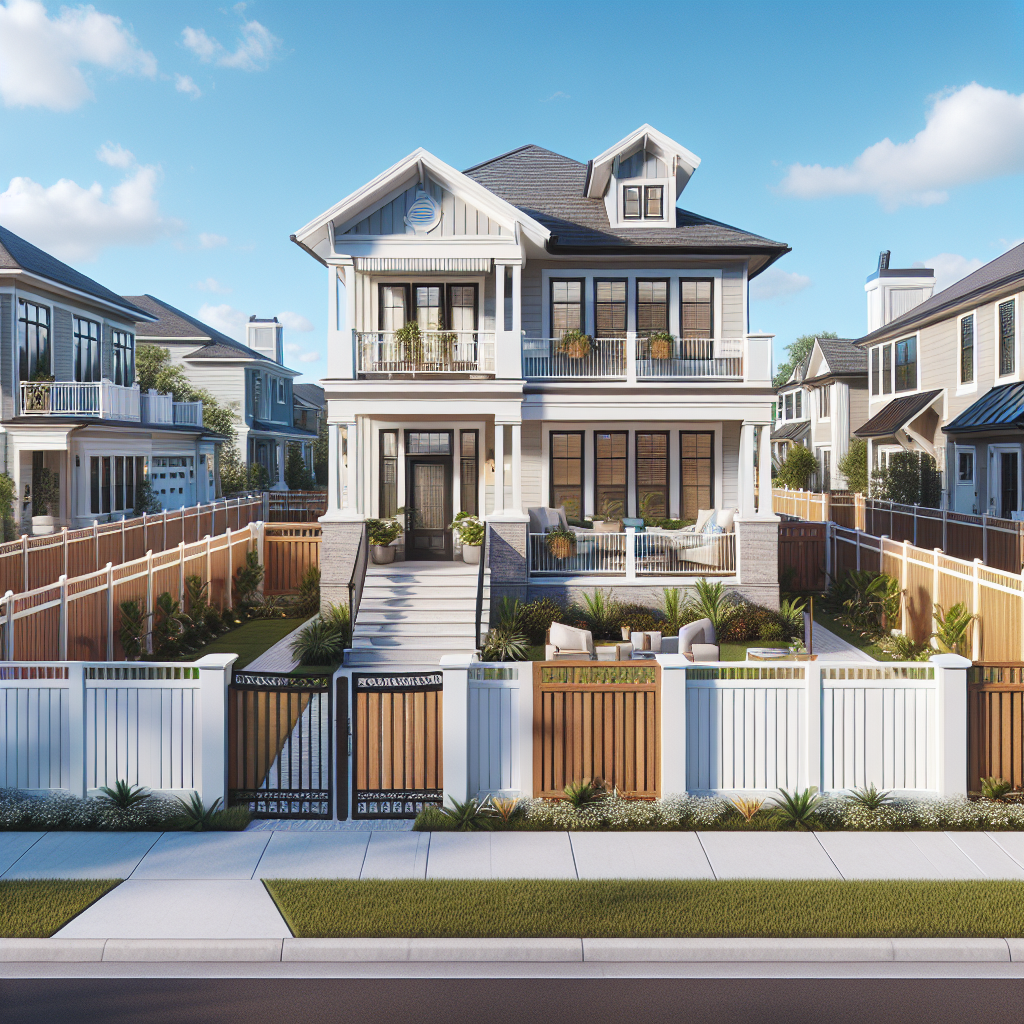
Comparing Local Fence Styles: Which One Best Suits Your Property?
Evaluating Local Climate Impacts on Fence Durability
Did you know that nearly 30% of fences need significant repairs or replacements due to climate-related wear and tear? That's a staggering number, especially if you've invested in a beautiful fence to enhance your property.
Let’s talk specifics: if you live in Tampa, the humidity can be relentless. Wooden fences, while charming, may warp or rot faster than you can say fence post. On the other hand, vinyl fences might just laugh at humidity but can become brittle under the scorching sun. It’s like choosing between a cozy sweater and a sunhat—both have their merits, but the wrong choice could leave you feeling exposed.
The Role of Humidity
In humid climates like Tampa's, moisture is both a friend and foe. It keeps plants lush but can wreak havoc on wooden structures. Pressure-treated wood can help resist rot, but it’s not invincible. If you’re considering fences near me, think about how often your fence will face those steamy summer days.
Tip: Look for wood species known for their durability—like cedar or redwood—if you're leaning toward a wooden fence.
Sun Exposure Matters
But wait! What about the sun? Yes, that blazing ball of fire in the sky deserves some attention too. Vinyl fences are resistant to fading and don’t require painting every few years, making them an attractive option in sunny areas. However, they can become uncomfortably hot during peak summer months—so if you have pets that love to lounge outdoors, keep that in mind!
| Fence Material | Humidity Resistance | Sun Resistance |
|---|---|---|
| Wood (Cedar/Redwood) | Moderate (needs treatment) | Moderate (can fade) |
| Vinyl | High (mold resistant) | Very High (fade resistant) |
| Chain Link | Low (rust potential) | High (no fading) |
Finally, don’t forget about seasonal changes! In Florida, it’s not just about heat; heavy rains can lead to soil erosion around your fence posts. A little proactive maintenance goes a long way—think about installing gravel at the base of wooden posts or opting for concrete footings.
Ultimately, evaluating local climate impacts on your fence's durability isn't just smart; it's essential. With the right information and materials tailored to Tampa's unique weather patterns, you'll ensure your investment stands tall against nature's whims.
Did you know that nearly 30% of fences need significant repairs or replacements due to climate-related wear and tear? That's a staggering number, especially if you've invested in a beautiful fence to enhance your property.
Let’s talk specifics: if you live in Tampa, the humidity can be relentless. Wooden fences, while charming, may warp or rot faster than you can say fence post. On the other hand, vinyl fences might just laugh at humidity but can become brittle under the scorching sun. It’s like choosing between a cozy sweater and a sunhat—both have their merits, but the wrong choice could leave you feeling exposed.
The Role of Humidity
In humid climates like Tampa's, moisture is both a friend and foe. It keeps plants lush but can wreak havoc on wooden structures. Pressure-treated wood can help resist rot, but it’s not invincible. If you’re considering fences near me, think about how often your fence will face those steamy summer days.
Tip: Look for wood species known for their durability—like cedar or redwood—if you're leaning toward a wooden fence.
Sun Exposure Matters
But wait! What about the sun? Yes, that blazing ball of fire in the sky deserves some attention too. Vinyl fences are resistant to fading and don’t require painting every few years, making them an attractive option in sunny areas. However, they can become uncomfortably hot during peak summer months—so if you have pets that love to lounge outdoors, keep that in mind!
| Fence Material | Humidity Resistance | Sun Resistance |
|---|---|---|
| Wood (Cedar/Redwood) | Moderate (needs treatment) | Moderate (can fade) |
| Vinyl | High (mold resistant) | Very High (fade resistant) |
| Chain Link | Low (rust potential) | High (no fading) |
Finally, don’t forget about seasonal changes! In Florida, it’s not just about heat; heavy rains can lead to soil erosion around your fence posts. A little proactive maintenance goes a long way—think about installing gravel at the base of wooden posts or opting for concrete footings.
Ultimately, evaluating local climate impacts on your fence's durability isn't just smart; it's essential. With the right information and materials tailored to Tampa's unique weather patterns, you'll ensure your investment stands tall against nature's whims.
Material Comparisons: Wood, Vinyl, Aluminum, and Chain Link
Let’s get real: choosing the right fence material can feel like picking a favorite child—impossible! But here’s the kicker: your choice can make or break your outdoor vibe. Did you know that wooden fences can last anywhere from 5 to 20 years depending on maintenance? Meanwhile, vinyl could outlast you with a lifespan of up to 30 years. That’s right; if you’re looking for fences near me, knowing your materials is key.
Wood Fences: The Classic Charm
Wooden fences are like that friend who shows up at every party—always reliable but needs a little TLC. They bring warmth and character to any property. However, in humid climates like Tampa, they can warp or rot faster than you can say fence post if not treated properly. Pressure-treated options or naturally durable woods like cedar and redwood are your best bets here.
Important note: Regular maintenance is crucial for longevity!
Vinyl Fences: The Low-Maintenance Superstar
Set it and forget it could be the motto for vinyl fences. They resist fading from sun exposure and are mold-resistant—perfect for those steamy Florida summers! However, they do have their downsides; they can become brittle in extreme cold (not that we see much of that in Tampa). Plus, if you’re a fan of natural aesthetics, vinyl might feel a bit too artificial for your taste.
Aluminum Fences: The Elegant Option
Fancy but functional describes aluminum fences perfectly. They offer an elegant look without the hefty maintenance of wood or vinyl. Rust-resistant and lightweight, they're great for security without sacrificing style. However, they might not provide the same level of privacy as solid wood or vinyl options.
Chain Link Fences: The Budget-Friendly Choice
Practicality meets affordability is the name of the game with chain link fences. They’re low-cost and easy to install but lack aesthetic appeal compared to other materials. Plus, while they hold up well against sun exposure, be wary of rust in humid conditions unless you opt for galvanized versions.
| Fence Material | $ Cost | % Maintenance | % Privacy | % Durability |
|---|---|---|---|---|
| Wood | $$ | 60 | 80 | 70 |
| Vinyl | $$$ | 20 | 90 | 90 |
| Aluminum | $$$$ | 30 | 70 | 85 |
| Chain Link | $ | 10 | 50 | 75 |
Ultimately, selecting the right fence material isn’t just about looks; it’s about understanding how each option will perform in your specific environment. So before you jump into buying those posts and panels from local suppliers or searching for fences near me online—take a moment to weigh these factors carefully.
Let’s get real: choosing the right fence material can feel like picking a favorite child—impossible! But here’s the kicker: your choice can make or break your outdoor vibe. Did you know that wooden fences can last anywhere from 5 to 20 years depending on maintenance? Meanwhile, vinyl could outlast you with a lifespan of up to 30 years. That’s right; if you’re looking for fences near me, knowing your materials is key.
Wood Fences: The Classic Charm
Wooden fences are like that friend who shows up at every party—always reliable but needs a little TLC. They bring warmth and character to any property. However, in humid climates like Tampa, they can warp or rot faster than you can say fence post if not treated properly. Pressure-treated options or naturally durable woods like cedar and redwood are your best bets here.
Important note: Regular maintenance is crucial for longevity!
Vinyl Fences: The Low-Maintenance Superstar
Set it and forget it could be the motto for vinyl fences. They resist fading from sun exposure and are mold-resistant—perfect for those steamy Florida summers! However, they do have their downsides; they can become brittle in extreme cold (not that we see much of that in Tampa). Plus, if you’re a fan of natural aesthetics, vinyl might feel a bit too artificial for your taste.
Aluminum Fences: The Elegant Option
Fancy but functional describes aluminum fences perfectly. They offer an elegant look without the hefty maintenance of wood or vinyl. Rust-resistant and lightweight, they're great for security without sacrificing style. However, they might not provide the same level of privacy as solid wood or vinyl options.
Chain Link Fences: The Budget-Friendly Choice
Practicality meets affordability is the name of the game with chain link fences. They’re low-cost and easy to install but lack aesthetic appeal compared to other materials. Plus, while they hold up well against sun exposure, be wary of rust in humid conditions unless you opt for galvanized versions.
| Fence Material | $ Cost | % Maintenance | % Privacy | % Durability |
|---|---|---|---|---|
| Wood | $$ | 60 | 80 | 70 |
| Vinyl | $$$ | 20 | 90 | 90 |
| Aluminum | $$$$ | 30 | 70 | 85 |
| Chain Link | $ | 10 | 50 | 75 |
Ultimately, selecting the right fence material isn’t just about looks; it’s about understanding how each option will perform in your specific environment. So before you jump into buying those posts and panels from local suppliers or searching for fences near me online—take a moment to weigh these factors carefully.
Design Trends in Local Fencing: Aesthetic and Functional Considerations
When it comes to fences near me, the latest trends are all about striking that perfect balance between beauty and practicality. Imagine a fence that not only keeps the neighbors' prying eyes at bay but also enhances your property’s curb appeal. Sounds dreamy, right? Well, it’s happening!
A recent survey found that nearly 60% of homeowners consider aesthetics a top priority when choosing fencing materials. With options ranging from sleek modern designs to rustic wooden finishes, the right fence can transform your outdoor space into a personal oasis—or at least keep the dog from making a break for it.
The Rise of Eco-Friendly Materials
Sustainability is more than just a buzzword—it's becoming an essential part of fencing decisions. Eco-friendly materials like bamboo and recycled composites are gaining traction as homeowners look for ways to reduce their carbon footprint. These materials not only look great but also stand up to the elements without contributing to landfill waste.
Important note: Choosing eco-friendly materials can enhance your property’s value while being kind to Mother Earth!
Smart Technology Integration
In this age of tech-savvy living, why should fences be left out? Smart fencing solutions are popping up everywhere, featuring integrated security systems and automated gates. Imagine being able to control who enters your yard with just a tap on your smartphone—no more unexpected visits from the neighbor's cat!
- Automated gates for convenience and security.
- Motion sensors that alert you of movement.
- Remote access for guests or deliveries.
Color and Texture Trends
Boring is officially out! Homeowners are embracing bold colors and unique textures in their fencing choices. From deep blues and greens to eye-catching patterns, these vibrant options allow you to express your personality while maintaining functionality.
When it comes to fences near me, the latest trends are all about striking that perfect balance between beauty and practicality. Imagine a fence that not only keeps the neighbors' prying eyes at bay but also enhances your property’s curb appeal. Sounds dreamy, right? Well, it’s happening!
A recent survey found that nearly 60% of homeowners consider aesthetics a top priority when choosing fencing materials. With options ranging from sleek modern designs to rustic wooden finishes, the right fence can transform your outdoor space into a personal oasis—or at least keep the dog from making a break for it.
The Rise of Eco-Friendly Materials
Sustainability is more than just a buzzword—it's becoming an essential part of fencing decisions. Eco-friendly materials like bamboo and recycled composites are gaining traction as homeowners look for ways to reduce their carbon footprint. These materials not only look great but also stand up to the elements without contributing to landfill waste.
Important note: Choosing eco-friendly materials can enhance your property’s value while being kind to Mother Earth!
Smart Technology Integration
In this age of tech-savvy living, why should fences be left out? Smart fencing solutions are popping up everywhere, featuring integrated security systems and automated gates. Imagine being able to control who enters your yard with just a tap on your smartphone—no more unexpected visits from the neighbor's cat!
- Automated gates for convenience and security.
- Motion sensors that alert you of movement.
- Remote access for guests or deliveries.
Color and Texture Trends
Boring is officially out! Homeowners are embracing bold colors and unique textures in their fencing choices. From deep blues and greens to eye-catching patterns, these vibrant options allow you to express your personality while maintaining functionality.
Local Regulations and HOA Guidelines Affecting Fence Choices
You might think choosing a fence is as simple as picking your favorite color and style, but hold on! Did you know that over 40% of homeowners face issues with local regulations or HOA guidelines when installing fences? That's right—what looks good on Pinterest might not fly in your neighborhood.
Imagine this: you’ve just picked out a stunning white picket fence to complement your charming Tampa bungalow. You’re picturing Sunday barbecues and kids playing in the yard, but then your neighbor casually mentions that the HOA has strict height regulations. Suddenly, that picturesque vision crumbles faster than a poorly built fence in a hurricane.
Understanding Local Regulations
Local ordinances can be a maze of rules governing everything from fence height to materials used. In Tampa, for example, many areas have specific codes to ensure safety and aesthetics. If you're thinking about fences near me, it’s crucial to check with your local zoning office before making any decisions. You wouldn’t want to invest in a beautiful wood fence only to find out it needs to be torn down because it exceeds the height limit!
Pro Tip: Always consult local regulations before purchasing materials or starting installation.
Navigating HOA Guidelines
Homeowners' Associations (HOAs) often have their own set of rules that can be even more restrictive than local laws. These guidelines can dictate everything from the color of your fence to how far back it must be set from the property line. For instance, if you live in a community known for its uniformity, expect strict adherence to approved styles and colors.
- Check if your community has an architectural review board.
- Review the HOA's design guidelines for fencing.
- Consider submitting your plans for approval before buying materials.
But why should I care? you ask. Well, failing to comply with HOA guidelines could lead to fines or worse—having to remove your new fence altogether! And let’s face it—no one wants that kind of hassle after spending time and money on what was supposed to be an exciting home improvement project.
You might think choosing a fence is as simple as picking your favorite color and style, but hold on! Did you know that over 40% of homeowners face issues with local regulations or HOA guidelines when installing fences? That's right—what looks good on Pinterest might not fly in your neighborhood.
Imagine this: you’ve just picked out a stunning white picket fence to complement your charming Tampa bungalow. You’re picturing Sunday barbecues and kids playing in the yard, but then your neighbor casually mentions that the HOA has strict height regulations. Suddenly, that picturesque vision crumbles faster than a poorly built fence in a hurricane.
Understanding Local Regulations
Local ordinances can be a maze of rules governing everything from fence height to materials used. In Tampa, for example, many areas have specific codes to ensure safety and aesthetics. If you're thinking about fences near me, it’s crucial to check with your local zoning office before making any decisions. You wouldn’t want to invest in a beautiful wood fence only to find out it needs to be torn down because it exceeds the height limit!
Pro Tip: Always consult local regulations before purchasing materials or starting installation.
Navigating HOA Guidelines
Homeowners' Associations (HOAs) often have their own set of rules that can be even more restrictive than local laws. These guidelines can dictate everything from the color of your fence to how far back it must be set from the property line. For instance, if you live in a community known for its uniformity, expect strict adherence to approved styles and colors.
- Check if your community has an architectural review board.
- Review the HOA's design guidelines for fencing.
- Consider submitting your plans for approval before buying materials.
But why should I care? you ask. Well, failing to comply with HOA guidelines could lead to fines or worse—having to remove your new fence altogether! And let’s face it—no one wants that kind of hassle after spending time and money on what was supposed to be an exciting home improvement project.
Budgeting for Your Fencing Project: Costs Beyond Installation
Think installing a fence is just about the price tag on the materials and labor? Think again! The hidden costs of fencing can sneak up on you faster than a raccoon in your trash can. From permits to maintenance, budgeting for your fencing project requires a little more finesse than simply adding up the initial expenses.
Permits and Regulations
Before you even think about digging post holes, check if your local regulations require permits. In many areas, including Tampa, failing to secure a permit can lead to fines or even having to remove your newly installed fence. Those costs can quickly surpass what you would have spent on the permit itself!
Tip: Always budget for permit fees—typically ranging from to 0 depending on your location.
Maintenance Costs
Once your fence is up, it’s not just set-and-forget. Regular maintenance is essential to keep it looking sharp and lasting long. Wooden fences often require staining or sealing every few years, while vinyl fences might need occasional cleaning to prevent mold buildup. If you’re considering fences near me that are low-maintenance, vinyl or aluminum might save you some future headaches.
- 0 – 0 annually for wood treatment.
- – 0 every few years for vinyl cleaning supplies.
Budgeting for Your Fencing Project: Costs Beyond Installation
if you go with aluminum (just rinse occasionally!)
Repair Costs
A fence is only as strong as its weakest link—and that link might be more expensive than you think! Whether it’s storm damage or wear and tear from the elements, having a budget for repairs is crucial. For example, if a section of your wooden fence rots out due to moisture exposure, replacing that section could cost anywhere from 0 to 0 depending on size and material.
Pro Tip: Consider investing in higher-quality materials upfront; they may save you money in repairs down the line.
The Hidden Extras
Don’t forget about those sneaky extras that can add up when budgeting for fences near me! Things like landscaping adjustments after installation (think soil erosion or replanting), gates (which can double the cost of installation), and even decorative elements like post caps or lighting should all be factored into your overall fencing budget.
- Landscaping adjustments: 0 – 0.
- Gates: Can range from 0 – ,000 depending on style.
- Decorative elements: Anywhere from – 0 each.
In summary, while the initial costs of installing a fence are important—don’t let them be the only thing you consider! With proper planning and budgeting for all potential expenses, you'll ensure that your investment stands tall without any nasty surprises lurking around the corner.
Think installing a fence is just about the price tag on the materials and labor? Think again! The hidden costs of fencing can sneak up on you faster than a raccoon in your trash can. From permits to maintenance, budgeting for your fencing project requires a little more finesse than simply adding up the initial expenses.
Permits and Regulations
Before you even think about digging post holes, check if your local regulations require permits. In many areas, including Tampa, failing to secure a permit can lead to fines or even having to remove your newly installed fence. Those costs can quickly surpass what you would have spent on the permit itself!
Tip: Always budget for permit fees—typically ranging from $50 to $200 depending on your location.
Maintenance Costs
Once your fence is up, it’s not just set-and-forget. Regular maintenance is essential to keep it looking sharp and lasting long. Wooden fences often require staining or sealing every few years, while vinyl fences might need occasional cleaning to prevent mold buildup. If you’re considering fences near me that are low-maintenance, vinyl or aluminum might save you some future headaches.
- $100 – $300 annually for wood treatment.
- $50 – $100 every few years for vinyl cleaning supplies.
- $0 if you go with aluminum (just rinse occasionally!)
Repair Costs
A fence is only as strong as its weakest link—and that link might be more expensive than you think! Whether it’s storm damage or wear and tear from the elements, having a budget for repairs is crucial. For example, if a section of your wooden fence rots out due to moisture exposure, replacing that section could cost anywhere from $200 to $500 depending on size and material.
Pro Tip: Consider investing in higher-quality materials upfront; they may save you money in repairs down the line.
The Hidden Extras
Don’t forget about those sneaky extras that can add up when budgeting for fences near me! Things like landscaping adjustments after installation (think soil erosion or replanting), gates (which can double the cost of installation), and even decorative elements like post caps or lighting should all be factored into your overall fencing budget.
- Landscaping adjustments: $100 – $500.
- Gates: Can range from $200 – $1,000 depending on style.
- Decorative elements: Anywhere from $20 – $200 each.
In summary, while the initial costs of installing a fence are important—don’t let them be the only thing you consider! With proper planning and budgeting for all potential expenses, you'll ensure that your investment stands tall without any nasty surprises lurking around the corner.
Sustainability Considerations in Fence Selection
When it comes to choosing fences near me, sustainability isn’t just a trendy buzzword—it's a necessity. With over 70% of consumers willing to pay more for eco-friendly products, your fence choice can speak volumes about your values and commitment to the planet.
Imagine this: you’re standing in your backyard, eyeing a gorgeous new fence that not only enhances your property but also reduces your carbon footprint. Sounds great, right? But how do you ensure that your fencing material aligns with those green aspirations?
Material Matters
The materials you choose play a pivotal role in the sustainability of your fence. Traditional options like pressure-treated wood can be harmful due to chemical treatments that leach into the soil. Instead, consider alternatives such as reclaimed wood or bamboo. These materials are not only renewable but also add a unique aesthetic touch to your outdoor space.
Tip: Look for certifications like FSC (Forest Stewardship Council) when selecting wood products to ensure they come from responsibly managed forests.
The Lifecycle Impact
Think beyond just installation—consider the entire lifecycle of the materials. For example, vinyl fences are low-maintenance and durable but are made from non-renewable resources. While they might last longer than wood, they will eventually end up in a landfill. On the other hand, composite fences made from recycled materials offer a balance of durability and eco-friendliness, often lasting decades without extensive upkeep.
- Bamboo: Fast-growing and renewable.
- Reclaimed Wood: Reduces waste by repurposing old materials.
- Composite Fencing: Made from recycled plastics and wood fibers.
Local Sourcing Benefits
[…] one of the best ways to reduce your environmental impact is by sourcing materials locally. This not only supports local businesses but also cuts down on transportation emissions associated with shipping materials over long distances.
In conclusion, when considering fences near me, think about how each choice reflects not just personal style but also environmental responsibility. The right fence can be both beautiful and sustainable—making Mother Earth proud while keeping your property looking sharp!
When it comes to choosing fences near me, sustainability isn’t just a trendy buzzword—it's a necessity. With over 70% of consumers willing to pay more for eco-friendly products, your fence choice can speak volumes about your values and commitment to the planet.
Imagine this: you’re standing in your backyard, eyeing a gorgeous new fence that not only enhances your property but also reduces your carbon footprint. Sounds great, right? But how do you ensure that your fencing material aligns with those green aspirations?
Material Matters
The materials you choose play a pivotal role in the sustainability of your fence. Traditional options like pressure-treated wood can be harmful due to chemical treatments that leach into the soil. Instead, consider alternatives such as reclaimed wood or bamboo. These materials are not only renewable but also add a unique aesthetic touch to your outdoor space.
Tip: Look for certifications like FSC (Forest Stewardship Council) when selecting wood products to ensure they come from responsibly managed forests.
The Lifecycle Impact
Think beyond just installation—consider the entire lifecycle of the materials. For example, vinyl fences are low-maintenance and durable but are made from non-renewable resources. While they might last longer than wood, they will eventually end up in a landfill. On the other hand, composite fences made from recycled materials offer a balance of durability and eco-friendliness, often lasting decades without extensive upkeep.
- Bamboo: Fast-growing and renewable.
- Reclaimed Wood: Reduces waste by repurposing old materials.
- Composite Fencing: Made from recycled plastics and wood fibers.
Local Sourcing Benefits
[…] one of the best ways to reduce your environmental impact is by sourcing materials locally. This not only supports local businesses but also cuts down on transportation emissions associated with shipping materials over long distances.
In conclusion, when considering fences near me, think about how each choice reflects not just personal style but also environmental responsibility. The right fence can be both beautiful and sustainable—making Mother Earth proud while keeping your property looking sharp!
Installation Methods: DIY vs. Professional Services
Picture this: you’re all set to install your new fence, armed with a YouTube tutorial and a determination that rivals a contestant on a home improvement show. But as you stand there, hammer in hand, you realize that the only thing you’ve successfully built is a tower of frustration. Sound familiar?
The reality is, while DIY projects can be rewarding, they often come with unexpected challenges—especially when it comes to installing fences near me. A recent survey found that nearly 50% of homeowners who attempted DIY fencing projects ended up hiring professionals to fix their mistakes! So, let’s break down the pros and cons of going the DIY route versus calling in the experts.
DIY Installation: The Allure and the Pitfalls
Going the DIY route can feel like a badge of honor. You save money, gain hands-on experience, and can boast about your accomplishments at neighborhood BBQs. However, it’s crucial to be honest with yourself about your skill level. Are you comfortable digging post holes? Do you have the tools required? If your answer is kinda or I think so, then it might be time for some self-reflection.
- Cost savings: Avoiding labor costs can make fencing more affordable.
- Personal satisfaction: There’s a unique joy in building something with your own hands.
- Flexibility: You can work on your own schedule without waiting for contractors.
But wait, you might say. What about the downsides? Well, here are some potential pitfalls:
- Oops moments: Mistakes can lead to costly repairs down the line.
- Where did I put my tools? syndrome: Misplacing equipment can slow down progress.
- I thought this was supposed to be easy: Underestimating the time commitment.
Professional Installation: The Smart Choice?
Alright, you say, maybe I should just hire professionals. Good call! With experienced fence installers, you’re not just paying for labor; you’re investing in peace of mind. They know local regulations (which can vary significantly), have access to better materials at wholesale prices, and most importantly—they get it done right the first time!
- $$ Cost: Yes, hiring pros costs more upfront but think long-term savings!
- $$ Time-efficient: They’ll finish your project faster than a DIYer could say measure twice.
- $$ Expertise: Professionals are trained to handle unexpected challenges like tricky terrain or local codes.
Key takeaway: While DIY might seem tempting for those who love a challenge, don’t underestimate the value of hiring experienced professionals when it comes to installing fences near me.
Ultimately, whether you're wielding a shovel or handing over cash for expertise depends on your budget and confidence level. If you're leaning towards DIY but feeling unsure—maybe start small! Try building a garden trellis before tackling an entire fence. Or better yet, gather some friends for moral support (and extra hands). Whichever path you choose, just remember that quality fencing is an investment that pays off in security and peace of mind.
Picture this: you’re all set to install your new fence, armed with a YouTube tutorial and a determination that rivals a contestant on a home improvement show. But as you stand there, hammer in hand, you realize that the only thing you’ve successfully built is a tower of frustration. Sound familiar?
The reality is, while DIY projects can be rewarding, they often come with unexpected challenges—especially when it comes to installing fences near me. A recent survey found that nearly 50% of homeowners who attempted DIY fencing projects ended up hiring professionals to fix their mistakes! So, let’s break down the pros and cons of going the DIY route versus calling in the experts.
DIY Installation: The Allure and the Pitfalls
Going the DIY route can feel like a badge of honor. You save money, gain hands-on experience, and can boast about your accomplishments at neighborhood BBQs. However, it’s crucial to be honest with yourself about your skill level. Are you comfortable digging post holes? Do you have the tools required? If your answer is kinda or I think so, then it might be time for some self-reflection.
- Cost savings: Avoiding labor costs can make fencing more affordable.
- Personal satisfaction: There’s a unique joy in building something with your own hands.
- Flexibility: You can work on your own schedule without waiting for contractors.
But wait, you might say. What about the downsides? Well, here are some potential pitfalls:
- Oops moments: Mistakes can lead to costly repairs down the line.
- Where did I put my tools? syndrome: Misplacing equipment can slow down progress.
- I thought this was supposed to be easy: Underestimating the time commitment.
Professional Installation: The Smart Choice?
Alright, you say, maybe I should just hire professionals. Good call! With experienced fence installers, you’re not just paying for labor; you’re investing in peace of mind. They know local regulations (which can vary significantly), have access to better materials at wholesale prices, and most importantly—they get it done right the first time!
- $$ Cost: Yes, hiring pros costs more upfront but think long-term savings!
- $$ Time-efficient: They’ll finish your project faster than a DIYer could say measure twice.
- $$ Expertise: Professionals are trained to handle unexpected challenges like tricky terrain or local codes.
Key takeaway: While DIY might seem tempting for those who love a challenge, don’t underestimate the value of hiring experienced professionals when it comes to installing fences near me.
Ultimately, whether you're wielding a shovel or handing over cash for expertise depends on your budget and confidence level. If you're leaning towards DIY but feeling unsure—maybe start small! Try building a garden trellis before tackling an entire fence. Or better yet, gather some friends for moral support (and extra hands). Whichever path you choose, just remember that quality fencing is an investment that pays off in security and peace of mind.
Enhancing Property Value with the Right Fence Style
A well-chosen fence can increase your property's value by up to 20%, making it one of the smartest investments you can make for your home. That's not just a statistic; it's a reality that many homeowners overlook when considering fences near me.
Let’s consider the case of a charming Tampa bungalow with a beautifully manicured lawn. The owners decided to install a classic white picket fence to enhance curb appeal and provide some security for their children and pets. Fast forward two years, and not only did their property value increase, but they also received compliments from neighbors and potential buyers alike. That’s the power of aesthetics combined with functionality!
Choosing the Right Style
When it comes to selecting a fence style, think about what vibe you want to convey. Are you going for rustic charm, modern minimalism, or perhaps a classic look? Each style brings its own flavor to your property.
- Wooden fences: Perfect for that cozy, traditional feel.
- Vinyl fences: Offer clean lines and low maintenance—ideal for modern homes.
- Aluminum fences: Provide an elegant touch while ensuring security.
- Chain link fences: Great for budget-conscious homeowners who need practicality.
Each option has its pros and cons, but remember that aesthetics matter! A well-designed fence can elevate your home’s overall appearance and make it stand out in the neighborhood.
Local Trends and Preferences
Fences are like fashion; they follow trends! In Tampa, we’re seeing an uptick in eco-friendly materials like bamboo or recycled composites. Homeowners are not only looking for durability but also ways to express their commitment to sustainability. This trend can significantly boost your property’s appeal among environmentally conscious buyers.
Investing in trendy materials can set your property apart in a competitive market.
So what should you do next? Start by researching local zoning laws and HOA guidelines regarding fencing styles in your area. Then, take some time to drive around your neighborhood and note which styles catch your eye. This way, you’ll be well-informed when it’s time to make that purchase!
A well-chosen fence can increase your property's value by up to 20%, making it one of the smartest investments you can make for your home. That's not just a statistic; it's a reality that many homeowners overlook when considering fences near me.
Let’s consider the case of a charming Tampa bungalow with a beautifully manicured lawn. The owners decided to install a classic white picket fence to enhance curb appeal and provide some security for their children and pets. Fast forward two years, and not only did their property value increase, but they also received compliments from neighbors and potential buyers alike. That’s the power of aesthetics combined with functionality!
Choosing the Right Style
When it comes to selecting a fence style, think about what vibe you want to convey. Are you going for rustic charm, modern minimalism, or perhaps a classic look? Each style brings its own flavor to your property.
- Wooden fences: Perfect for that cozy, traditional feel.
- Vinyl fences: Offer clean lines and low maintenance—ideal for modern homes.
- Aluminum fences: Provide an elegant touch while ensuring security.
- Chain link fences: Great for budget-conscious homeowners who need practicality.
Each option has its pros and cons, but remember that aesthetics matter! A well-designed fence can elevate your home’s overall appearance and make it stand out in the neighborhood.
Local Trends and Preferences
Fences are like fashion; they follow trends! In Tampa, we’re seeing an uptick in eco-friendly materials like bamboo or recycled composites. Homeowners are not only looking for durability but also ways to express their commitment to sustainability. This trend can significantly boost your property’s appeal among environmentally conscious buyers.
Investing in trendy materials can set your property apart in a competitive market.
So what should you do next? Start by researching local zoning laws and HOA guidelines regarding fencing styles in your area. Then, take some time to drive around your neighborhood and note which styles catch your eye. This way, you’ll be well-informed when it’s time to make that purchase!