
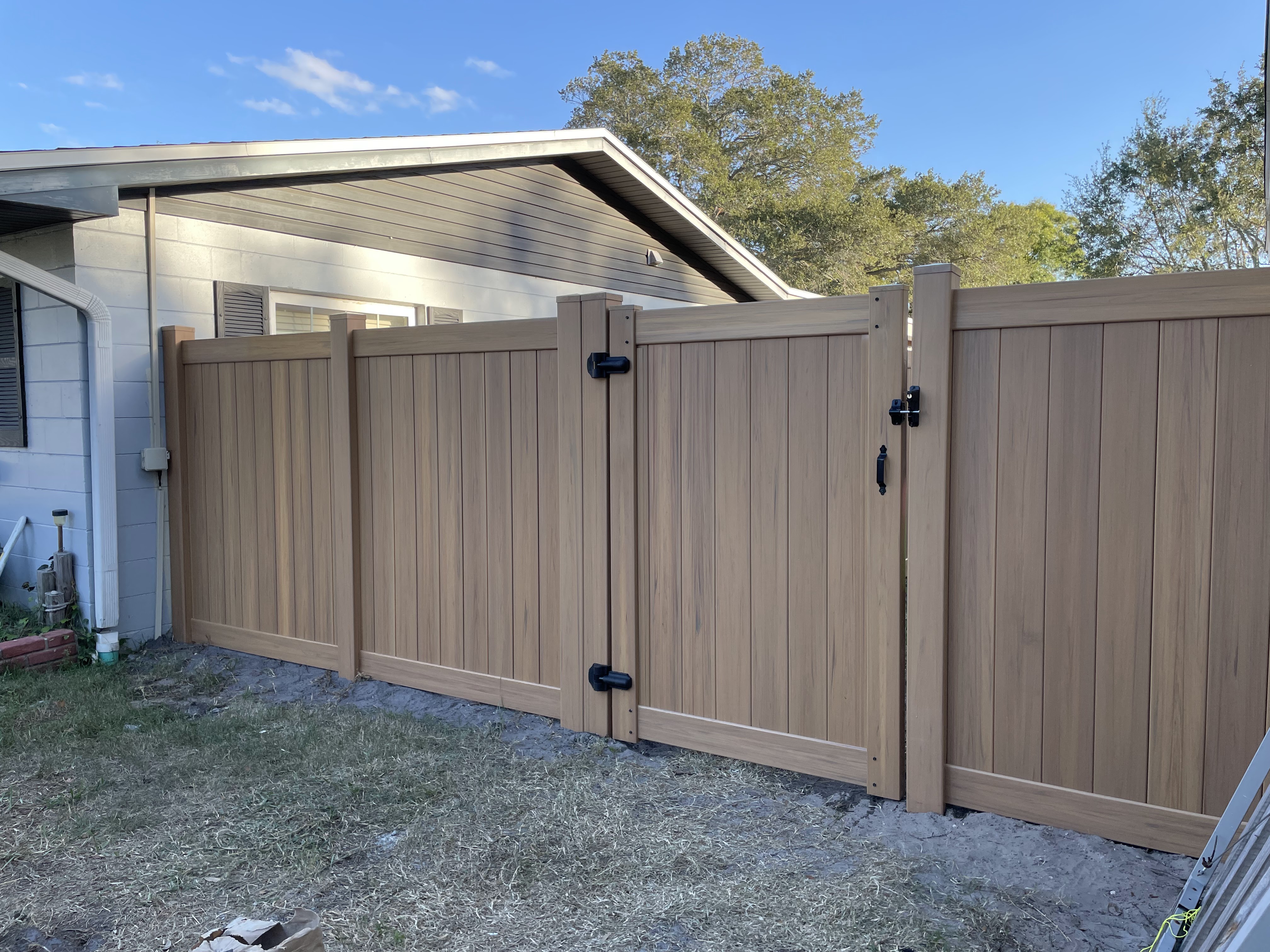
Professional Fence Installation: A Complete Guide to Types and Benefits
Overview of Fence Installation Processes
The fence installation process is critical for ensuring durability and functionality. It is best suited for property owners seeking a reliable barrier for security, aesthetics, or privacy.
However, the process is not without its challenges. Misestimating the time required or failing to account for local zoning laws can lead to complications and additional costs.
Step-by-step breakdown of the installation process
A typical fence installation begins with site assessment and planning, followed by marking the layout. Next, post holes are dug, posts are set in concrete, and panels or boards are attached. Finally, finishing touches such as gates and hardware are installed.
Tools and materials required for professional installation
Essential tools include a post hole digger, level, measuring tape, and power tools such as drills and saws. Materials vary based on fence type but generally include posts, panels, concrete mix, screws or nails.
Common challenges faced during installation and solutions
One common challenge is dealing with uneven terrain. A solution involves using adjustable posts or terracing the fence design to accommodate slopes effectively.
Proper planning can mitigate many issues during installation.
The fence installation process is critical for ensuring durability and functionality. It is best suited for property owners seeking a reliable barrier for security, aesthetics, or privacy.
However, the process is not without its challenges. Misestimating the time required or failing to account for local zoning laws can lead to complications and additional costs.
Step-by-step breakdown of the installation process
A typical fence installation begins with site assessment and planning, followed by marking the layout. Next, post holes are dug, posts are set in concrete, and panels or boards are attached. Finally, finishing touches such as gates and hardware are installed.
Tools and materials required for professional installation
Essential tools include a post hole digger, level, measuring tape, and power tools such as drills and saws. Materials vary based on fence type but generally include posts, panels, concrete mix, screws or nails.
Common challenges faced during installation and solutions
One common challenge is dealing with uneven terrain. A solution involves using adjustable posts or terracing the fence design to accommodate slopes effectively.
Proper planning can mitigate many issues during installation.
Comparative Analysis of Fence Types
Choosing the right type of fence is crucial for meeting specific needs and preferences. Each fence type offers unique advantages and drawbacks that can significantly impact both installation and long-term satisfaction.
Wood fences: pros, cons, and maintenance considerations
Wood fences are best for homeowners prioritizing aesthetics and traditional appeal. They offer a classic look that can enhance property value when properly maintained. However, wood is susceptible to rot, pests, and weather damage, which necessitates regular maintenance such as staining or sealing every few years to prolong lifespan.
A common misconception is that wood fences are low-maintenance. In reality, neglecting upkeep can lead to costly repairs or replacement sooner than expected. For instance, failing to treat a wood fence annually can result in significant deterioration within five years.
Vinyl fences: durability, aesthetics, and cost implications
Vinyl fences fit best in environments where durability and low maintenance are priorities. They resist fading, cracking, and warping better than wood, making them suitable for various climates. However, initial costs can be higher than wood or chain-link options.
An important trade-off is the limited color options compared to painted wood. While vinyl comes in various styles and colors, they cannot be easily modified post-installation without significant expense. For example, if a homeowner desires a custom color after installation, they may need to replace panels rather than simply repainting.
Metal fences: security features and long-term performance
Metal fences are ideal for those prioritizing security and longevity. They provide robust protection against intruders while requiring minimal maintenance over time. However, they may not offer the same aesthetic appeal as wood or vinyl options.
Many buyers overestimate the ability of metal fencing to blend seamlessly into residential landscapes. While they serve functional purposes well—like enclosing pools or securing commercial properties—they often require additional landscaping efforts to soften their appearance.
Choosing the right type of fence is crucial for meeting specific needs and preferences. Each fence type offers unique advantages and drawbacks that can significantly impact both installation and long-term satisfaction.
Wood fences: pros, cons, and maintenance considerations
Wood fences are best for homeowners prioritizing aesthetics and traditional appeal. They offer a classic look that can enhance property value when properly maintained. However, wood is susceptible to rot, pests, and weather damage, which necessitates regular maintenance such as staining or sealing every few years to prolong lifespan.
A common misconception is that wood fences are low-maintenance. In reality, neglecting upkeep can lead to costly repairs or replacement sooner than expected. For instance, failing to treat a wood fence annually can result in significant deterioration within five years.
Vinyl fences: durability, aesthetics, and cost implications
Vinyl fences fit best in environments where durability and low maintenance are priorities. They resist fading, cracking, and warping better than wood, making them suitable for various climates. However, initial costs can be higher than wood or chain-link options.
An important trade-off is the limited color options compared to painted wood. While vinyl comes in various styles and colors, they cannot be easily modified post-installation without significant expense. For example, if a homeowner desires a custom color after installation, they may need to replace panels rather than simply repainting.
Metal fences: security features and long-term performance
Metal fences are ideal for those prioritizing security and longevity. They provide robust protection against intruders while requiring minimal maintenance over time. However, they may not offer the same aesthetic appeal as wood or vinyl options.
Many buyers overestimate the ability of metal fencing to blend seamlessly into residential landscapes. While they serve functional purposes well—like enclosing pools or securing commercial properties—they often require additional landscaping efforts to soften their appearance.
Regulatory Considerations in Fence Installation
Understanding regulatory considerations is essential for successful fence installation. Best suited for property owners who want to avoid legal complications, these regulations can dictate the type, height, and placement of fences.
A significant limitation arises from the variability of local zoning laws. These laws can differ not only from one municipality to another but also within different neighborhoods. Ignoring these regulations can lead to fines or forced removal of non-compliant installations, which can be costly and time-consuming.
Understanding local zoning laws and regulations
Local zoning laws often specify restrictions on fence heights, materials, and even styles. For instance, some areas may prohibit solid wood fences over a certain height to maintain visibility for traffic safety. A practical workflow would involve checking with local planning departments prior to installation. This ensures compliance and saves potential headaches later.
Permits required for different types of fencing
Permitting requirements vary based on fence type and location. For example, a simple chain-link fence may not require a permit in some areas, while a taller privacy fence likely will. Homeowners should consult their local building authority to determine necessary permits before beginning any installation project.
Impact of homeowners’ associations on fence choices
Homeowners’ associations (HOAs) frequently impose additional restrictions that go beyond local zoning laws. These rules may dictate colors, styles, or even specific materials allowed for fences within the community. Misunderstanding or overlooking these HOA guidelines can lead to disputes or costly adjustments after installation.
Always verify HOA rules alongside local regulations before starting your fence project.
Understanding regulatory considerations is essential for successful fence installation. Best suited for property owners who want to avoid legal complications, these regulations can dictate the type, height, and placement of fences.
A significant limitation arises from the variability of local zoning laws. These laws can differ not only from one municipality to another but also within different neighborhoods. Ignoring these regulations can lead to fines or forced removal of non-compliant installations, which can be costly and time-consuming.
Understanding local zoning laws and regulations
Local zoning laws often specify restrictions on fence heights, materials, and even styles. For instance, some areas may prohibit solid wood fences over a certain height to maintain visibility for traffic safety. A practical workflow would involve checking with local planning departments prior to installation. This ensures compliance and saves potential headaches later.
Permits required for different types of fencing
Permitting requirements vary based on fence type and location. For example, a simple chain-link fence may not require a permit in some areas, while a taller privacy fence likely will. Homeowners should consult their local building authority to determine necessary permits before beginning any installation project.
Impact of homeowners’ associations on fence choices
Homeowners’ associations (HOAs) frequently impose additional restrictions that go beyond local zoning laws. These rules may dictate colors, styles, or even specific materials allowed for fences within the community. Misunderstanding or overlooking these HOA guidelines can lead to disputes or costly adjustments after installation.
Always verify HOA rules alongside local regulations before starting your fence project.
Cost Factors in Professional Fence Installation
Cost factors in professional fence installation are influenced by multiple variables, primarily including material selection, labor methods, and long-term maintenance considerations. Understanding these elements is essential for property owners aiming to optimize their investment.
Breakdown of material costs by fence type
Material costs can vary significantly based on the type of fencing chosen. For instance, wood fences typically range from to per linear foot depending on the species, while vinyl may start at and go up to per linear foot due to its durability and aesthetic appeal. Metal fencing options like chain-link are generally more affordable at about to per linear foot, though ornamental metal can exceed per foot. The choice of materials should align with both budget constraints and desired longevity.
Labor costs associated with different installation methods
Labor costs are another critical factor, often constituting a significant portion of the total installation price. Basic installations for wooden or chain-link fences may cost between and per linear foot for labor, while more complex projects involving vinyl or custom metal designs can push labor costs up to or more per linear foot. It’s crucial for buyers to understand that cheaper labor may lead to subpar workmanship, resulting in higher long-term costs due to repairs or replacements.
Long-term cost considerations including maintenance and repairs
Long-term expenses associated with fence installation extend beyond initial setup costs. For instance, wood fences require regular maintenance—such as staining or sealing every few years—to prevent rot and damage, which can add up significantly over time. Conversely, vinyl and metal options typically demand minimal upkeep but may incur higher upfront costs. Buyers often underestimate these ongoing expenses; neglecting maintenance can result in premature deterioration that necessitates costly repairs or replacements sooner than anticipated.
Investing in quality materials often yields better long-term financial outcomes.
Cost factors in professional fence installation are influenced by multiple variables, primarily including material selection, labor methods, and long-term maintenance considerations. Understanding these elements is essential for property owners aiming to optimize their investment.
Breakdown of material costs by fence type
Material costs can vary significantly based on the type of fencing chosen. For instance, wood fences typically range from $15 to $30 per linear foot depending on the species, while vinyl may start at $20 and go up to $40 per linear foot due to its durability and aesthetic appeal. Metal fencing options like chain-link are generally more affordable at about $10 to $20 per linear foot, though ornamental metal can exceed $50 per foot. The choice of materials should align with both budget constraints and desired longevity.
Labor costs associated with different installation methods
Labor costs are another critical factor, often constituting a significant portion of the total installation price. Basic installations for wooden or chain-link fences may cost between $5 and $15 per linear foot for labor, while more complex projects involving vinyl or custom metal designs can push labor costs up to $25 or more per linear foot. It’s crucial for buyers to understand that cheaper labor may lead to subpar workmanship, resulting in higher long-term costs due to repairs or replacements.
Long-term cost considerations including maintenance and repairs
Long-term expenses associated with fence installation extend beyond initial setup costs. For instance, wood fences require regular maintenance—such as staining or sealing every few years—to prevent rot and damage, which can add up significantly over time. Conversely, vinyl and metal options typically demand minimal upkeep but may incur higher upfront costs. Buyers often underestimate these ongoing expenses; neglecting maintenance can result in premature deterioration that necessitates costly repairs or replacements sooner than anticipated.
Investing in quality materials often yields better long-term financial outcomes.
Aesthetic Considerations in Choosing a Fence
The design of a fence significantly influences property value and curb appeal. A well-chosen fence complements the architecture of a home, making it more attractive to potential buyers. For instance, a modern home paired with a sleek aluminum or vinyl fence can enhance its contemporary appeal, while a traditional wood picket fence may suit classic styles better.
Color, texture, and style choices for various architectural themes
Selecting the right color and texture is crucial for aligning with the overall aesthetic of the property. For example, darker colors can create a bold statement against lighter homes, while natural wood tones provide warmth and blend seamlessly with landscaping. However, it’s essential to consider that some materials may require more maintenance to retain their appearance over time.
Landscaping integration with fencing for enhanced visual appeal
Integrating landscaping elements with fencing can elevate the overall visual impact of your property. Planting climbing vines or ornamental grasses along the base of a fence softens its appearance and creates a cohesive look. Yet, buyers often overlook the maintenance required for these plants; neglecting them can lead to an unkempt appearance that detracts from the fence’s intended allure.
- Choose materials that align with your home’s architectural style.
- Consider how color choices affect long-term maintenance needs.
- Incorporate landscaping strategically to enhance visual appeal.
Aesthetics should not compromise functionality; ensure your choice serves both purposes.
The design of a fence significantly influences property value and curb appeal. A well-chosen fence complements the architecture of a home, making it more attractive to potential buyers. For instance, a modern home paired with a sleek aluminum or vinyl fence can enhance its contemporary appeal, while a traditional wood picket fence may suit classic styles better.
Color, texture, and style choices for various architectural themes
Selecting the right color and texture is crucial for aligning with the overall aesthetic of the property. For example, darker colors can create a bold statement against lighter homes, while natural wood tones provide warmth and blend seamlessly with landscaping. However, it’s essential to consider that some materials may require more maintenance to retain their appearance over time.
Landscaping integration with fencing for enhanced visual appeal
Integrating landscaping elements with fencing can elevate the overall visual impact of your property. Planting climbing vines or ornamental grasses along the base of a fence softens its appearance and creates a cohesive look. Yet, buyers often overlook the maintenance required for these plants; neglecting them can lead to an unkempt appearance that detracts from the fence’s intended allure.
- Choose materials that align with your home’s architectural style.
- Consider how color choices affect long-term maintenance needs.
- Incorporate landscaping strategically to enhance visual appeal.
Aesthetics should not compromise functionality; ensure your choice serves both purposes.
Safety and Security Benefits of Fencing
Fencing is a critical component for enhancing safety and security on any property. It is best suited for homeowners or property managers who prioritize the protection of their premises, whether from intruders or wildlife.
Different fence types offer varying levels of security. For example, tall, solid wood or vinyl fences can obscure visibility into the yard, making it challenging for potential intruders to assess the property’s contents. Conversely, chain-link fences provide less privacy but can be reinforced with barbed wire or other deterrents to enhance security.
Child safety features in residential fencing options
When considering child safety, residential fencing must include specific features such as height and design. For instance, fences that are at least four feet high prevent children from easily climbing over. Additionally, designs without horizontal bars reduce the risk of children using them as footholds to scale the fence.
A practical workflow might involve a homeowner evaluating their yard’s layout and identifying areas where children play frequently. Installing a secure gate with a self-locking mechanism in these areas ensures that children cannot wander off unsupervised while still allowing easy access for adults.
Fencing as a deterrent against intruders or wildlife
Fences serve as effective deterrents not just against human intruders but also against wildlife that may threaten gardens or pets. However, relying solely on a fence can lead to complacency; many property owners overestimate its protective capabilities. For instance, while a tall wood fence may deter casual trespassers, determined individuals may still find ways to breach it.
A comprehensive security system should complement fencing for optimal protection.
Fencing is a critical component for enhancing safety and security on any property. It is best suited for homeowners or property managers who prioritize the protection of their premises, whether from intruders or wildlife.
Different fence types offer varying levels of security. For example, tall, solid wood or vinyl fences can obscure visibility into the yard, making it challenging for potential intruders to assess the property’s contents. Conversely, chain-link fences provide less privacy but can be reinforced with barbed wire or other deterrents to enhance security.
Child safety features in residential fencing options
When considering child safety, residential fencing must include specific features such as height and design. For instance, fences that are at least four feet high prevent children from easily climbing over. Additionally, designs without horizontal bars reduce the risk of children using them as footholds to scale the fence.
A practical workflow might involve a homeowner evaluating their yard’s layout and identifying areas where children play frequently. Installing a secure gate with a self-locking mechanism in these areas ensures that children cannot wander off unsupervised while still allowing easy access for adults.
Fencing as a deterrent against intruders or wildlife
Fences serve as effective deterrents not just against human intruders but also against wildlife that may threaten gardens or pets. However, relying solely on a fence can lead to complacency; many property owners overestimate its protective capabilities. For instance, while a tall wood fence may deter casual trespassers, determined individuals may still find ways to breach it.
A comprehensive security system should complement fencing for optimal protection.
Environmental Impact of Fencing Materials
The choice of fencing materials directly influences environmental sustainability and ecological health. Wood is often favored for its natural aesthetic and biodegradability, but its sourcing can lead to deforestation and habitat loss if not managed responsibly. Conversely, synthetic materials like vinyl can offer durability but are derived from petroleum products, raising concerns about their long-term environmental footprint.
Sustainability considerations in wood vs. synthetic materials
Wood fences are best suited for those who prioritize a renewable resource that can blend seamlessly into natural landscapes. However, the trade-off here includes potential ecological damage from unsustainable logging practices. On the other hand, synthetic materials like vinyl require less maintenance and last longer, yet they contribute to plastic pollution at the end of their life cycle. Homeowners must weigh these factors carefully when considering the long-term impacts of their choices.
Recyclability of metal fencing options
Metal fencing, particularly options like aluminum and steel, presents a more favorable profile regarding recyclability. These materials can be repurposed indefinitely without losing structural integrity. However, many buyers overestimate the ease of recycling metal fences post-installation; not all localities have accessible recycling programs for construction materials, which can complicate disposal efforts later on.
Impact on local ecosystems during installation
The installation process itself can disrupt local ecosystems if not executed with care. For instance, heavy machinery used during installation can compact soil and damage root systems of nearby plants, leading to erosion or loss of vegetation. A practical workflow involves conducting an environmental impact assessment before beginning work to identify sensitive areas that require protection or alternative installation methods.
Environmental considerations should be integral to your fencing material choice.
The choice of fencing materials directly influences environmental sustainability and ecological health. Wood is often favored for its natural aesthetic and biodegradability, but its sourcing can lead to deforestation and habitat loss if not managed responsibly. Conversely, synthetic materials like vinyl can offer durability but are derived from petroleum products, raising concerns about their long-term environmental footprint.
Sustainability considerations in wood vs. synthetic materials
Wood fences are best suited for those who prioritize a renewable resource that can blend seamlessly into natural landscapes. However, the trade-off here includes potential ecological damage from unsustainable logging practices. On the other hand, synthetic materials like vinyl require less maintenance and last longer, yet they contribute to plastic pollution at the end of their life cycle. Homeowners must weigh these factors carefully when considering the long-term impacts of their choices.
Recyclability of metal fencing options
Metal fencing, particularly options like aluminum and steel, presents a more favorable profile regarding recyclability. These materials can be repurposed indefinitely without losing structural integrity. However, many buyers overestimate the ease of recycling metal fences post-installation; not all localities have accessible recycling programs for construction materials, which can complicate disposal efforts later on.
Impact on local ecosystems during installation
The installation process itself can disrupt local ecosystems if not executed with care. For instance, heavy machinery used during installation can compact soil and damage root systems of nearby plants, leading to erosion or loss of vegetation. A practical workflow involves conducting an environmental impact assessment before beginning work to identify sensitive areas that require protection or alternative installation methods.
Environmental considerations should be integral to your fencing material choice.
Maintenance Requirements for Different Fence Types
Different fence types require distinct maintenance approaches, which can significantly impact their longevity and appearance. Understanding these requirements is critical for property owners aiming to maximize their investment in fence installation.
Routine maintenance tasks for wood, vinyl, and metal fences
Wood fences necessitate regular inspections for rot and insect damage, along with annual treatments like staining or sealing to protect against moisture. In contrast, vinyl fences require minimal upkeep; a simple wash with soap and water suffices to maintain their appearance. Metal fences, particularly wrought iron or aluminum, should be checked for rust or corrosion and may need repainting every few years to prevent deterioration.
Signs that indicate the need for repairs or replacement
Homeowners should be vigilant for signs of wear and tear. For wood fences, cracked boards or discoloration often signal the need for repair or replacement. Vinyl may show cracks due to extreme weather exposure, while metal fences can exhibit rust spots requiring immediate attention. Ignoring these indicators can lead to more extensive damage and higher costs down the line.
Seasonal maintenance tips to prolong fence lifespan
Seasonal maintenance is essential for extending the life of any fence type. In spring, inspect all fences after winter weather; clear debris from wood fences and check for loose panels in vinyl installations. Summer is ideal for washing vinyl and applying protective coatings on wood. In fall, trim back vegetation around the fence line to prevent moisture buildup against wooden structures. During winter, ensure snow does not accumulate against any fence type as it can cause structural stress.
Regular maintenance not only preserves aesthetics but also enhances durability.
Different fence types require distinct maintenance approaches, which can significantly impact their longevity and appearance. Understanding these requirements is critical for property owners aiming to maximize their investment in fence installation.
Routine maintenance tasks for wood, vinyl, and metal fences
Wood fences necessitate regular inspections for rot and insect damage, along with annual treatments like staining or sealing to protect against moisture. In contrast, vinyl fences require minimal upkeep; a simple wash with soap and water suffices to maintain their appearance. Metal fences, particularly wrought iron or aluminum, should be checked for rust or corrosion and may need repainting every few years to prevent deterioration.
Signs that indicate the need for repairs or replacement
Homeowners should be vigilant for signs of wear and tear. For wood fences, cracked boards or discoloration often signal the need for repair or replacement. Vinyl may show cracks due to extreme weather exposure, while metal fences can exhibit rust spots requiring immediate attention. Ignoring these indicators can lead to more extensive damage and higher costs down the line.
Seasonal maintenance tips to prolong fence lifespan
Seasonal maintenance is essential for extending the life of any fence type. In spring, inspect all fences after winter weather; clear debris from wood fences and check for loose panels in vinyl installations. Summer is ideal for washing vinyl and applying protective coatings on wood. In fall, trim back vegetation around the fence line to prevent moisture buildup against wooden structures. During winter, ensure snow does not accumulate against any fence type as it can cause structural stress.
Regular maintenance not only preserves aesthetics but also enhances durability.